


Maintaining clean upholstery is essential not only for the aesthetic appeal of your home but also for the health and comfort of your family. Over time, sofas, chairs, and other upholstered furniture can accumulate dust, dirt, and allergens, which can affect indoor air quality and trigger allergies. Regular care ensures that your furniture looks fresh, smells pleasant, and lasts longer.
Common issues with upholstery include stubborn stains from food and drinks, dirt accumulation from daily use, and unpleasant odors that can develop over time. Effective upholstery stain removal and routine fabric sofa cleaning are crucial steps to tackle these problems and keep your furniture in pristine condition.
1. Understanding Upholstery Materials
Upholstered furniture comes in a variety of materials, each with unique characteristics that influence how they should be cleaned and maintained. Common types include fabric sofas, leather couches, microfiber, and synthetic blends.
Fabric Upholstery: Fabric sofas are popular for their comfort and variety of designs. They are prone to stains and dirt accumulation, making regular fabric sofa cleaning essential. Different fabrics, such as cotton, linen, or velvet, require specific cleaning methods to avoid color fading or fiber damage.
Leather Upholstery: Leather couches are durable and luxurious but require careful maintenance. While resistant to some spills, they can develop stains or cracks if not cleaned and conditioned properly. Regular leather couch cleaning helps maintain their shine, suppleness, and longevity.
Microfiber and Synthetic Blends: These materials are often more stain-resistant and easier to clean than natural fabrics, but they still require routine care to prevent dirt buildup and maintain texture.
Understanding the material of your furniture is the first step toward choosing the right cleaning techniques, ensuring both effectiveness and the preservation of your upholstery’s appearance.
2. Common Causes of Upholstery Stains
Upholstery is constantly exposed to factors that can cause stains and dirt buildup, making regular maintenance essential for effective upholstery stain removal. Everyday spills from food, drinks, and even pets can leave noticeable marks on both fabric and leather furniture, requiring quick action and proper cleaning to prevent permanent damage.
Additionally, environmental factors such as dust, smoke, and humidity can gradually affect the appearance and cleanliness of your furniture dust settles into fibers, smoke can cause lingering odors and discoloration, and high humidity may promote mold or mildew growth, especially on fabric sofas. By understanding these common causes of stains, you can take proactive steps to protect your furniture and keep it looking fresh and clean.
3. Upholstery Stain Removal Techniques
Keeping your furniture spotless requires the right techniques and products. Effective upholstery stain removal involves understanding your material and choosing appropriate cleaning methods.
Step-by-Step Guide for Removing Stains:
- Act Quickly: The sooner you address a spill, the easier it is to remove. Blot, don’t rub, to prevent spreading the stain.
- Test Cleaning Solutions: Always test any cleaner on a hidden area to ensure it doesn’t damage or discolor your upholstery.
- Blot and Clean: Use a clean, white cloth to blot the stain. For fabric sofas, gently apply a mild detergent solution. For leather couches, use a leather-specific cleaner.
- Rinse and Dry: Remove any cleaning residues with a damp cloth, then allow the upholstery to air dry completely.
Homemade Solutions vs. Commercial Products:
Compare DIY and store-bought cleaning options to find the best solution for removing stains and protecting your upholstery.
| Type | Description |
| Homemade Solutions | Mild dish soap, vinegar, and baking soda are effective for light stains and odor removal. |
| Commercial Products | Specialized fabric sofa cleaning sprays or leather couch cleaning products provide deeper cleaning and are formulated to protect fibers and leather surfaces. |
Tips for Tackling Stubborn Stains:
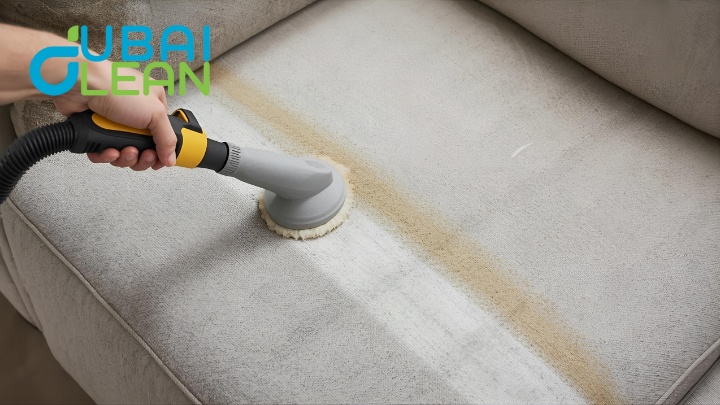
- For tough fabric stains, consider steam cleaning or using an enzyme-based cleaner.
- For leather, use a gentle conditioner after cleaning to restore moisture and prevent cracking.
- Avoid harsh chemicals or excessive water, which can damage upholstery materials.
By following these techniques, you can effectively remove stains, maintain your furniture’s appearance, and extend its lifespan.
4. Fabric Sofa Cleaning Tips
Proper care is essential to keep your fabric sofa looking fresh and extending its lifespan. Regular fabric sofa cleaning not only removes dirt and allergens but also preserves the texture and color of your upholstery.
Vacuuming and Brushing:
Start by vacuuming your sofa thoroughly to remove dust, crumbs, and pet hair. Use a soft brush attachment to reach crevices and seams without damaging the fabric. Brushing gently helps lift dirt from the fibers, preventing it from settling deeper over time.
Steam Cleaning and Safe Detergent Use:
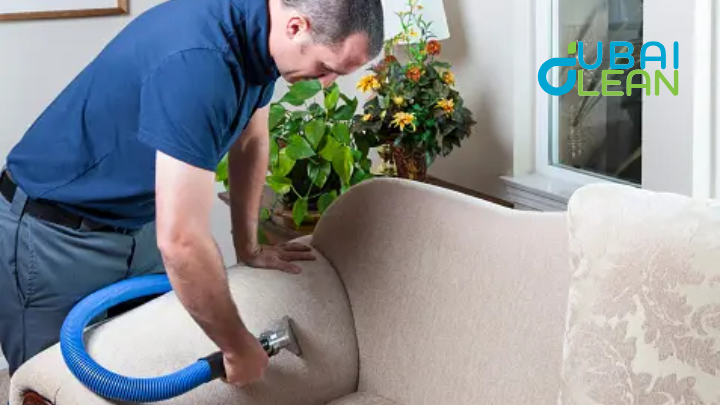
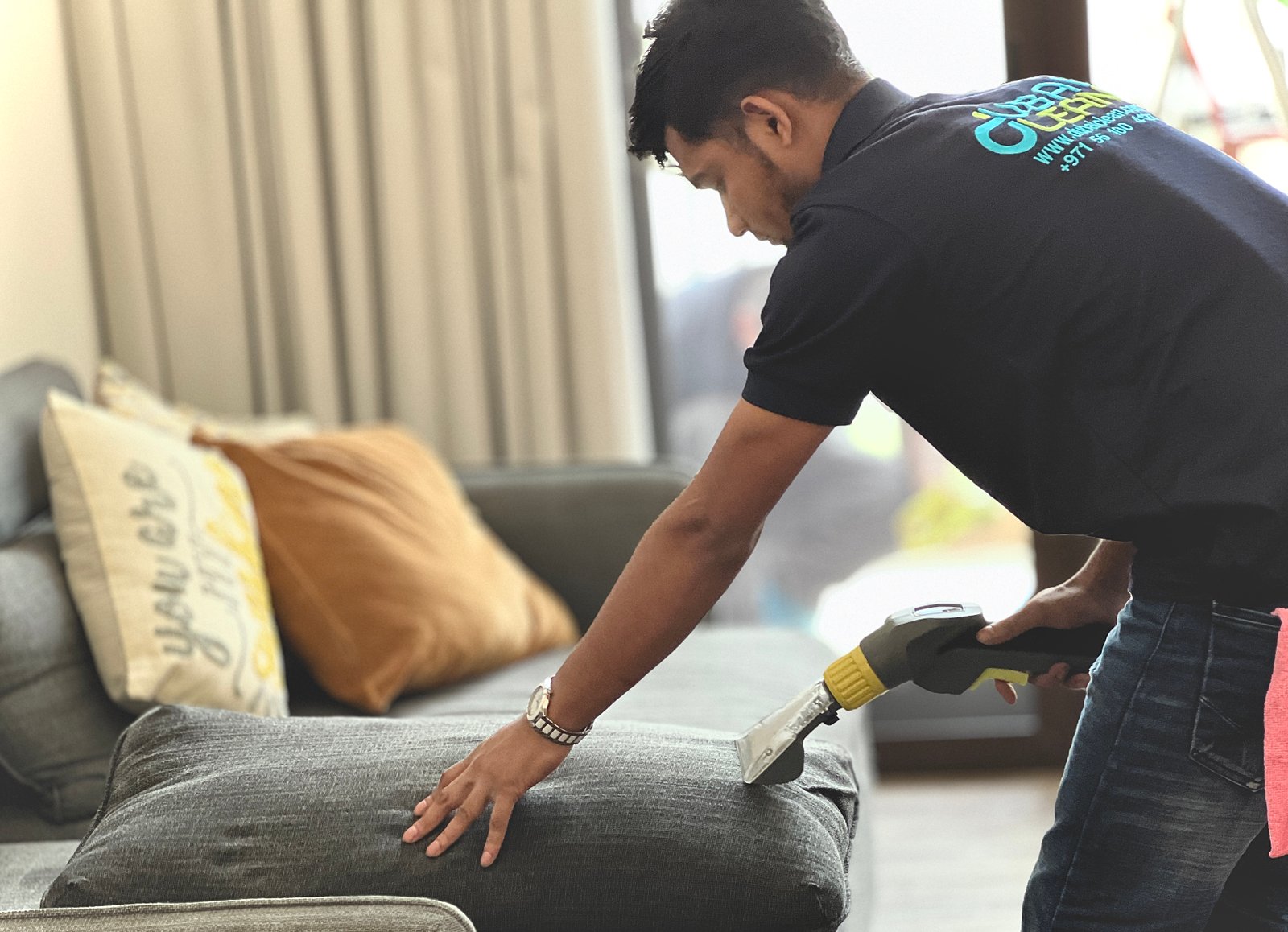
For a deeper clean, steam cleaning is highly effective. It removes embedded dirt and kills bacteria without harsh chemicals. When using detergents, choose mild, upholstery-safe solutions to avoid discoloration or fiber damage. Always follow the manufacturer’s instructions for best results.
Preventing Color Fading and Fabric Damage:
Avoid placing your sofa in direct sunlight, as UV rays can fade the fabric. Rotate cushions regularly to ensure even wear. Test any new cleaning product on a hidden area first to prevent unwanted staining or discoloration.
Regular attention and proper techniques will keep your fabric sofa clean, vibrant, and comfortable for years to come.
5. Leather Couch Cleaning and Maintenance
Leather couches add elegance and comfort to any living space, but they require special care to maintain their appearance and durability. Regular leather couch cleaning ensures your furniture remains supple, shiny, and free from stains.
Dusting and Wiping: Begin by dusting your leather couch with a soft, dry cloth to remove loose dirt and debris. For routine cleaning, use a damp cloth with a mild, leather-specific cleaner. Avoid harsh chemicals, which can strip the leather of its natural oils.
Conditioning Tips: Leather can dry out over time, leading to cracks and wear. Apply a high-quality leather conditioner every few months to keep it moisturized, soft, and resilient. Conditioning also helps maintain the couch’s natural sheen and protects against future damage.
Quick Fixes for Minor Stains: For small spills, blot immediately with a clean, dry cloth. Avoid rubbing, as this can spread the stain. For tougher stains, use a gentle leather cleaner, following instructions carefully to prevent discoloration.
Consistent maintenance and proper cleaning techniques will keep your leather couch looking luxurious and ensure it lasts for many years.
6. Stain-Resistant Upholstery Treatments
Protecting your furniture with a stain-resistant upholstery treatment is an effective way to maintain its appearance and extend its lifespan. These treatments create an invisible barrier on fabric or leather surfaces, preventing spills and dirt from penetrating the fibers.
How Treatments Protect Against Spills and Dirt: Stain-resistant coatings repel liquids and reduce the likelihood of permanent stains. This allows you to quickly wipe away spills before they set, keeping your upholstery clean and fresh.
DIY Options and Professional Applications:
- DIY Treatments: There are several home-use sprays available that provide basic protection against minor spills and dirt. They are easy to apply and can be reapplied periodically.
- Professional Applications: Professional treatments offer deeper penetration and longer-lasting protection. Experts can apply coatings that strengthen the fabric or leather while maintaining softness and breathability.
Benefits for Long-Term Furniture Care: Regularly applying a stain-resistant treatment helps prevent costly cleaning or repairs, reduces wear and tear, and keeps your furniture looking new for longer. Combined with routine cleaning, it’s a smart investment for preserving both appearance and value.
7. Preventive Care for Long-Lasting Upholstery

Maintaining the beauty and durability of your furniture requires more than occasional cleaning; implementing preventive care routines helps keep your upholstery in excellent condition for years. Regular cleaning, including vacuuming and dusting, along with periodic deep cleaning for fabric sofas and gentle wiping and conditioning for leather couches, prevents dirt buildup and reduces the need for intensive upholstery stain removal.
Using protective covers, slipcovers, and decorative throws shields your furniture from spills, pet hair, and everyday wear, especially in high-traffic areas. Additionally, avoid common mistakes such as exposing furniture to direct sunlight, sharp objects, harsh chemicals, or excessive water, which can cause damage or warping. By combining routine maintenance, protection, and careful handling, you can extend the life of your furniture and keep it looking fresh and inviting.
8. When to Call Professional Upholstery Cleaners
While regular maintenance and DIY cleaning can keep your furniture in good shape, there are times when professional upholstery stain removal and deep cleaning are necessary.
Signs Your Furniture Needs Expert Care: If stains have set in, odors persist, or fabric and leather show signs of wear that DIY methods cannot fix, it’s time to call professionals. Heavy soiling, pet damage, or post-renovation dust and debris are also indicators that expert attention is required.
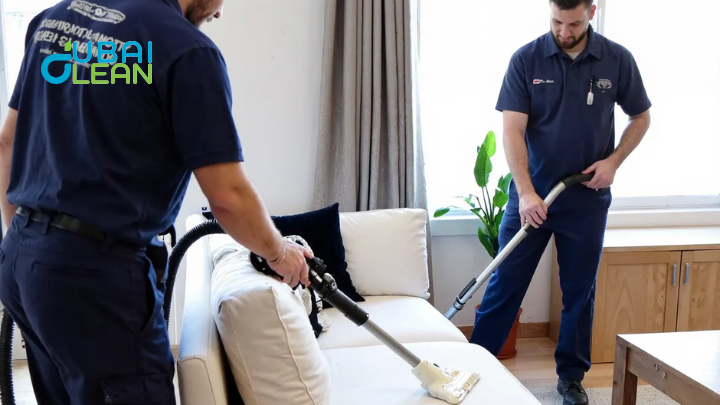
How Professional Cleaning Differs from DIY: Professionals use advanced tools, steam cleaning machines, and specialized solutions designed for different upholstery materials. Unlike DIY methods, they can reach deep layers of fabric, remove stubborn stains, and treat delicate surfaces without causing damage.
Benefits of Hiring Specialists: Hiring experts ensures that your furniture is thoroughly cleaned, sanitized, and treated for long-term protection. This is particularly valuable for high-end leather couches, delicate fabrics, or large, heavily-used sofas where improper cleaning could lead to costly damage.
By knowing when to seek professional help, you can preserve the beauty, comfort, and longevity of your upholstery with minimal risk.
9. Conclusion
Proper care of your furniture is essential for maintaining both its appearance and longevity. Regular fabric sofa cleaning, leather couch cleaning, and timely upholstery stain removal prevent dirt buildup, stains, and odors, keeping your home healthy and inviting.
Combining DIY cleaning routines with professional treatments, such as stain-resistant upholstery treatment, ensures deep cleaning, long-lasting protection, and the preservation of delicate or expensive furniture.
Don’t wait for stains or damage to take their toll ainvest in the right cleaning products or book professional upholstery cleaning services today to keep your furniture looking fresh, clean, and beautifully maintained.