


Grout is a material applied between tiles to secure them and provide a smooth, finished appearance on surfaces like floors, walls, and counters. Different types of grout serve specific purposes: floor grout for high-traffic areas, kitchen grout that resists stains and moisture, and joint filler tiles for filling gaps and protecting surfaces. Understanding the right grout type and proper maintenance helps keep your tiled surfaces strong, clean, and visually appealing for years.
1. What is Tile Grout?
Tile grout is designed to hold tiles in place while also giving the surface a neat, completed look. It plays a vital role in keeping tiles in place, preventing movement, and ensuring the surface remains smooth and even.
One of the key functions of grout is sealing tiles to protect against water penetration, stains, and mold growth. Properly applied grout prevents moisture from seeping beneath tiles, which can cause damage over time and compromise the integrity of your flooring or walls. For professional assistance, you can check grount cleaning services in Dubai to maintain your tiles effectively.
Grout comes in several materials, each suited for specific applications:
- Cement-based grout: The most common type, suitable for most residential tiling projects.
- Epoxy grout: Highly durable and resists both stains and moisture, making it ideal for use in kitchens and bathrooms
- Urethane grout: Flexible and less likely to crack, which makes it suitable for areas exposed to shifting or varying temperatures.
By understanding the different tile grout types and selecting the best grout for tiles in your space, you can ensure a durable, long-lasting finish. For anyone new to tiling, following a tile grouting guide can make the application process much easier and more efficient.
2. Floor Grout: Durability and Style
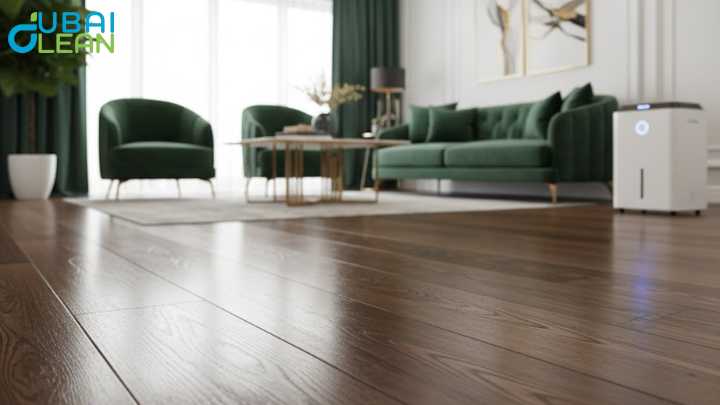
Floor grout is specifically designed to withstand heavy foot traffic, unlike wall grout, which primarily serves a decorative and sealing purpose. The main difference lies in durability and strength. Floor grout is tougher and more resilient, making it ideal for areas like living rooms, hallways, kitchens, and commercial spaces.
When choosing the best grout for floors, it’s essential to consider factors such as foot traffic, exposure to moisture, and potential stains. Cement-based grouts work well for standard areas, while epoxy or urethane grouts are better for high-traffic or moisture-prone spaces due to their superior strength and stain resistance.
Apart from functionality, floor grout also enhances the appearance of your flooring. Selecting the right color and finish can complement your tiles, create visual continuity, and even make the space look larger and cleaner.
3. Kitchen Grout: Hygiene and Practicality
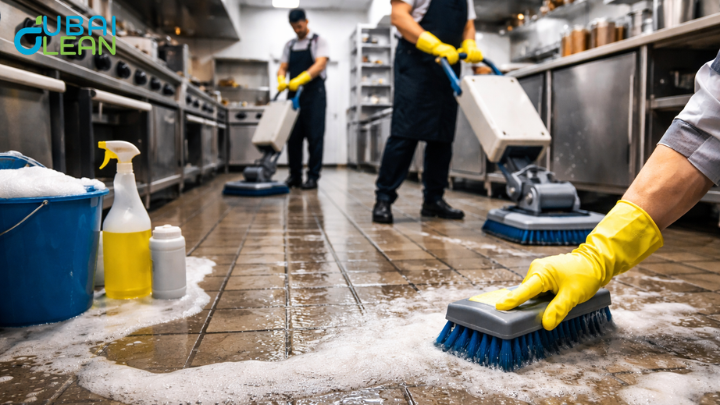
In the kitchen, tiles are constantly exposed to water, spills, grease, and food particles, making kitchen grout highly susceptible to stains, moisture, and mold. Selecting the right grout improves both the appearance and the cleanliness of spaces like kitchens. Mold-resistant grout or epoxy-based options are ideal for kitchens because they prevent bacteria and mildew buildup while withstanding frequent cleaning.
When selecting grout colors and finishes for your kitchen tiles, consider both style and practicality. Lighter colors can brighten the space but may show stains more easily, while darker tones can hide minor discoloration. Smooth finishes make cleaning easier, whereas textured finishes can add a decorative touch but require more maintenance.
Tips for keeping kitchen grout spotless:
- Wipe spills immediately to prevent staining.
- For routine cleaning, apply gentle cleaners or a simple baking soda and water mix.
- To preserve stain and water resistance, grout lines should be resealed once or twice a year
- Gently clean grout lines with a soft brush to eliminate dirt and buildup without causing damage.
By choosing the right kitchen grout and maintaining it properly, you can enjoy a clean, hygienic, and visually appealing kitchen that lasts for years.
4. Joint Filler for Tiles: Filling Gaps Efficiently
Joint filler is a specialized material used to fill gaps between tiles, similar to grout but often more flexible and durable. Unlike regular grout, joint filler is designed to accommodate slight movement between tiles, making it ideal for areas prone to expansion, contraction, or heavy use.
You should use joint filler for tiles in spaces where tiles experience movement, such as outdoor areas, large-format tile installations, or surfaces exposed to moisture. It helps prevent cracks, water seepage, and damage to the tiles over time. For practical advice and real-life examples, check out this discussion on filling gaps between tiles and walls to see tips from homeowners and experts.
Step-by-step guide for applying joint filler:
- Clean the tile joints thoroughly, removing dirt, dust, and old grout if necessary.
- Always mix the joint filler according to the manufacturer’s guidelines before application.
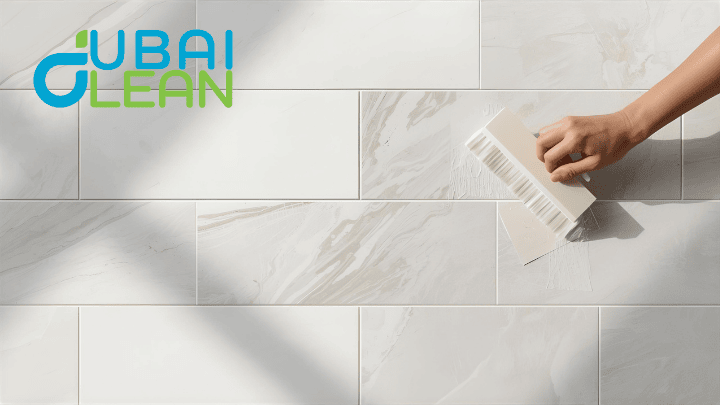
- Spread the filler consistently into tile gaps with the help of a float or spatula.
- Remove excess material from the tile surface before it dries.
- Allow the filler to cure completely, then clean the tiles with a damp sponge.
Benefits of using joint filler:
- Improved durability: Strengthens the tile installation and prevents cracking.
- Water resistance: Protects against moisture penetration, reducing mold and mildew growth.
- Enhanced aesthetics: Provides clean, smooth lines between tiles for a polished look.
Choosing the best tile joint filler ensures your tiled surfaces remain durable, water-resistant, and visually appealing for years. For smaller gaps or repairs, a high-quality tile gap filler can make maintenance quick and easy.
5. Grout Maintenance Tips
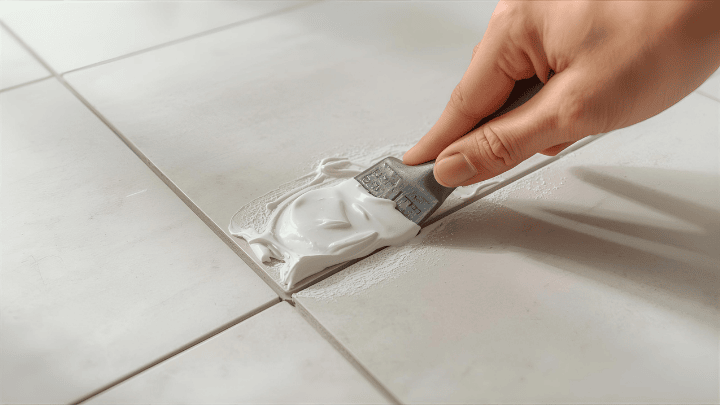
Regular upkeep of grout is necessary to maintain the fresh, clean appearance of your tiles and extend their lifespan. Regular care prevents stains, mold, and deterioration, ensuring your tiled surfaces remain both functional and attractive.
Daily and weekly cleaning routines: Maintaining clean grout starts with consistent daily and weekly care. Floors should be swept or vacuumed regularly to remove dust and debris that can accumulate in grout lines, while kitchen and bathroom tiles should be wiped daily to prevent moisture buildup and stains. In addition, mopping the floors weekly with a mild, non-abrasive cleaner helps maintain cleanliness without damaging the grout, keeping the tiled surfaces looking fresh and well-maintained.
DIY cleaning solutions for grout: For effective grout cleaning at home, simple DIY solutions can be highly effective. Combining baking soda with water is an effective way to lift surface dirt and bring back the grout’s original color. A solution of white vinegar and water can help eliminate stains and combat mildew on sealed grout. Using a soft-bristled brush allows for gentle scrubbing of grout lines, ensuring thorough cleaning without causing any damage to the grout or tiles.
When to consider regrouting or sealing tiles: Over time, grout may crack, crumble, or become heavily stained, signaling the need for regrouting. Applying a fresh layer of grout restores both the appearance and durability of tiled surfaces. Additionally, sealing grout every six to twelve months provides protection against moisture, stains, and mold growth, which is especially important in high-traffic areas that experience frequent wear. In such areas, more frequent sealing or touch-ups may be necessary to maintain the integrity and longevity of the grout.
By following these grout cleaning tips and using a proper grout sealing guide, you can extend the life of your tiles, enhance their appearance, and reduce maintenance efforts over time.
6. Common Mistakes to Avoid
When working with grout, avoiding common mistakes is essential to ensure your tiled surfaces remain durable, clean, and visually appealing.
Using the wrong type of grout for the area: Choosing grout that isn’t suited for the surface or traffic level can lead to cracking, staining, or premature wear. For example, wall grout may not withstand floor traffic, and standard cement-based grout may not resist moisture in kitchens or bathrooms.
Not sealing grout properly: Failing to seal grout leaves it vulnerable to stains, water damage, and mold growth. Applying a sealant forms a barrier that helps grout last longer while also simplifying future cleaning. For professional sealing and maintenance services, you can visit Dubai Clean to get expert assistance.
Ignoring grout discoloration or cracks: Small cracks or discoloration can quickly worsen if left unattended. Promptly addressing these issues through repair or regrouting prevents further damage and maintains both hygiene and aesthetics.
By understanding these grout mistakes and following proper tiling tips, you can ensure your tiled surfaces stay strong, clean, and beautiful for years. Fixing grout issues promptly is important to protect the strength and durability of tiled surfaces.
7. Conclusion
Choosing the right grout and maintaining it properly is essential for creating durable, visually appealing, and hygienic tiled surfaces. From floor grout that withstands heavy traffic to kitchen grout that resists stains and moisture, and joint filler tiles that fill gaps efficiently, each type serves a specific purpose to enhance both functionality and aesthetics.
By understanding the different grout types and following simple maintenance routines, you can protect your investment, prevent damage, and keep your tiles looking fresh for years.
Upgrade your tiling with the perfect grout today! Select the best grout for your space and enjoy beautiful, long-lasting results.