



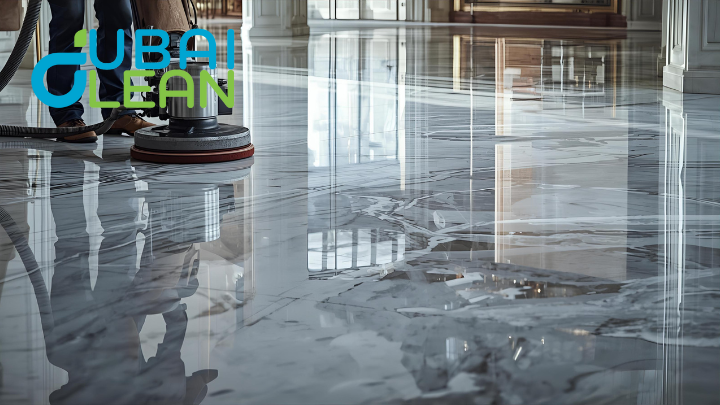
Marble used in homes, offices, or upscale commercial spaces, the way marble is polished can dramatically enhance its appearance and functionality. A well-polished surface doesn’t just elevate the aesthetic appeal it also improves durability, ease of maintenance, and resistance to everyday wear.
Polishing techniques vary, and each method brings its own unique finish. From the precision of diamond polishing to the chemical brilliance of crystallization, and from the subtle sophistication of honed marble to the striking impact of a mirror-like high-gloss shine, understanding these processes is essential for making the right choice. Knowing the differences helps property owners, designers, and facility managers select the finish that best suits their space while ensuring long-term value.
1. Understanding the Diamond Polishing Process for Marble
Marble, being a natural stone, often loses its luster over time due to foot traffic, scratches, and environmental exposure. Diamond polishing is one of the most effective methods to restore its beauty and strength. Unlike conventional polishing, this process uses industrial-grade diamond abrasives, which are harder than the stone itself, making it ideal for achieving a flawless finish.
What Diamond Polishing Is and Why It’s Preferred for Marble
Diamond polishing involves grinding and smoothing the marble surface with specialized diamond-embedded pads. This method is highly preferred because it not only restores the natural shine of marble but also enhances its durability. Unlike chemical-only treatments, diamond polishing penetrates deeper into the stone, ensuring a longer-lasting finish.
Tools and Abrasives Used in Diamond Polishing
Professionals typically use heavy-duty floor polishing machines fitted with diamond polishing pads of varying grit levels. Starting with coarser pads to remove scratches and imperfections, the process gradually transitions to finer grits for smoothness and shine. Water is often used alongside the tools to reduce dust and protect the marble surface from heat during polishing.
Step-by-Step Breakdown of the Process
- Surface Preparation: The marble floor is cleaned to remove dust, dirt, and debris.
- Grinding Stage: Coarse-grit diamond pads are used to eliminate scratches, stains, and uneven patches.
- Honing Stage: Medium-grit pads refine the surface, smoothing out imperfections while preparing it for polishing.
- Polishing Stage: Fine-grit pads enhance the stone’s natural colors and give it a silky shine.
- Buffing and Finishing: The final stage brings out a reflective, mirror-like appearance while sealing the surface for added protection.
Benefits: Durability, Natural Shine, and Restoration of Worn Marble
Diamond polishing offers several advantages. It restores the original shine of marble without altering its natural beauty, making it look brand new. The process also increases the stone’s durability, reducing the risk of future scratches and stains. Additionally, it enhances the marble’s reflective properties, giving spaces a brighter and more luxurious feel while extending the lifespan of the flooring or surface.
2. Marble Crystallization Finish: A Modern Technique
Marble crystallization is a contemporary polishing method that combines mechanical action with chemical treatment to enhance the durability and shine of marble surfaces. Unlike traditional polishing techniques that rely solely on abrasives, crystallization creates a chemical reaction on the marble’s surface, transforming it into a harder and glossier layer. This makes it a popular choice in commercial spaces and high-traffic areas where long-lasting results are essential.
Explanation of the Crystallization Process: Crystallization involves spraying a specialized chemical solution, typically containing fluorosilicate compounds, onto the marble surface. Using a steel wool pad attached to a floor buffer, the chemical is worked into the marble. The reaction between the chemical and the stone creates a new crystalline layer on the surface, enhancing both hardness and gloss.
How Chemical Agents React with Marble to Create a Hard, Glossy Layer: When the crystallization chemical is applied, it reacts with the calcium carbonate present in marble. This reaction produces calcium fluorosilicate, which bonds with the surface to form a denser and more reflective layer. The result is a high-gloss finish that not only looks stunning but also adds a protective barrier against wear.
Advantages of Crystallization: One of the key advantages of crystallization is its ability to significantly improve the durability of marble. The newly formed crystalline layer strengthens the surface, making it more resistant to scratches and everyday wear. In addition to durability, crystallization enhances stain resistance by creating a hardened barrier that prevents liquids and spills from penetrating the stone, making cleaning and maintenance much easier. Perhaps most appealing is the enhanced shine this method delivers, producing a deeper, glass-like gloss that beautifully highlights the natural patterns and colors of the marble..
Limitations and Precautions to Consider: While crystallization delivers excellent results, it comes with certain limitations. Overuse of the process can lead to a buildup of chemical layers, which may cause discoloration or an uneven appearance. It also requires professional expertise, as improper application can damage the stone. Additionally, since crystallization relies on chemicals, it may not be suitable for all types of natural stone, making a prior assessment essential.
3. Honed vs High-Gloss Marble Polish: Choosing the Right Look
The choice between a honed or high-gloss finish comes down to aesthetics, functionality, and maintenance needs. Both finishes create distinct effects, and selecting the right one depends on the space where the marble will be used.
| Aspect | Honed Marble Finish | High-Gloss Marble Finish |
| Appearance | Matte, smooth, subtle, with little to no shine | Shiny, reflective, luxurious, mirror-like look |
| Advantages | Slip-resistant, hides scratches and etching, easier to maintain | Enhances natural beauty, striking appearance, makes spaces brighter |
| Disadvantages | Colors and patterns look muted, requires periodic sealing | Prone to scratches and etching, needs frequent upkeep to maintain shine |
| Best Suited For | Bathrooms, kitchens, entryways (practical areas) | Lobbies, living rooms, hotels, luxury offices (decorative spaces) |
4. Achieving a Mirror Finish in Marble Polishing
A mirror finish is considered the pinnacle of marble polishing, giving the stone a highly reflective, glass-like surface that exudes luxury. In marble care, a mirror finish means achieving maximum clarity, brightness, and depth of color, allowing the stone’s natural veining and beauty to shine through without distraction.
What a “Mirror Finish” Means in Marble Care: A mirror finish is not simply about shine it’s about refinement. The surface is polished to the point where it reflects like a mirror, with a flawless smoothness that enhances both aesthetics and value. This type of finish is often sought after in luxury residences, hotel lobbies, and high-end commercial spaces.
Techniques to Achieve a Mirror Finish: Achieving this level of polish requires precision and professional-grade tools.
- Diamond Pads: Progressive use of diamond polishing pads, moving from coarse to ultra-fine grits, gradually smooths and perfects the surface.
- Fine Abrasives: The final polishing stages involve ultra-fine abrasives to eliminate microscopic imperfections.
- Buffing: High-speed buffing with specialized compounds brings out the deep, mirror-like reflection.
The process may also incorporate crystallization techniques for added shine and protection.
Maintenance Tips to Retain the Mirror-Like Surface
- Clean regularly with a pH-neutral cleaner designed for natural stone.
- Use soft microfiber cloths or mops to avoid scratching the surface.
- Reseal the marble periodically to prevent moisture or stain absorption.
Common Mistakes to Avoid That Can Dull the Finish
- Using acidic cleaners like vinegar or lemon, which can etch the marble.
- Allowing spills of wine, coffee, or oils to sit for long periods.
- Using abrasive pads or harsh scrubbing tools.
- Neglecting routine maintenance, which can cause the shine to fade over time.
With proper care and professional polishing techniques, a mirror finish can transform marble surfaces into statement pieces that retain their brilliance for years.
5. Comparing Marble Finishing Methods
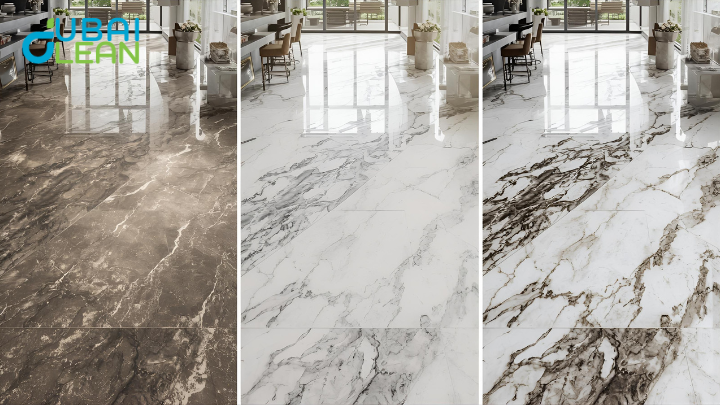
Marble finishing can be achieved through various techniques, each offering unique results in terms of appearance, durability, and cost. Diamond polishing, which relies on industrial-grade diamond abrasives, penetrates deep into the stone to deliver a natural, long-lasting shine without heavy chemical use, making it one of the most durable and authentic options. Crystallization, on the other hand, involves the use of chemical agents that react with the marble’s surface to create a hard, glossy crystalline layer, enhancing both durability and visual appeal, though it depends on chemical buildup and may need periodic re-application. Traditional methods such as waxing or basic buffing are more affordable but provide only short-term results and lack the depth of shine and strength achieved by diamond polishing or crystallization.
In terms of longevity and cost, diamond polishing has a higher upfront expense but requires less frequent re-polishing, crystallization offers moderate cost with good durability, and traditional methods are inexpensive but demand regular maintenance. For residential spaces, diamond polishing is often the best choice due to its ability to provide a natural and lasting finish, while crystallization can work well in areas with moderate use. In commercial settings, crystallization is commonly favored for high-traffic areas like hotels, offices, and malls because of its durability and glossy appearance, while diamond polishing remains ideal for luxury spaces that prioritize natural beauty and long-term investment. Traditional methods, however, are generally unsuitable for commercial environments because of their limited durability.
6. Maintenance and Care After Polishing
Once marble has been polished, whether through diamond polishing, crystallization, or other methods, proper care is essential to maintain its beauty and durability. A well-maintained marble surface not only preserves its shine but also prevents costly repairs or early refinishing.
Daily Cleaning Practices to Preserve Shine: Regular cleaning is the foundation of marble care. Dust and dirt should be removed daily with a soft microfiber cloth or mop to avoid scratches. Spills should be cleaned immediately, as marble is porous and can absorb liquids, leading to stains. Using coasters, mats, or area rugs in high-traffic or spill-prone areas can also help protect the polished surface.
Products to Use and Avoid: Always use pH-neutral cleaners specifically designed for natural stone. These products clean effectively without harming the marble’s surface. Avoid acidic or abrasive cleaners, such as vinegar, lemon, or bleach, as they can etch or dull the finish. Similarly, harsh scrubbing pads and powders should be avoided, since they can scratch the polished layer.
Scheduling Professional Maintenance for Long-Lasting Results: Even with proper daily care, marble surfaces benefit from periodic professional maintenance. Depending on foot traffic and usage, scheduling a professional polish every 12–18 months helps retain the marble’s brilliance and extend its lifespan. Professionals can also reapply sealants to enhance stain resistance and carry out restorative polishing if dullness or scratches appear over time.
Consistent maintenance, combined with professional care, ensures that polished marble surfaces remain as stunning and durable as the day they were finished.
7. Conclusion
Marble polishing blends art with science, offering different methods to achieve unique results. Diamond polishing enhances the stone’s natural beauty, while crystallization adds a protective layer for high-traffic spaces. A honed finish suits practical, everyday use, while glossy or mirror-like finishes bring dramatic elegance to luxury interiors. Each technique serves a distinct purpose, depending on the look and level of upkeep required.
For lasting beauty, it’s best to consult professional marble care experts who can apply the right method safely and effectively. With proper maintenance and expert care, polished marble can preserve its timeless elegance for decades, adding sophistication and value to any space.