


Grout is an essential component in any tiling project, filling the gaps between tiles and providing structural stability while enhancing the overall appearance. Beyond its decorative role, grout protects tiles from moisture, dirt, and damage, making it a crucial element in maintaining a clean and durable surface.
Choosing the right type of grout is vital, as each variety is designed to meet specific needs. The wrong grout can lead to water damage, mold growth, or cracked tiles, while the right choice ensures longevity, functionality, and a polished look.
In this guide, we will explore everything you need to know about grout, including waterproof grout solutions, swimming pool tile grout, effective methods to remove mold from grout, and tips for styling black metro tiles with black grout for a modern, sophisticated finish.
1. What is Grout and Its Purpose?
Grout is a dense material used to fill the spaces between tiles, acting as both a sealant and a support structure. It helps secure tiles in place, prevents dirt and moisture from seeping beneath the surface, and provides a finished look to tiled areas.
Sanded grout contains fine sand particles, making it ideal for larger gaps between tiles, typically 1/8 inch or wider. It is more durable and resistant to cracking. Unsanded grout, on the other hand, has a smoother texture, making it perfect for narrow gaps under 1/8 inch, and it provides a sleek finish on delicate tiles.
Grout not only fills gaps but also contributes to the durability, water resistance, and overall appearance of tiled surfaces. Properly applied grout strengthens the overall tile installation, prevents water infiltration that can cause damage or mold, and enhances the visual appeal by creating clean, defined lines between tiles as explained in grout cleaning in Dubai. Choosing the right grout ensures your tiles not only look great but also stand the test of time.
Choosing the right grout ensures your tiles not only look great but also stand the test of time.
2. Waterproof Grout: Protecting Your Tiles
Waterproof Grout is a specially formulated grout designed to resist water penetration, prevent mold growth, and protect tiled surfaces in wet areas like bathrooms, kitchens, and laundry rooms.
What is Waterproof Grout?
Waterproof grout is a specially formulated type of grout designed to resist water penetration and prevent moisture-related issues such as mold, mildew, and tile damage. TWaterproof grout is commonly composed of cement, polymers, and additives, providing a robust and water-resistant bond between tiles. The grout’s special composition enables it to expand and contract with temperature fluctuations, minimizing the chances of cracks and water leakage.
Best Uses of Waterproof Grout
Waterproof grout is best suited for areas that are regularly exposed to moisture or water. Common applications include:
- Kitchens: Around sinks, backsplashes, and countertops to prevent water damage.
- Bathrooms: On shower walls, floors, and tub surrounds to protect against mold and leaks.
- Other Wet Areas: Laundry rooms, wet rooms, and spa areas where water exposure is high.
Advantages Over Regular Grout
Compared to standard grout, waterproof grout offers several key benefits:
- Prevents Water Penetration: Creates a strong barrier against moisture, reducing the risk of damage and mold growth.
- Increases Longevity: Resistant to cracking, shrinking, and staining, ensuring your tiled surfaces last longer.
Tips for Applying Waterproof Grout
To achieve the best results when applying waterproof grout:
- Preparation: Ensure tiles are clean and the gaps are free of dust or debris.
- Tools: Use a rubber float for application and a damp sponge for smoothing edges.
- Application Techniques: Work grout into the joints evenly, remove excess immediately, and allow adequate curing time as per manufacturer instructions. Proper sealing after application further enhances water resistance.
3. Swimming Pool Tile Grout
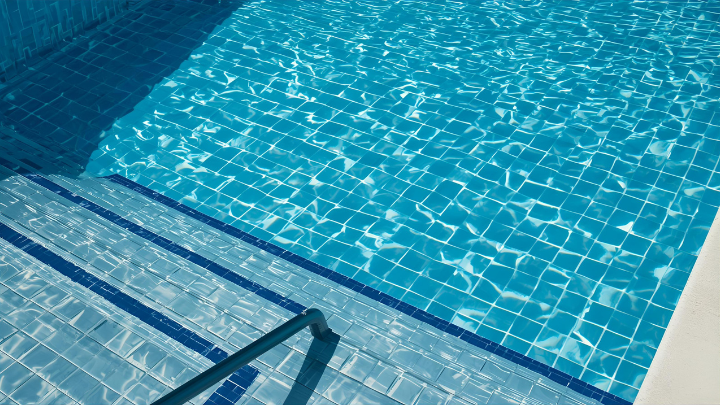
Swimming pools are exposed to constant moisture, chlorine, UV rays, and fluctuating temperatures, which standard grout cannot withstand, as it may crack, discolor, or erode over time. Specialized pool grout is designed to resist chemical damage, water absorption, and fading, ensuring the pool remains visually appealing and structurally sound, as discussed in this guide on pool grout.
Choosing the right grout is essential for pool longevity, with options such as epoxy grout, which is highly resistant to water, chemicals, and stains; polyurethane grout, offering flexibility and durability for areas with frequent temperature changes; and cement-based pool grout, often enhanced with additives for improved water resistance as a cost-effective solution.
To maintain pool grout in optimal condition, regular cleaning is necessary to remove dirt, algae, and chemical buildup, along with periodic sealing to enhance water and chemical resistance, and routine inspections to repair cracks or gaps before they worsen.
Common mistakes to avoid include using standard non-waterproof grout, ignoring minor cracks, skipping sealing, and employing poor installation techniques that can result in uneven or weak joints.
4. How to Remove Mold from Grout
Mold thrives in damp, humid environments, making grout especially in bathrooms, kitchens, and basements an ideal breeding ground. Moisture from showers, sinks, or leaks, combined with poor ventilation and organic debris like soap scum or dust, creates the perfect conditions for mold growth. Over time, mold not only discolors grout but can also damage its integrity and pose health risks. Several cleaning methods can effectively remove mold from grout, including homemade solutions such as vinegar, a natural antifungal agent that kills mold and mildew, and baking soda paste, which helps scrub away mold while neutralizing odors. Commercial cleaners are also available, providing stronger cleaning power and often including disinfectants to prevent regrowth.
Step-by-Step Mold Removal Process
To clean grout, apply the cleaner to the grout lines and allow it to sit for several minutes. During the application of cleaners, use a stiff-bristled brush to scrub the grout thoroughly, ensuring all mold is removed. Rinsing is essential to wash away the cleaner and mold residues with warm water, followed by drying the area completely to prevent future mold growth; using a fan or opening windows can help speed up the drying process.
Preventive Measures to Keep Grout Mold-Free
Improving ventilation by using exhaust fans or opening windows helps reduce humidity and prevents mold buildup. Sealing grout regularly creates a protective barrier against moisture and mold, while routine cleaning, including wiping down tiles and grout lines especially in high-moisture areas further reduces the risk of mold formation.
5. Black Metro Tiles with Black Grout: Modern & Stylish Design
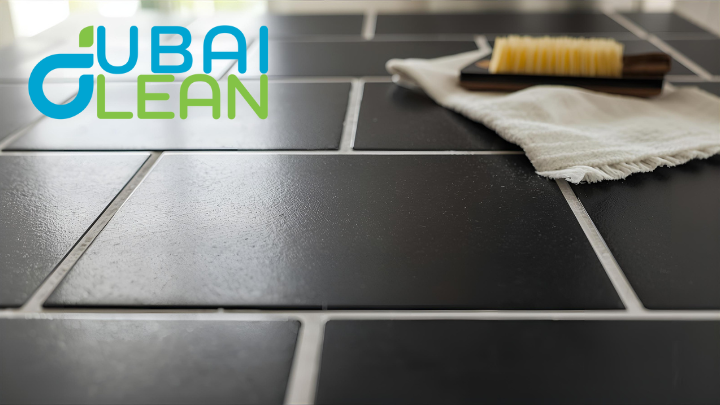
Combining black metro tiles with black grout creates a sleek, modern, and sophisticated look that adds depth and elegance to any space. This monochromatic design not only makes a bold style statement but also effectively hides stains, dirt, and discoloration, making it a practical choice for kitchens, bathrooms, and feature walls. To enhance the visual impact, incorporate contrasting accents like metallic fixtures or wooden elements, and ensure proper lighting to highlight the texture and shine of the tiles. Regular maintenance, including gentle cleaning with pH-neutral products, keeps the tiles and grout looking pristine while preserving their polished, contemporary appearance.
Why Choose Black-on-Black?
Combining black metro tiles with black grout results in a sleek, contemporary, and elegant look. This combination is highly effective at hiding stains, discoloration, and minor dirt, making it both a stylish and practical choice for kitchens, bathrooms, and feature walls. The monochromatic look adds depth and elegance, offering a contemporary feel that complements various design styles, as showcased by DubaiClean’s professional tile services.
Design Tips
To maximize the visual impact of black-on-black tiles:
- Contrasting Accents: Introduce metallic fixtures, wooden elements, or bright accessories to break the monotony and add visual interest.
- Lighting: Proper lighting, such as under-cabinet lights or pendant lights, enhances the texture and shine of black tiles, preventing the space from feeling too dark.
- Placement: Ideal for kitchen backsplashes, shower walls, and accent walls where a dramatic, modern statement is desired.
Maintenance & Cleaning
Maintaining black metro tiles with black grout is straightforward when done correctly:
- Avoid Soap Scum Buildup: Rinse tiles regularly, especially in wet areas like showers and sinks.
- Regular Wiping: Use a soft cloth or sponge to wipe down tiles to prevent water spots and grime.
- Safe Cleaners: Opt for non-abrasive, pH-neutral cleaners to maintain the color and finish of both tiles and grout
6. Conclusion
In this guide, we explored the essential aspects of grout, from choosing the right type for your project to specialized applications. We covered waterproof grout and its benefits for wet areas, the importance of using proper grout in swimming pools, effective methods to remove mold from grout, and design tips for black metro tiles with black grout.
Selecting the right grout is crucial for both the longevity and aesthetics of your tiled surfaces. Proper application, maintenance, and regular cleaning ensure that your tiles remain durable, stylish, and mold-free.Whether you’re tackling a DIY tiling project or planning a professional installation, choosing high-quality grout and following expert tips can make all the difference. Explore professional grout solutions or hire experts to achieve flawless results and long-lasting beauty for your tiles.