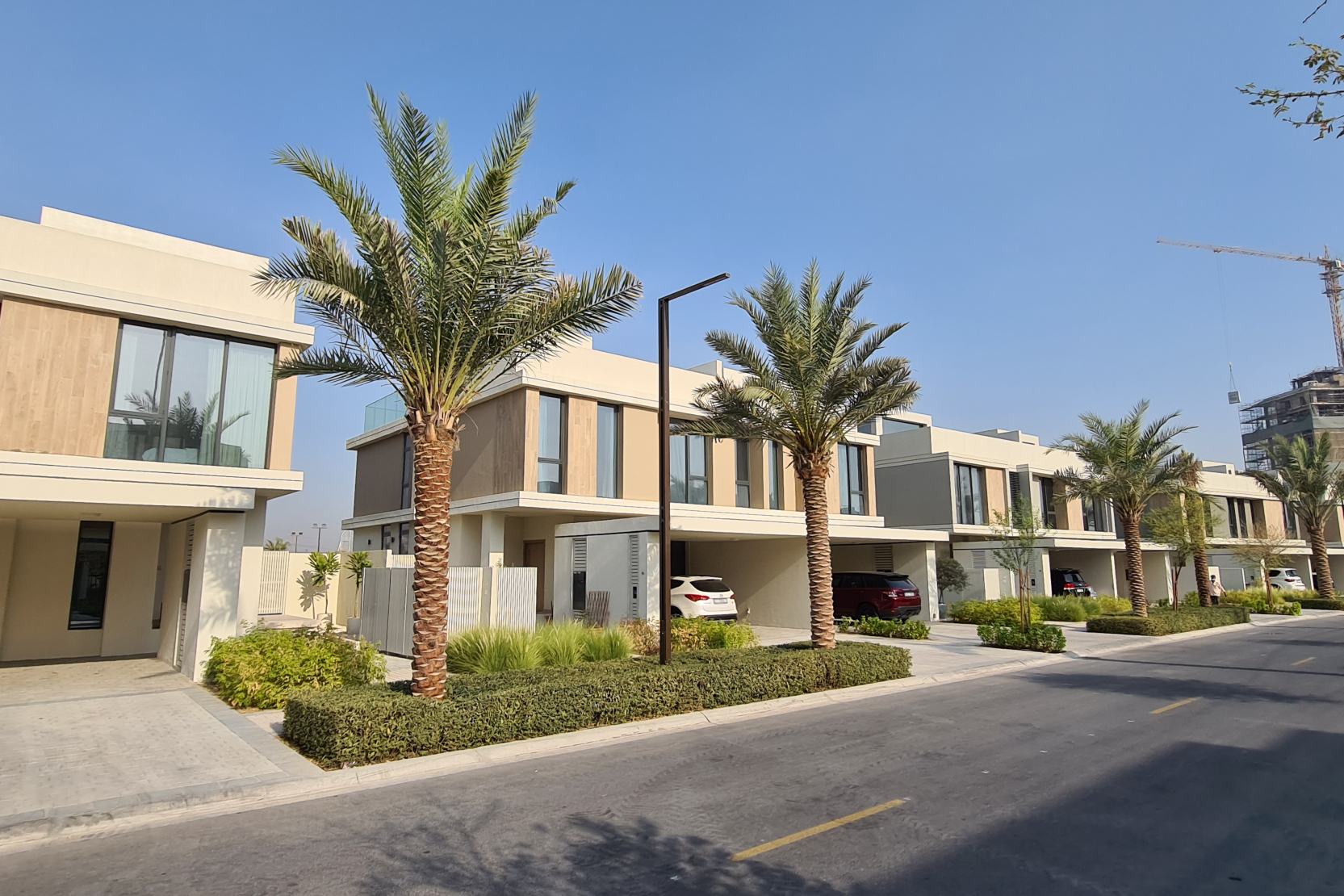



Living in Al Furjan’s beautiful villas comes with many perks – spacious layouts, modern amenities, and a family-friendly community atmosphere. But there’s one aspect of villa ownership that many residents overlook: the water storage tank that supplies your home with clean water daily.
Your villa’s water tank works behind the scenes, storing thousands of liters of water that your family uses for drinking, cooking, bathing, and cleaning. While Dubai Municipality maintains high standards for municipal water supply, what happens to that water once it sits in your tank can be quite different.
Understanding Your Al Furjan Villa’s Water Storage System
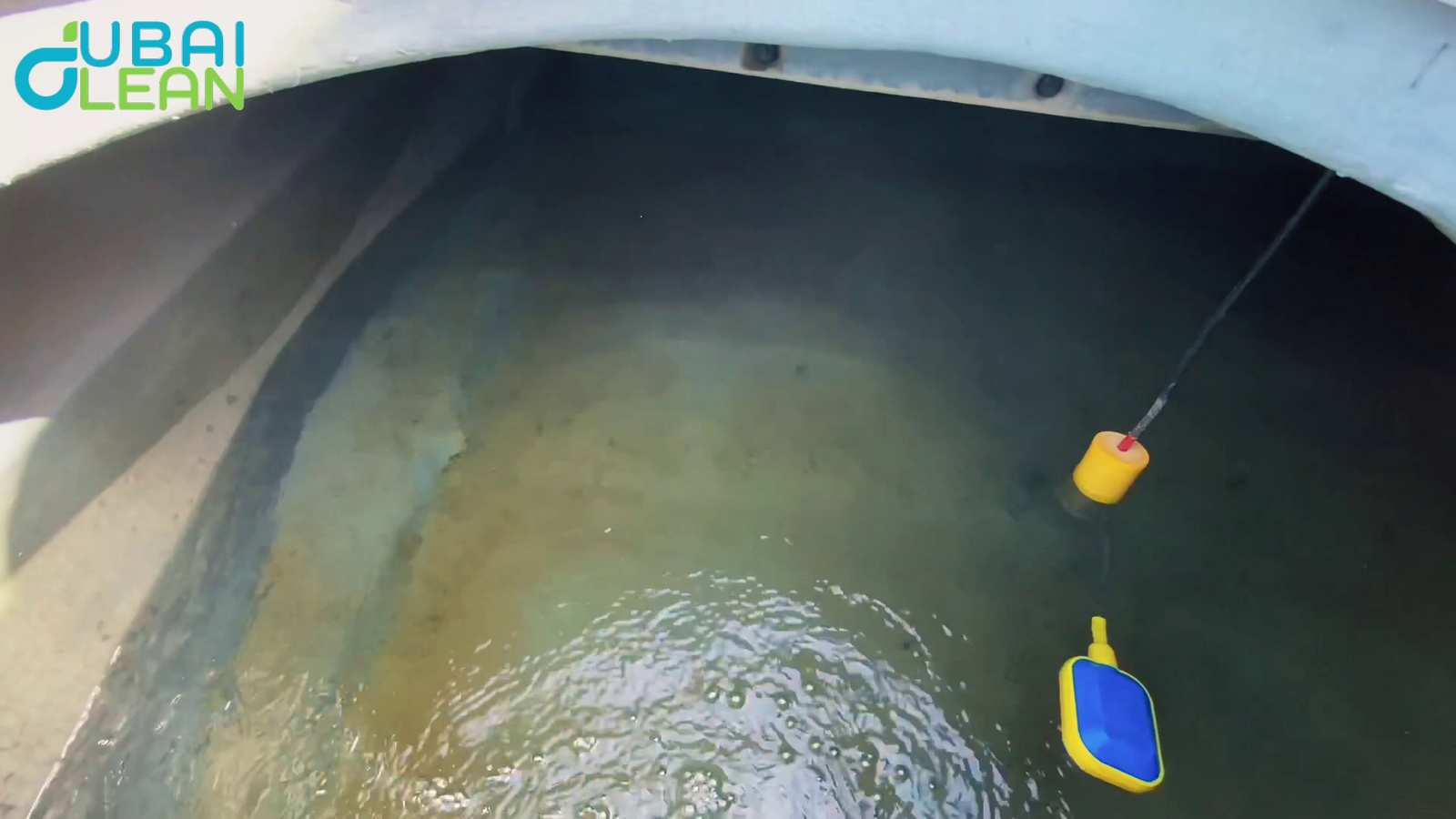
Most Al Furjan villas feature overhead water tanks, typically ranging from 1,000 to 5,000 liters in capacity. These tanks receive treated water from the municipal supply and store it for your household use. The system includes:
- Main storage tank (usually located on the roof or upper level)
- Distribution pipes connecting to all water outlets
- Pump system for consistent water pressure
- Overflow and drainage connections
The tank material varies – some are made from polyethylene, others from fiberglass or concrete. Regardless of material, all tanks require regular professional cleaning to maintain water quality.
Dubai’s Climate Creates Perfect Conditions for Tank Contamination
Dubai’s hot, humid climate presents unique challenges for water tank maintenance. With temperatures soaring above 45°C during the summer months, your rooftop water tank becomes a breeding ground for bacteria, algae, and other microorganisms.
Here’s what happens inside your tank:
| Contaminant Type | Cause in Dubai Climate | Health Impact |
|---|---|---|
| Bacteria | Warm temperatures accelerate growth | Stomach infections, diarrhea |
| Algae | Sunlight + heat + nutrients | Taste/odor issues, potential toxins |
| Sediment buildup | Dust storms, sand particles | Clogged fixtures, poor water quality |
| Biofilm formation | Moisture + organic matter | Protects harmful bacteria |
The combination of intense heat, frequent sandstorms, and high humidity means contaminants accumulate faster in Dubai than in cooler climates.
Health Risks Hiding in Your Water Tank
Contaminated water tanks pose serious health risks, especially for children, elderly family members, and pets. Common issues include:
Bacterial Infections: Legionella, E. coli, and other harmful bacteria thrive in warm, stagnant water. These can cause respiratory infections, gastroenteritis, and more serious complications.
Skin and Hair Problems: Poor water quality leads to skin irritation, eczema flare-ups, and dull, brittle hair – particularly problematic in Dubai’s already dry climate.
Digestive Issues: Contaminated drinking water can cause stomach upset, nausea, and food poisoning symptoms, even when the water looks clear.
Compromised Immune Systems: Regular exposure to low-level contaminants weakens your family’s natural defenses against illness.
What Professional Water Tank Cleaning Involves
Professional water tank cleaning goes far beyond what homeowners can accomplish with basic cleaning supplies. The comprehensive process includes:
Complete Water Drainage and Inspection
Technicians drain your tank completely and inspect for cracks, corrosion, or structural issues that could compromise water quality.
Deep Scrubbing and Disinfection
Using specialized equipment, professionals remove biofilm, sediment, and algae buildup from all tank surfaces. Industrial-grade disinfectants eliminate bacteria and viruses.
Pipe System Cleaning
The service extends beyond the tank itself to clean distribution pipes, removing buildup that affects water flow and quality throughout your home.
Quality Testing and Certification
After cleaning, water samples undergo laboratory testing to confirm the elimination of harmful contaminants and compliance with health standards.
Signs Your Al Furjan Villa Water Tank Needs Attention
Watch for these warning signs:
- Unusual taste or smell in your tap water
- Cloudy or discolored water, especially first thing in the morning
- Reduced water pressure throughout the house
- Visible particles or sediment in water
- Frequent plumbing issues or clogged fixtures
- Family members experiencing recurring stomach problems
Maintaining Water Quality Between Professional Cleanings
While professional cleaning should happen every 6-12 months, you can take steps to maintain water quality:
Regular Visual Inspections: Check your tank’s exterior monthly for cracks, rust, or damage that could allow contamination.
Monitor Water Quality: Keep track of taste, smell, and appearance changes in your tap water.
Protect Tank Access: Verify that tank covers fit securely and access points remain sealed against dust and pests.
Document Maintenance: Keep records of cleaning dates and any issues discovered during service.
Consider Water Filtration: Install point-of-use filters for drinking water as an additional safety measure.
Complementary Services for Complete Home Water Safety
Water tank cleaning works best as part of a comprehensive approach to home water management:
Plumbing System Maintenance: Regular pipe cleaning and leak detection prevent contamination and maintain water pressure.
Water Filter Replacement: Kitchen and bathroom filters need regular replacement to remain effective.
Pool and Fountain Cleaning: These water features can harbor bacteria that affect your property’s overall water quality.
HVAC Duct Cleaning: Clean air ducts prevent airborne contaminants from settling in your water tank.
The Investment in Your Family’s Health
Professional water tank cleaning represents a small investment compared to potential medical costs from waterborne illnesses. In Dubai’s challenging climate, this service becomes particularly important for maintaining your family’s health and comfort.
Many Al Furjan residents find that regular tank cleaning also improves their home’s water pressure, reduces plumbing repairs, and extends the life of water-using appliances like washing machines and dishwashers.
Consider scheduling your first professional water tank cleaning during the cooler months when contamination levels typically peak after the hot summer season. This timing allows you to start fresh and maintain clean water throughout the year.