


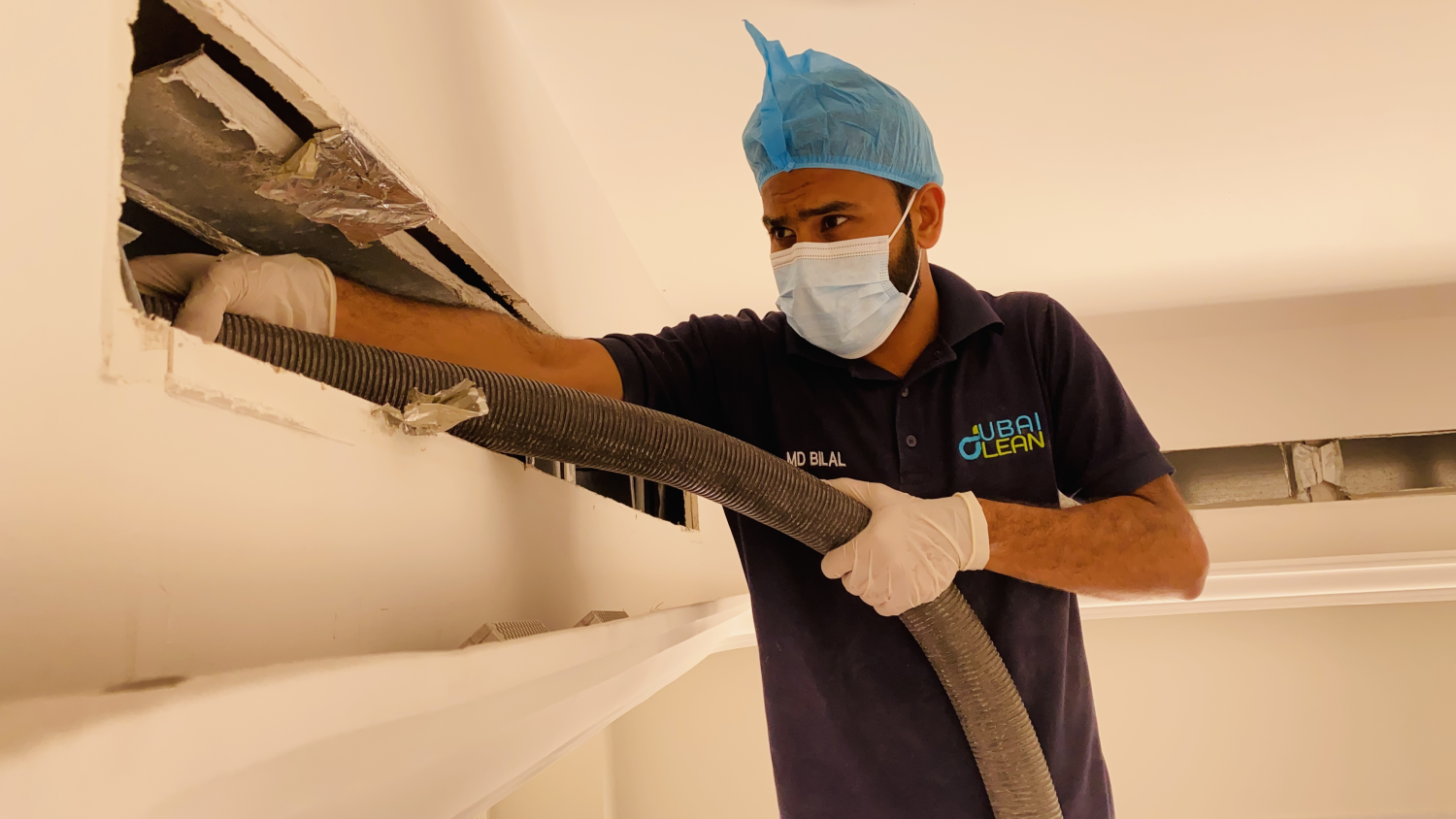
Air ducts are essential for HVAC systems, distributing heated or cooled air and improving indoor air quality by filtering dust, allergens, and pollutants. In Dubai’s hot climate, regular maintenance is crucial, as heat increases AC wear, reduces airflow, and causes energy inefficiency. Neglect can also lead to harmful contaminant buildup, worsening comfort and health risks. This blog explores five common duct problems leaks, blockages, mould, pests, and insulation issues and offers practical prevention tips for a safe, efficient system.
1. Blockages and Restrictions
Blockages and restrictions in air ducts are common issues that reduce airflow and strain HVAC systems. Accumulated dust, debris, or foreign objects can prevent efficient heating and cooling, forcing the AC to work harder and increasing energy consumption. These restrictions also lower indoor air quality by trapping allergens and pollutants. Regular inspection and cleaning are essential to maintain proper airflow, system efficiency, and a healthy indoor environment.
Common Causes of Blockages: Blockages in air ducts are caused by dust, pet hair, debris, and poorly designed or deteriorating ductwork. These obstructions restrict airflow and reduce HVAC efficiency. Regular inspection and cleaning prevent blockages, ensuring healthy indoor air and optimal system performance.
Signs of Blockages: Signs of air duct blockages include uneven airflow, strange noises, and higher energy bills as the HVAC works harder. Dust buildup around vents or increased indoor allergens also indicate obstructions. Recognizing these early helps maintain efficient airflow and a healthy indoor environment.
Prevention Methods: Prevent blockages by scheduling regular cleaning every 1–2 years and using high-quality air filters. Keep vents clear and ensure proper duct design to avoid airflow restrictions. Regular professional inspections catch minor issues early, maintaining HVAC efficiency and clean indoor air.
2. Leaks and Air Duct Seal Failures
Air duct leaks and seal failures can reduce HVAC efficiency, increase energy costs, and compromise indoor air quality. When conditioned air escapes through cracks or gaps, your system works harder to maintain comfort, wasting energy. Leaky ducts can also draw in dust, allergens, and pollutants from unconditioned spaces, affecting health and air quality. Understanding the causes, consequences, and prevention methods of leaks is essential for maintaining an efficient and safe HVAC system. Proper care ensures consistent airflow, lower energy bills, and a healthier indoor environment.
Causes of Leaks: Duct leaks commonly occur due to aging, physical damage, or poor installation, causing cracks and gaps. These leaks often go unnoticed until they affect system efficiency. Regular inspections help identify and fix issues early, keeping your HVAC safe and effective.
Consequences of Leaks: Leaky ducts waste energy as conditioned air escapes, raising electricity bills and straining the HVAC system. They can also reduce indoor air quality by introducing dust, allergens, and pollutants. Early detection and repair prevent health risks, discomfort, and higher energy costs.
Prevention Methods: Prevent duct leaks with annual inspections by qualified HVAC professionals and promptly seal any detected gaps using mastic or metal tape. Upgrade insulation in unconditioned areas to reduce condensation and temperature fluctuations. Always use certified installers for new ductwork to ensure proper sealing and long-lasting efficiency.
3. Mould and Mildew Growth
Mould and mildew in air ducts pose serious health risks and reduce indoor air quality. Warm, humid, and moist conditions create the perfect environment for fungal growth, especially in areas with leaks or poor ventilation. Exposure to mould can trigger respiratory issues, skin irritation, and long-term health problems for occupants. Preventing mould requires regular inspections, proper ventilation, and maintaining controlled humidity levels. Proactive care keeps your HVAC system efficient and your home safe and healthy.
Conditions Conducive to Mould Growth: Mould thrives in ducts with high moisture from leaks or condensation. Dubai’s indoor humidity and poor ventilation can increase the risk. Warm temperatures accelerate fungal growth when combined with moisture. Identifying and controlling these conditions is essential for prevention.
Health Risks Associated with Mould Exposure: Mould spores can trigger asthma attacks, allergies, and other respiratory problems. Skin irritation or rashes may occur upon exposure. Prolonged contact can lead to chronic health issues and weakened immunity. Early detection is key to protecting health.
Prevention Methods: Use dehumidifiers to maintain indoor humidity between 30–50%, especially in humid climates. Ensure proper ventilation with exhaust fans in kitchens and bathrooms. Inspect ducts regularly for mould signs and address issues immediately. Invest in high-quality air filters to capture spores and improve indoor air quality
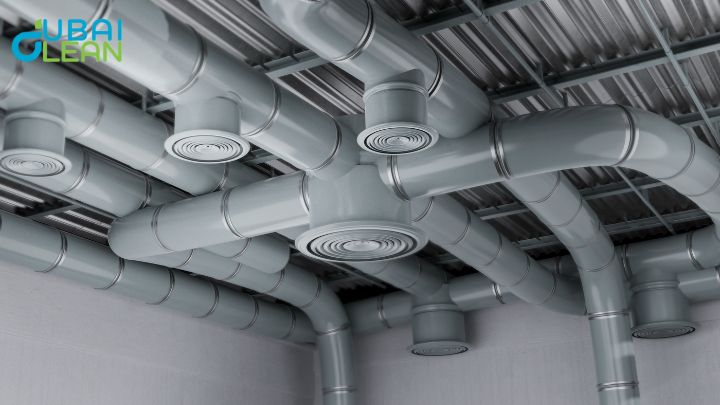
4. Pest Infestations in Air Ducts
Pest infestations are a serious air duct problem in Dubai homes because they can damage HVAC systems and negatively impact indoor air quality. Rodents, insects, and even birds may enter ductwork, leaving droppings, debris, and nests that restrict airflow and spread contaminants throughout the home. These issues not only reduce AC efficiency but also create potential health concerns for families, especially children and elderly residents.
As highlighted in the Dubai HVAC & Indoor Air Quality Rules maintaining clean and well-maintained ducts is essential for a safe and healthy indoor environment. Regular inspections, timely maintenance, and preventive pest control help protect your HVAC system, improve performance, and ensure cleaner, healthier air inside Dubai homes.
Common Pests that Infest Air Ducts
Rodents like mice and rats seek warmth and shelter in ducts, leaving droppings that contaminate air. Insects such as cockroaches, ants, and termites may enter in search of food or moisture. Birds can occasionally nest in larger ducts, blocking airflow and creating debris. Identifying these pests early helps prevent damage and health hazards.
Damage Caused by Pests
Rodents can chew through duct materials, insulation, and wiring, leading to costly repairs. Pests leave droppings and urine that contaminate indoor air. Nests and debris can obstruct airflow, reducing HVAC efficiency. Early detection minimizes damage and maintains healthy air circulation.
5. Corrosion and Rust
Corrosion and rust can seriously compromise the integrity of air ducts. It led to significant operational issues and expensive repairs. Understanding the causes and consequences of corrosion, along with effective prevention methods, is crucial for proper maintenance.
Causes of Corrosion
Moisture: Excess humidity and moisture can cause metal ducts to corrode over time. This is particularly prevalent in areas with poor ventilation or where condensation can accumulate.
Exposure to Chemicals: Certain cleaning agents, air pollutants, and even airborne chemicals from nearby industries can contribute to the corrosion of duct materials, particularly if they are not designed to withstand such exposure.
Consequences of Corrosion
Structural Damage: Corrosion can weaken the duct material, leading to holes and structural failure. This can compromise the entire performance.
Leaks: Rusted or corroded ducts are more susceptible to leaks, which can lead to energy loss and diminished air quality as conditioned air escapes and unfiltered air enters the system.
Increased Energy Costs: As corrosion worsens, this may work harder to compensate for lost efficiency, resulting in higher energy bills.
Prevention Methods
Regular Inspections: Schedule annual inspections with HVAC professionals to identify early signs of corrosion. They can assess duct materials and suggest necessary repairs or replacements.
Protective Coatings: Consider applying protective coatings to metal ducts to resist corrosion. Specialised paints or sealants can help shield ductwork from moisture and chemical exposure.
Upgrade Materials: If your duct is old or particularly prone to corrosion, consider upgrading to corrosion-resistant materials, such as galvanised steel or aluminium.
Monitor Indoor Air Quality: Maintain a clean environment with good air quality to minimise exposure to harmful chemicals that could contribute to corrosion.
Many air duct issues can be prevented with proactive measures such as regular inspections, routine cleaning, pest control, and moisture management. These steps help maintain system performance and promote healthier indoor air. Addressing potential problems early saves money on repairs and reduces energy costs. A well-maintained duct ensures consistent airflow and efficient HVAC operation. Overall, proper care keeps your home comfortable, safe, and energy-efficient year-round.
Conclusion
Regular inspection, cleaning and professional maintenance keep air ducts efficient, safe, and free from blockages, leaks, mould, pests, or corrosion. Proactive care improves indoor air quality, reduces energy costs, and prevents costly repairs. For Dubai homes, following these measures ensures a healthy, comfortable, and energy-efficient environment year-round.