


If you’ve noticed darkened lines between your tiles, crumbling grout, or stubborn stains that won’t budge, you’re dealing with a common issue many homeowners in Jebel Ali Village face. Damaged grout doesn’t just look unappealing – it can lead to bigger problems like moisture damage, mold growth, and even structural issues if left unaddressed.
Tile regrouting breathes new life into your floors, walls, and surfaces without the expense of a complete renovation. This service involves removing old, deteriorated grout and replacing it with fresh material that protects your tiles and transforms the appearance of any room. For residents in Jebel Ali Village, where homes combine modern design with practical living, maintaining pristine tile work helps preserve both aesthetics and property value.
What Is Tile Regrouting and Why Does It Matter?
Grout serves as the cement-like material filling the spaces between tiles. Over time, this porous substance absorbs water, dirt, soap residue, and cleaning products. In Dubai’s climate, the combination of humidity, dust storms, and temperature fluctuations accelerates grout deterioration.
When grout fails, several problems emerge:
- Water penetration: Damaged grout allows moisture to seep behind tiles, potentially damaging walls or subfloors
- Mold and mildew: Wet environments create perfect conditions for fungal growth, especially in bathrooms and kitchens
- Tile instability: Without proper grout support, tiles can loosen or crack
- Hygiene concerns: Discolored, porous grout harbors bacteria and becomes difficult to clean
Regrouting addresses these issues by creating a fresh, sealed barrier that protects your surfaces and restores their original appearance.
Dubai’s Climate and Your Tile Grout
Living in Jebel Ali Village means contending with environmental factors that specifically impact tile grout:
High Humidity Levels: Coastal proximity brings moisture that penetrates grout, particularly in bathrooms and laundry areas. This constant exposure weakens the material and promotes mold growth.
Desert Dust: Fine sand particles infiltrate homes during sandstorms, settling into grout lines and causing discoloration that regular cleaning can’t remove.
Temperature Swings: Air conditioning creates indoor temperature variations that cause tiles and grout to expand and contract, leading to cracks and separation.
Hard Water: Dubai’s water contains high mineral content that leaves chalky deposits on grout, creating that stubborn white residue you’ve probably noticed.
These conditions mean grout in Jebel Ali Village homes typically needs attention every 3-5 years, compared to 5-7 years in more temperate climates.
The Professional Regrouting Process
Understanding what happens during professional tile regrouting services in Jebel Ali Village helps you prepare and know what to expect:
1. Grout Removal
Technicians use specialized oscillating tools or grout saws to carefully extract old grout without damaging tile edges. Manual tools handle delicate areas. This step requires precision – rushing risks chipping tiles.
2. Joint Cleaning and Preparation
After removal, joints are vacuumed and cleaned thoroughly. Any remaining debris or residue must be eliminated for proper adhesion of new grout. Technicians inspect for underlying issues like tile movement or water damage.
3. Grout Application
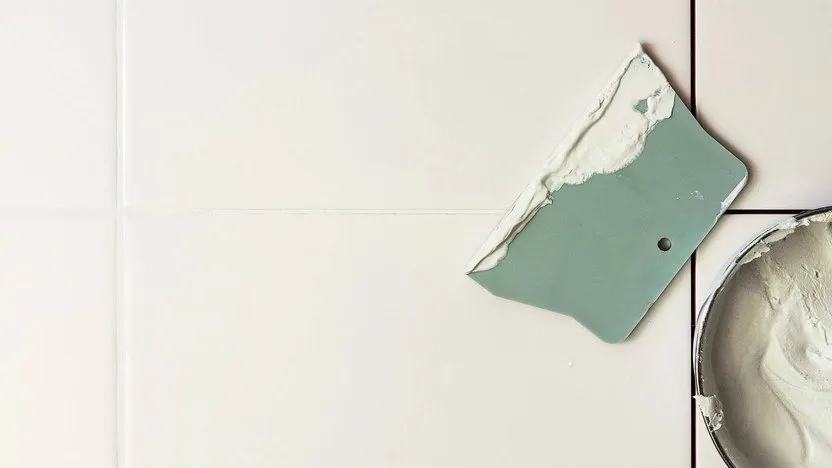
Fresh grout is mixed to the correct consistency and worked into joints using rubber floats. Proper technique fills joints without air pockets. Color-matching options let you maintain your original look or update the color scheme.
4. Cleaning and Finishing
Excess grout is wiped from tile surfaces before it fully hardens. Once cured (typically 24-72 hours), a penetrating sealer is applied to protect against moisture and stains.
5. Final Inspection
A thorough check confirms consistent color, proper joint filling, and complete sealant coverage.
Maintenance Tips to Extend Grout Life
After investing in tile regrouting services in Jebel Ali Village, these practices help maintain results:
Daily Habits
- Squeegee shower walls after use to reduce moisture exposure
- Wipe up spills immediately, especially acidic liquids like juice or vinegar
- Use exhaust fans during and after showers to control humidity
Weekly Cleaning
- Clean tiles and grout with pH-neutral cleaners
- Avoid harsh chemicals that break down the sealant
- Use soft brushes or microfiber cloths rather than abrasive scrubbers
Periodic Care
- Reseal grout every 1-2 years in high-moisture areas
- Address stains promptly before they penetrate deeply
- Check for cracks or gaps and repair small areas before they spread
Professional Maintenance
- Schedule deep cleaning annually to remove buildup
- Have grout inspected every 2-3 years to catch problems early
When to Consider Regrouting
Look for these signs that indicate you need professional attention:
| Problem Sign | What It Means |
|---|---|
| Dark, discolored grout lines | Deep staining or mold that cleaning can’t remove |
| Crumbling or missing grout | Structural breakdown requiring replacement |
| Persistent musty odors | Mold growth within or behind grout |
| Loose or hollow-sounding tiles | Grout failure affecting tile stability |
| Cracks in grout lines | Water penetration risk |
Complementary Services for Complete Tile Care
Tile regrouting works best as part of a comprehensive maintenance approach:
Deep Tile Cleaning: Professional cleaning before regrouting removes years of buildup and ensures proper grout adhesion. This service also reveals any tile damage needing repair.
Tile Sealing: After regrouting, sealing tile surfaces (especially natural stone) provides additional protection against stains and moisture.
Caulk Replacement: Areas where tiles meet tubs, countertops, or fixtures need flexible caulk rather than rigid grout. Replacing deteriorated caulk during regrouting prevents water infiltration.
Waterproofing: For shower areas showing signs of water damage, proper waterproofing beneath tiles prevents future problems.
Cost Considerations and Value
Professional tile regrouting services in Jebel Ali Village typically start at 50 AED per square meter. This investment covers grout removal, surface preparation, new grout installation, sealing, and cleanup.
What affects the final cost:
- Room size and grout quantity: Smaller tiles mean more grout lines
- Grout condition: Heavily damaged grout takes longer to remove
- Tile type: Delicate materials like natural stone require extra care
- Accessibility: Hard-to-reach areas or tight spaces increase labor time
Additional services like specialty epoxy grout, extensive mold remediation, or tile repairs carry separate charges. Getting a detailed quote helps avoid surprises.
Compare this cost to complete retiling, which runs 150-300 AED per square meter plus tile costs. Regrouting delivers dramatic results at a fraction of the price.
Making Your Tile Surfaces Last
Fresh grout transforms tired, dingy tile work into surfaces that look nearly new. For Jebel Ali Village homeowners, this service addresses the specific challenges Dubai’s environment creates while protecting your investment.
Think of regrouting as preventive maintenance rather than just cosmetic improvement. By acting when you first notice problems, you avoid the much higher costs of water damage, mold remediation, or complete tile replacement.
Regular attention to your tile surfaces, combined with professional regrouting when needed, keeps your home looking beautiful and maintains its value for years to come.