

Keeping a swimming pool clean is more than just an aesthetic choice; it’s essential for health, safety, and long-term maintenance. Regular swimming pool cleaning removes dirt, debris, and harmful bacteria, ensuring that the water stays clear and safe for swimmers. A well-maintained pool not only enhances the overall appearance of your backyard or facility but also provides a hygienic environment where families and friends can enjoy swimming without worry.
Beyond hygiene, swimming pool cleaning helps prevent common issues like algae growth, stains, and corrosion of pool surfaces. Routine maintenance extends the life of your pool equipment, reduces repair costs, and keeps the water chemically balanced for safe swimming. By investing a little time in proper cleaning practices, pool owners can enjoy crystal-clear water, a safer swimming environment, and a pool that lasts for years to come.
1. What is Swimming Pool Cleaning?
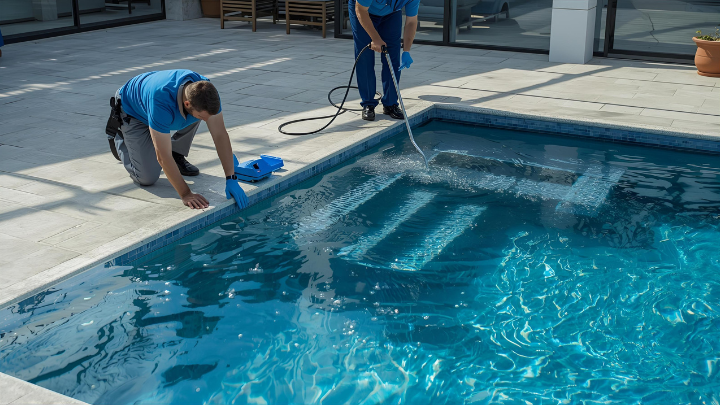
Swimming pool cleaning refers to the process of removing dirt, debris, algae, and harmful microorganisms from a pool to maintain clean, safe, and hygienic water. It involves tasks like skimming the surface, scrubbing pool walls, vacuuming the floor, cleaning filters, and balancing chemicals. Regular cleaning is essential because pools naturally accumulate contaminants from swimmers, weather, and surrounding environments. Without consistent care, these impurities can lead to unsafe water conditions, unpleasant odors, and costly damage to pool surfaces and equipment.
2. Pool Tile Cleaning
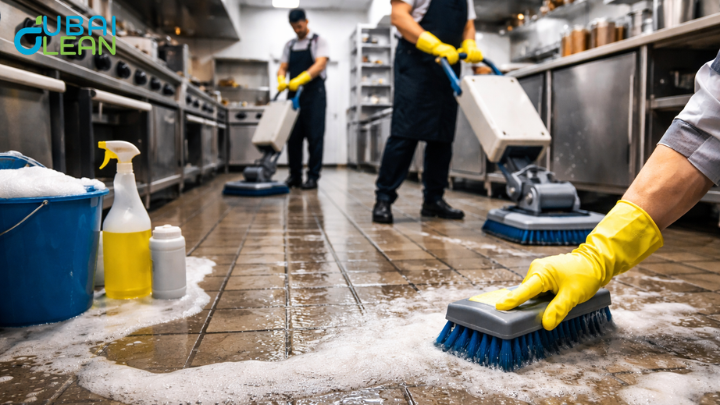
Pool tiles can accumulate calcium, algae, and dirt over time, making them look dull and slippery. Regular pool tile cleaning removes these deposits, keeping the tiles sparkling and safe for swimmers. Simple techniques like brushing and scrubbing can tackle light grime, while professional cleaners handle stubborn stains and buildup. Maintaining clean tiles not only improves the pool’s appearance but also prevents long-term damage to the grout and surfaces.
Importance of Cleaning Pool Tiles
Pool tiles are constantly exposed to water, chemicals, and environmental debris, making them prone to buildup over time. Calcium deposits, algae, and dirt can accumulate on tile surfaces, causing unsightly stains and slippery patches. If left uncleaned, these deposits not only affect the pool’s appearance but can also damage the tiles and grout, leading to expensive repairs. Regular pool tile cleaning ensures a sparkling, safe surface that enhances the overall look and hygiene of your swimming pool.
Techniques for Pool Tile Cleaning
Cleaning pool tiles effectively involves a combination of manual and chemical methods. Brushing and scrubbing with specialized pool brushes remove surface grime, while professional solutions or tile cleaners tackle stubborn calcium and algae stains. For heavily stained tiles, expert pool maintenance services may perform deeper treatments, ensuring the tiles remain smooth, stain-free, and safe for swimmers. Using the right cleaning methods helps maintain a polished look while protecting the tile and grout from damage.
3. Pool Stain Removal
Pools often develop stains from metals, algae, dirt, and debris, which can discolor tiles and pool surfaces. Regular pool stain removal helps maintain clear, visually appealing water and prevents long-term damage. Minor stains can be treated with scrubbing or DIY stain removers, while stubborn marks may require professional chemical treatments. Consistent care keeps the pool looking clean, safe, and inviting for swimmers.
Common Pool Stains
Pools can develop stains from various sources such as metals like iron or copper, algae growth, dirt, and debris. These stains often appear as green, brown, or rust-colored marks on the pool floor, walls, or tiles, affecting the pool’s appearance and water clarity.
How to Remove Pool Stains
Stains can be removed using DIY methods like scrubbing, using stain removers, or balancing pool chemicals for minor issues. For stubborn or widespread stains, professional chemical treatments ensure effective removal without damaging the pool surface. Regular maintenance helps prevent stains from forming in the first place.
4. Pool Acid Wash
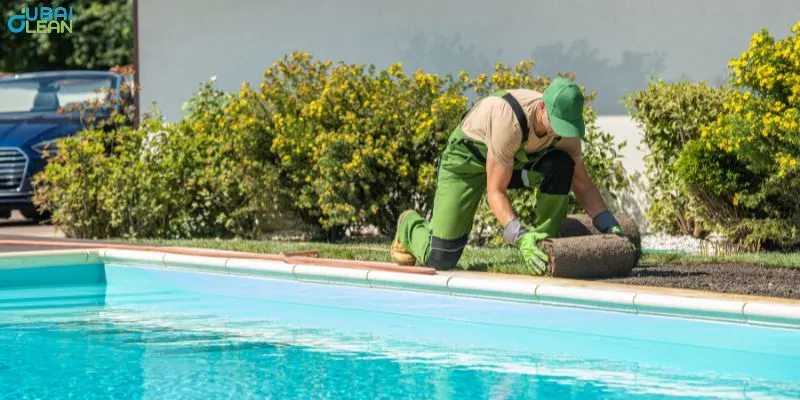
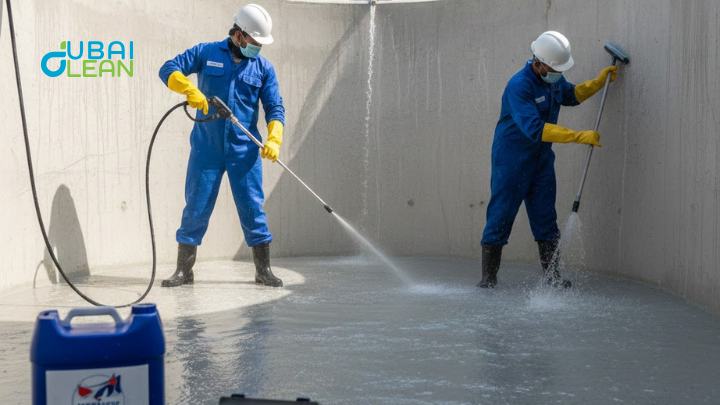
Pool acid wash is a deep cleaning method used to remove stubborn stains, mineral deposits, and algae buildup from pool surfaces. It is usually done when regular cleaning is not enough or when the pool needs resurfacing. The process involves using acid solutions carefully, following safety precautions, and often requires professional expertise. Acid washing restores the pool’s smooth finish, enhances its appearance, and helps maintain long-term hygiene.
What is Pool Acid Washing?
Pool acid washing is a deep cleaning process used to remove stubborn stains, mineral buildup, and algae from pool surfaces. It is typically necessary when regular cleaning methods are not enough or when resurfacing a pool to restore its smooth, clean finish.
Step-by-Step Pool Acid Wash
The process involves carefully applying acid solutions to the pool surface while following strict safety precautions. Protective gear and proper ventilation are essential, and professional guidance is recommended to avoid damaging tiles or grout. Acid washing effectively renews the pool’s appearance and ensures long-lasting cleanliness.
5. Pool Surface Cleaning
Regular pool surface cleaning is essential to keep the water clear, safe, and inviting for swimmers. Using tools like skimmers, vacuums, and brushes helps remove leaves, debris, insects, and other floating dirt that naturally accumulate on the water’s surface. Cleaning the surface prevents algae growth, reduces contamination, and keeps water chemically balanced. Consistent attention also protects pool equipment, prevents clogs in pumps and filters, and maintains the pool’s overall hygiene. By integrating surface cleaning into a weekly routine, pool owners can enjoy crystal-clear water while extending the life of their pool and minimizing costly repairs.
6. Swimming Pool Maintenance Tips
Regular maintenance is key to keeping your pool clean, safe, and inviting. Weekly routines like skimming debris, brushing walls, and checking water chemistry prevent algae and dirt buildup. Monthly and seasonal care, including filter cleaning, backwashing, and professional inspections, ensures the pool stays in top condition. Properly balancing chemicals such as chlorine and pH levels protects swimmers, maintains clear water, and extends the life of pool surfaces and equipment. Consistent maintenance saves time, money, and keeps your pool sparkling year-round.
Weekly Pool Cleaning Routine
A weekly cleaning routine is essential for maintaining a healthy and safe pool. Skimming the water surface removes leaves and debris, while brushing walls and tiles prevents algae buildup. Checking water chemistry, including chlorine and pH levels, ensures that the pool stays balanced and safe for swimmers. Regular attention reduces long-term maintenance issues and keeps the water sparkling clear.
Pool Chemicals and Water Balance
Maintaining proper chemical balance is crucial for safe swimming. Regularly test and adjust pH, chlorine, and alkalinity levels to prevent bacteria growth, algae, and cloudy water. Using the right chemicals in the correct amounts not only protects swimmers but also prolongs the life of pool surfaces and equipment, keeping the pool clean and inviting at all times.
7. Dangers of Neglecting Pool Cleaning
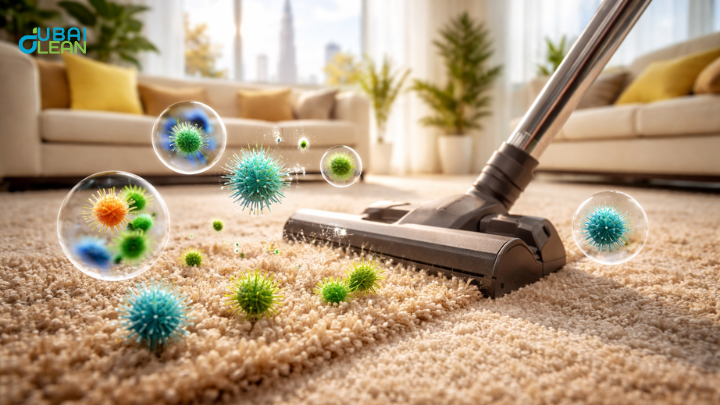
Neglecting swimming pool cleaning can lead to serious health and safety issues. Algae, bacteria, and other microorganisms can grow in dirty water, increasing the risk of infections. It can also damage pool equipment, causing clogged filters, corroded tiles, and shorter lifespan of pumps and surfaces. Additionally, slippery surfaces and cloudy water create safety hazards for swimmers. Regular cleaning is essential to maintain a safe, healthy, and long-lasting pool.
Health Risks
Neglecting swimming pool cleaning can lead to serious health problems. Algae, bacteria, and other harmful microorganisms can thrive in dirty water, increasing the risk of skin irritations, eye infections, and waterborne illnesses. Regular cleaning helps keep the pool safe and hygienic for swimmers of all ages.
Damage to Pool Equipment
Dirty pools can cause significant damage to equipment over time. Clogged filters, corroded tiles, and worn-out pumps are common problems when debris and chemicals are not managed properly. Routine maintenance prevents costly repairs and prolongs the lifespan of your pool’s infrastructure.
Conclusion
Regular swimming pool cleaning is essential for maintaining a safe, hygienic, and visually appealing pool. It prevents algae growth, bacteria buildup, stains, and protects pool surfaces and equipment from damage. Consistent care ensures clear water, reduces costly repairs, and creates a healthy environment for swimmers of all ages. Alongside routine maintenance, professional services are recommended for deep cleaning tasks like acid washing, stain removal, and tile restoration. Combining DIY upkeep with expert help keeps your pool sparkling, safe, and long-lasting, allowing you to enjoy a clean and inviting swimming experience year-round.