
Clean, safe water starts with a well-maintained storage tank. In Dubai’s hot climate, high temperatures and windblown dust can quickly turn a neglected tank into a breeding ground for bacteria, algae, and sediment. This can affect water taste, odor, and safety – putting your health at risk. Regular cleaning not only prevents contamination but also keeps your water fresh and clear. This guide will show you practical, step-by-step methods to ensure your tank stays in top condition year-round.
Why Tank Cleaning Matters in Dubai
Dubai’s unique environment and water system characteristics make regular tank cleaning especially important:
- High temperatures accelerate biological growth (algae, bacteria).
- Sediment build-up from occasional turbidity in municipal water.
- Risk of mosquito breeding or debris during rare heavy rains or windblown dust.
When to Clean Your Water Storage Tank
Here’s a simple schedule to keep in mind:
| Frequency | Recommendation |
| Every 6 months | Recommended for UAE’s climate |
| After heavy rain or storm | Inspect for debris/contaminants |
| Cloudy water or odor | Clean immediately to ensure safety |
Preparation: What You’ll Need
Gather the following items before starting:
- Clean rubber gloves, protective eyewear
- Food-safe bleach (regular sodium hypochlorite, unscented)
- Long-handled soft brush or mop
- Clean, soft towels or cloths
- A bucket or hose with potable water
- Disinfectant solution (if preferred, food-grade)
- Water-testing kits (optional, but recommended)
Step-by-Step Guide to Cleaning Your Tank
1. Turn Off Water Supply & Drain the Tank
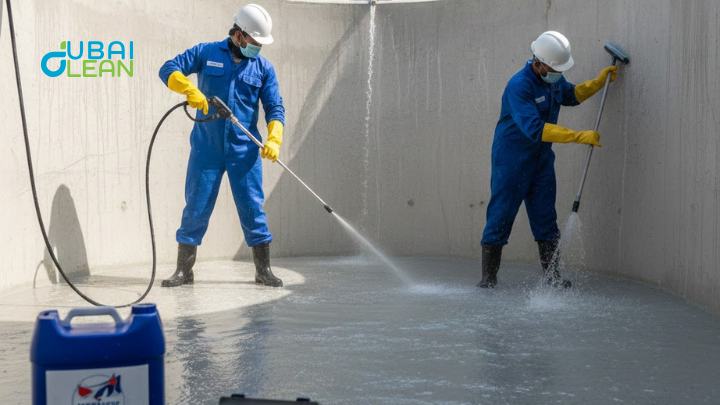
Begin by switching off the inlet and outlet valves. Drain the tank fully – use the bottom drain outlet if one is installed, or manually scoop water out. This crucial step ensures safe and effective cleaning.
2. Inspect the Interior
Once empty, shine a flashlight inside and inspect for sediment, algae, or debris. Take note of any cracks, rust (for metal tanks), or structural damage, these may require professional repair.
3. Remove Visible Debris & Sediment
Using a soft-bristled brush or mop, gently sweep out sludge or deposits. For deeper sediment, a wet vacuum (if available) is useful, but avoid damaging the tank lining.
4. Rinse Thoroughly
Rinse the tank interior with clean, potable water, ideally using a hose designated only for potable water, to wash away loosened sediment and debris. Let fresh water flow through until visibly clear.
5. Disinfection
Prepare a bleach solution: standard advice is approximately 1 part unscented household bleach (5-6% sodium hypochlorite) to 100 parts water. For a typical home tank (~1,000 L), this means:
- About 10 L of tap water mixed with roughly 100 ml bleach.
Spray or pour the solution onto all interior surfaces, ensuring even coverage. Allow it to sit for at least 30 minutes (up to 2 hours for extra assurance).
6. Final Rinse & Refill
After the dwell time, completely rinse the tank with fresh, potable water until no chlorine smell remains. Refill the tank with clean water only once you’re confident it’s fully rinsed.
7. Post-Cleaning Testing (Optional but Advised)
For maximum confidence, check residual chlorine levels (target: 0.2-0.5 mg/L) and consider testing for coliform bacteria using a simple water test kit. If tests are good, you’re all set!
Maintenance Tips for Dubai Homeowners
- Install a fine-mesh screen on tank inlets to keep insects and debris out.
- Keep the tank covered and shaded to reduce algae formation, common under strong sunlight.
- Perform visual checks monthly, especially during hot months.
- Consider adding a small solar-powered aerator to keep water moving and discourage stagnation.
- Schedule full cleanings every six months, pairing with peak seasons (e.g. before summer and winter months).
Table: Quick Reference Cleaning Checklist
| Task | Recommended Frequency |
| Visual tank inspection | Monthly |
| Full clean & disinfection | Every 6 months |
| Post-cleaning water testing | Every cleaning |
| Debris removal & rinse | During each clean |
| Preventative measures (screens/covers) | Install once, monitor monthly |
Health & Safety Considerations
- Avoid strong or scented household cleaners (e.g., detergents or degreasers) they can leave harmful residues.
- Use only food-safe bleach and measure carefully to prevent over-dosing.
- Always work in a well-ventilated area; bleach fumes can be irritating.
- Dispose of rinse water responsibly through proper drains.
- If you’re in a multi-story building, inform maintenance/security before entering the tank room.
Why Following This Method Works
This approach ensures:
- Complete removal of debris and sediment, which can harbor harmful microbes.
- Safe disinfection using standard household bleach, validated by global health authorities.
- Adequately long contact time (30 – 120 minutes) for bleach to inactivate pathogens.
- Clear rinsing to eliminate residual chlorine, protects against taste or health issues.
- Optional testing adds assurance, especially for families, children, or the elderly.
Hidden Risks Avoided by Regular Cleaning
- Bacterial contamination (e.g., E. coli, Legionella) from stagnant water.
- Biofilm formation on walls, which can resist treatment and affect water quality.
- Health hazards from sediment, which can absorb heat and become breeding grounds for microbes.
- Taste and odor deterioration – clean tanks maintain water that’s both safe and palatable.
When to Call Professionals
If any of the following apply, consider engaging a trusted, licensed service like those listed on DubaiClean.com, though this article isn’t an advertisement:
- Structural damage (cracks, leaks, rust) in your tank.
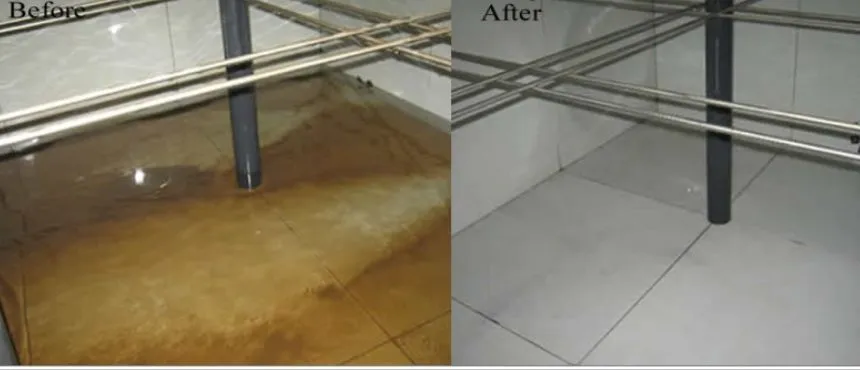
- Deep-set stains or biofilm resistant to brushing and bleach.
- Difficult access (narrow entry, confined space, need for safety harnesses).
- Complex piping or filtration systems requiring expertise.
FAQs
Conclusion
Maintaining a sparkling-clean water storage tank is an investment in your household’s health, especially in Dubai’s challenging climate. By following this systematic approach, draining, scrubbing, disinfecting, rinsing, and testing, you can keep your water safe, fresh, and worry-free. If you prefer to have the job done by a trusted professional, local experts can ensure your tank is cleaned thoroughly and safely.