


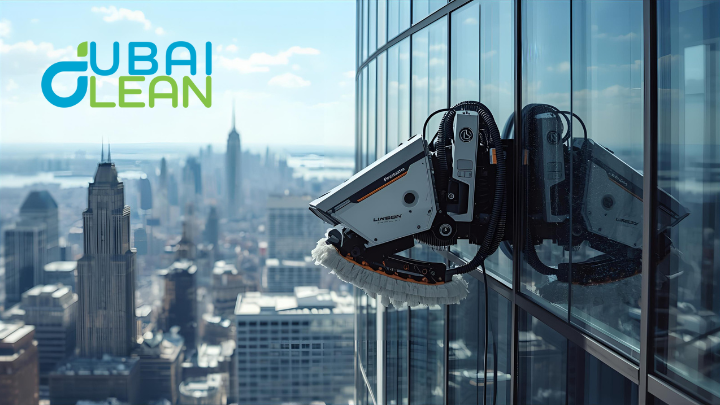
Window cleaning robots have transformed the way we keep windows spotless, especially in high-rise buildings and hard-to-reach areas. These advanced machines can effortlessly climb glass surfaces, clean efficiently, and save significant time and effort compared to traditional methods. Their popularity has grown rapidly as homeowners and businesses seek safer, smarter cleaning solutions.
Despite their convenience, safety remains a top priority. Operating on vertical surfaces or tall structures carries inherent risks, making features like anti-fall sensors and fall arrest ropes essential. In this guide, we’ll explore self-climbing robots, anti-fall technology, and automatic cleaning features to help you choose a reliable and safe solution for both residential and commercial window cleaning.
1. What is a Self-Climbing Window Cleaning Robot?
A self-climbing window cleaning robot is an advanced automated device designed to clean vertical glass surfaces without human intervention. Using smart navigation and powerful cleaning mechanisms, these robots can efficiently climb windows, façades, and glass walls, making them ideal for hard-to-reach or high-rise locations. Most models rely on suction or magnetic systems to maintain stability, while sensors detect edges and obstacles to prevent falls.
These robots are perfect for high-rise buildings, residential windows, and commercial spaces like offices, hotels, and shopping centers. Beyond safety, they save time and effort, deliver consistent cleaning results, and reduce the risks associated with traditional manual window cleaning, providing property owners and facility managers with a convenient and reliable solution.
2. Key Safety Features in Modern Window Cleaning Robots
Safety is a critical consideration when using window cleaning robots, especially on high-rise buildings or large glass façades. Modern robots incorporate multiple safety features to prevent accidents, protect the device, and ensure reliable operation.
Anti-Fall Sensors
Anti-fall sensors are the primary safety mechanism in most window cleaning robots. These sensors detect edges, corners, and obstacles, ensuring that the robot does not move beyond the window surface. Technologies used include infrared sensors, laser sensors, and mechanical edge detectors, which work together to stop the robot or change its direction immediately when a drop is detected. This prevents accidental falls and ensures smooth navigation across the glass surface.
Safety Rope / Fall Arrest Systems
For high-rise operations, many robots come with a backup safety rope or fall arrest system. This acts as an additional safeguard in case the suction or magnetic adhesion fails. The setup is straightforward: the rope is anchored securely to a stable structure, and the robot is attached via a tether. In the unlikely event of a malfunction, the rope prevents the robot from plummeting, protecting both the device and the surroundings below. Regular inspection of the rope and anchor points is crucial for maintaining safety.
Battery & Power Safety
Battery management is another important safety aspect. Most robots have built-in alerts that notify users when the battery is running low, giving the device enough time to return to a safe position. Proper protocols, such as avoiding mid-operation shutdowns and monitoring battery health, prevent sudden drops and ensure uninterrupted cleaning. Users are advised to follow manufacturer guidelines for charging cycles and battery maintenance to maximize safety and performance.
By combining anti-fall sensors, fall arrest systems, and battery safety features, modern window cleaning robots provide a secure, efficient, and worry-free solution for both residential and commercial glass cleaning.
3. How Automatic Window Washer Robots Work
Automatic window washer robots are engineered to clean glass surfaces efficiently and with minimal human intervention. Understanding how these robots operate can help users maximize their effectiveness while ensuring safety.
Motion Patterns: These robots follow programmed motion patterns to cover the entire window surface. Common patterns include vertical, horizontal, and zig-zag movements, which ensure that no area is left uncleaned. Advanced models use smart navigation algorithms and sensors to map the glass surface, detect obstacles, and adjust their path for optimal coverage.
Cleaning Methods: Automatic window cleaners use a combination of microfiber pads, water spray, and cleaning detergents to remove dirt, dust, and grime. Microfiber pads are gentle yet effective, preventing scratches while picking up particles. Some robots also feature dual water tanks for wet and dry cleaning, leaving windows streak-free and shiny.
Integration with Smart Home Systems: Many modern robots can be integrated into smart home ecosystems, allowing users to control and schedule cleaning via mobile apps or voice assistants. This functionality enables automated routines, remote monitoring, and even notifications if the robot encounters an issue during operation.
Maintenance Requirements: To maintain optimal performance, regular maintenance is essential. This includes cleaning the pads, checking sensors, refilling water or detergent tanks, and inspecting safety components like suction or magnetic adhesion. Proper upkeep extends the robot’s lifespan and ensures safe, efficient window cleaning every time.
Automatic window washer robots combine intelligent navigation, effective cleaning methods, and smart technology integration to provide a safe, convenient, and consistent cleaning experience for both residential and commercial applications.
4. Comparing Safety Features: Self-Climbing vs Fall Arrest Robots
Choosing the right window cleaning robot means understanding the differences between self-climbing mechanisms and fall arrest systems. This comparison highlights how each approach works, their benefits, limitations, and which is best suited for residential versus high-rise applications to ensure safe and efficient cleaning.
| Aspect | Details |
| Safety Mechanism Types | 1. Self-climbing technology (suction or magnetic systems)2. Fall arrest systems (safety ropes / backup tethers) |
| Pros of Relying Solely on Suction | Lightweight, easy to operate, quick deployment. Ideal for residential or low- to mid-rise windows. |
| Cons of Relying Solely on Suction | Risk of fall if suction fails due to dirt, surface irregularities, or power loss. |
| Benefits of Fall Arrest Systems | Provides an extra layer of security for high-rise and commercial applications. Prevents catastrophic falls if primary adhesion fails. |
| Trade-offs of Fall Arrest Systems | Slightly longer setup time. Requires secure anchor points. |
| Effectiveness of Anti-Fall Sensors | Detect edges, corners, and sudden surface changes. Example: A high-rise building tested a suction-based robot with infrared sensors, resulting in zero falls or accidents. |
| Recommendations – Residential Use | Lightweight self-climbing robots with reliable suction and anti-fall sensors are sufficient. Occasional supervision advised. |
| Recommendations – Commercial / High-Rise Use | Robots with both self-climbing mechanisms and fall arrest ropes are recommended to maximize safety and prevent property damage. |
| Key Takeaway | Understanding the strengths and limitations of each safety approach helps choose the right robot based on building height, window type, and operational risk for secure and efficient cleaning. |
5. Choosing the Right Window Cleaning Robot for Safety
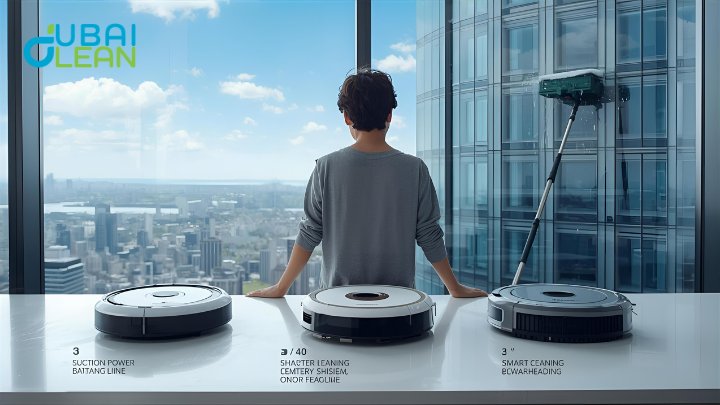
Selecting the right window cleaning robot requires careful consideration of several key factors to ensure both effective cleaning and maximum safety.
Window Height and Material
The first factor to consider is the height and type of windows. High-rise windows or large glass façades require robots with strong suction or magnetic adhesion, as well as backup safety systems like fall arrest ropes. For standard residential windows, lighter models with reliable edge detection and anti-fall sensors may be sufficient. Additionally, glass typetempered, laminated, or coated can influence the choice of cleaning pads and suction strength.
Robot Weight and Suction Power
A robot’s weight and suction power are critical for stability. Heavier robots with strong suction can securely adhere to vertical surfaces, reducing the risk of detachment. However, extremely heavy robots may be harder to handle and require stronger mounting points for fall arrest ropes in high-rise applications. Choosing a balance between weight and suction is essential for safe and efficient operation.
Battery Life and Cleaning Area Coverage
Long battery life ensures the robot can clean large areas without interruption. Check the cleaning coverage per charge, especially for commercial spaces or tall buildings. Some models come with low-battery alerts that guide the robot back to a safe position before power runs out, further enhancing safety.
Certification Standards and Warranty
Always verify whether the robot meets relevant safety certifications and standards. Certifications indicate that the device has passed rigorous safety tests. Additionally, a robust warranty ensures support in case of technical issues or component failures, providing peace of mind for long-term usage.
Recommended Models (Informational)
While avoiding a sales push, it is helpful to know that reputable robots typically include:
- Models with dual anti-fall sensors for edge detection.
- Devices equipped with backup safety ropes or tethers.
- Robots capable of smart navigation and large-area coverage.
- Units with replaceable microfiber pads and easy maintenance features.
By carefully evaluating these factorswindow height, robot weight, battery life, certifications, and coverage users can choose a window cleaning robot that not only cleans efficiently but also ensures safety in every operation.
6. Maintenance and Best Practices for Safe Operation
Proper maintenance and following safety practices are key to maximizing the performance and lifespan of window cleaning robots. Regularly inspecting and cleaning microfiber pads, sensors, and magnetic or suction plates ensures optimal cleaning efficiency and prevents slips or falls. For robots equipped with fall arrest ropes or tether systems, checking that ropes are intact, anchors are secure, and attachment points are functioning correctly adds an extra layer of safety.
It’s also important to avoid extreme weather conditions, as strong winds, heavy rain, or extreme temperatures can affect adhesion and sensor performance. For longevity, store the robot in a cool, dry place, dry the pads, empty water tanks, and disconnect power sources when not in use. By following these routines, users can maintain safe, efficient operations while extending the life of their robotic window cleaners.
7. Conclusion
Safety is a paramount consideration in robotic window cleaning, especially when dealing with high-rise buildings or hard-to-reach glass surfaces. Modern window cleaning robots combine advanced technologies such as anti-fall sensors, self-climbing mechanisms, and fall arrest systems to ensure both effective cleaning and risk-free operation.
When selecting a robot, it is essential to prioritize models equipped with backup safety features and reliable navigation systems. This not only protects your property and surroundings but also provides peace of mind during every cleaning task.
By choosing the right robot and following proper maintenance and safety practices, you can enjoy the convenience of automated window cleaning without compromising security. Stay safe while keeping your windows sparkling with modern robotic solutions.