


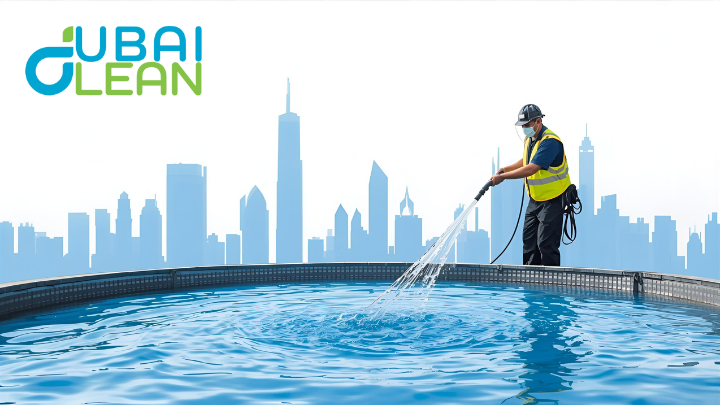
Clean and safe drinking water is essential for a healthy life, whether at home, in the workplace, or in commercial facilities. However, when water is stored in tanks or passes through poorly maintained systems, it can become contaminated and pose serious health risks.
Potable water hygiene services play a critical role in preventing such issues. Regular cleaning, disinfection, and maintenance of tanks and distribution systems protect water quality and reduce the risk of harmful bacteria such as E. coli, Salmonella, and Legionella, which can cause anything from mild stomach problems to severe illnesses like Legionnaires’ disease.
1. Understanding Potable Water Hygiene Services
Potable water is water that is safe for human consumption, free from harmful bacteria, chemicals, and pollutants, but keeping it safe requires strict hygiene standards especially in storage tanks and building systems. Without regular cleaning and monitoring, even clean water can become unsafe due to bacterial growth, sediment buildup, or contamination. Health and safety regulations mandate proper maintenance to prevent waterborne diseases, making professional water hygiene services essential. With trained technicians, advanced cleaning methods, and specialized disinfection solutions, these experts go beyond basic cleaning by conducting risk assessments, testing water quality, and implementing preventive measures to ensure a consistent supply of safe, compliant drinking water.
2. Bacteria in Water Storage Tanks
Poorly maintained water tanks can become breeding grounds for harmful bacteria, posing serious health risks if not properly cleaned and disinfected.
Common Types of Harmful Bacteria
When water storage tanks are not cleaned and maintained properly, they can become ideal environments for bacterial growth. The most concerning are E. coli, Salmonella, and Legionella. E. coli and Salmonella usually indicate fecal contamination and are linked to severe gastrointestinal illnesses, while Legionella thrives in stagnant, warm water and causes Legionnaires’ disease, a dangerous respiratory infection.
Serious Health Risks of Contaminated Water
Contaminated water affects more than just short-term health. It can cause food poisoning, digestive complications, or respiratory problems. Vulnerable groups such as children, the elderly, and people with weakened immune systems face a higher risk of severe outcomes, making safe water essential for every household and facility.
Warning Signs of Unsafe Water Tanks
There are clear indicators that a water tank may no longer be safe for use. Signs include unpleasant odors, cloudy or discolored water, visible sediment, or slimy residue inside the tank. In some cases, occupants may experience recurring illnesses or skin irritations after contact with contaminated water, highlighting the need for urgent cleaning and disinfection.
3. Legionella Prevention and Control
What is Legionella and Why It’s Dangerous: Legionella is a type of bacteria that thrives in warm, stagnant water typically found in poorly maintained storage tanks, pipelines, and cooling systems. It poses a serious health risk because exposure to contaminated water droplets can cause Legionnaires’ disease, a severe form of pneumonia that can be life-threatening if not treated promptly.
How Legionnaires’ Disease Spreads: Legionnaires’ disease spreads through the inhalation of tiny water droplets (aerosols) that contain Legionella bacteria. This can happen through showers, taps, air conditioning systems, or even decorative fountains. Since the illness does not spread person-to-person, contaminated water systems are the primary source of infection.
Effective Strategies for Prevention: Preventing Legionella growth requires consistent and effective management. Regular cleaning and disinfection of water storage tanks eliminate conditions where bacteria thrive. Maintaining proper water temperatures keeping cold water below 20°C and hot water above 50°C significantly reduces the risk, as Legionella grows best in lukewarm environments. Biocides and other approved disinfection treatments further ensure bacteria are controlled before spreading.
Role of Professional Risk Assessments: Professional Legionella risk assessments are vital for residential, commercial, and industrial facilities. Certified experts conduct inspections, test water samples, and identify high-risk areas in the system. By applying tailored preventive measures, they help property owners remain compliant with health regulations while ensuring occupant safety.
4. Drinking Water Tank Cleaning and Sanitization
- Step-by-step cleaning process
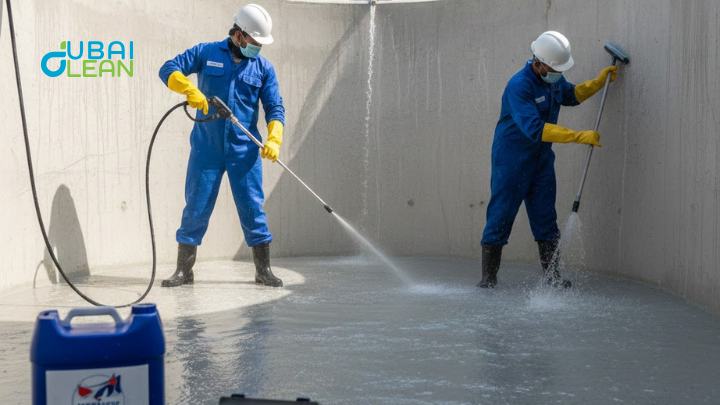
- Draining the tank completely.
- Mechanical scrubbing to remove dirt, scale, and biofilm.
- Disinfection with biocide treatments to kill bacteria and prevent regrowth.
- Final rinsing and refilling with clean, safe water.
- Importance of dual cleaning
- Mechanical cleaning removes visible dirt.
- Disinfectants penetrate microscopic layers to eliminate hidden bacteria and pathogens.
- Ensures tanks are truly safe, not just visibly clean.
- Professional vs. DIY cleaning
- Professionals use advanced equipment, eco-friendly chemicals, and proven techniques.
- Water quality testing confirms safety before use.
- DIY cleaning often lacks thoroughness and effectiveness.
- Benefits of regular professional maintenance
- Prevents corrosion, scale buildup, and bacterial contamination.
- Extends the lifespan of the water tank.
- Guarantees consistently fresh, clear, and safe drinking water in homes, offices, and commercial facilities.
5. Preventive Maintenance Practices
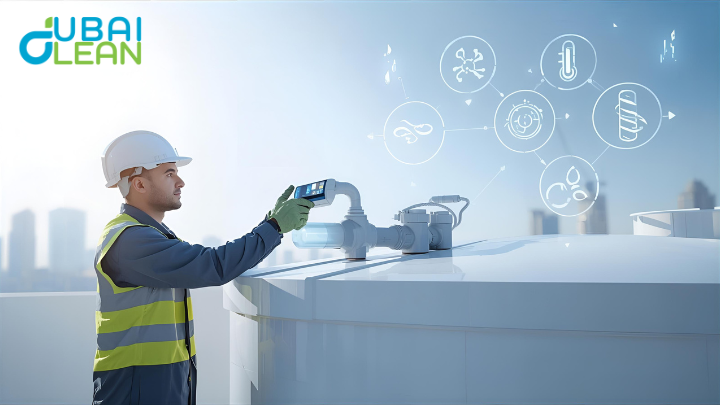
Maintaining potable water quality is an ongoing responsibility that requires regular cleaning and monitoring. Residential tanks should be cleaned at least once or twice a year, while commercial and industrial facilities often need quarterly maintenance due to higher usage and stricter compliance requirements. Routine testing of microbiological and chemical levels is equally important, as it helps detect early signs of contamination and ensures timely corrective action.
Best practices such as sealing tanks to block debris, maintaining proper circulation, and keeping hot and cold water at safe temperatures are essential to prevent bacterial regrowth, including Legionella. Using safe, eco-friendly disinfectants further ensures that cleaning eliminates harmful bacteria without leaving toxic residues protecting both human health and the environment.
6. Why Choose Expert Water Hygiene Services in Dubai
Addressing Dubai’s Unique Challenges
Dubai’s hot climate and reliance on storage tanks make water systems more prone to bacterial growth. Expert hygiene services ensure these challenges are managed with the right knowledge and techniques.
Professional Equipment and Expertise
Certified specialists use advanced tools such as mechanical cleaning machines, eco-friendly disinfectants, and water testing kits. Their training ensures safe handling of complex systems in full compliance with local regulations.
Tailored Solutions for Every Property
From villas and apartment complexes to hotels and commercial buildings, each property has unique water system needs. Professional providers customize their cleaning and sanitization plans to deliver efficient, cost-effective results.
Peace of Mind and Safety
By relying on trusted local experts, property owners and managers can rest assured that their drinking water is consistently safe, hygienic, and maintained to the highest standards.
7. Conclusion
Potable water hygiene is essential for safeguarding health and ensuring access to clean, safe drinking water in homes, offices, and commercial spaces. Without proper care, storage tanks can become breeding grounds for harmful bacteria like E. coli, Salmonella, and Legionella, putting entire communities at risk of waterborne illnesses.
Regular tank cleaning and professional maintenance are the most effective ways to keep water systems safe and compliant with health standards. By combining mechanical cleaning, disinfection, and preventive practices, experts not only protect water quality but also extend the life of storage systems.
Don’t compromise on something as vital as drinking water. For complete peace of mind, contact trusted potable water hygiene specialists in Dubai to ensure your tanks and water systems remain clean, safe, and reliable. Investing in professional services today means healthier living and working environments tomorrow.