


Water storage tanks are essential for delivering a reliable supply of clean water in homes, businesses, and industries. From underground and GRP tanks to industrial reservoirs and overhead systems, regular maintenance is crucial to preserve water quality. Clean water is not only vital for drinking but also for cooking, cleaning, industrial use, and safeguarding public health.
Neglecting tank cleaning can quickly turn these systems into breeding grounds for bacteria, algae, and biofilm. Over time, sludge and debris accumulate, causing foul odors, contamination, and even structural damage. This not only threatens health by spreading waterborne diseases but also reduces the efficiency and lifespan of the storage system.
1. Understanding Underground Tank Desludging
Learn how underground tank desludging removes sludge, sediments, and contaminants to ensure safe, clean water and maintain tank efficiency.
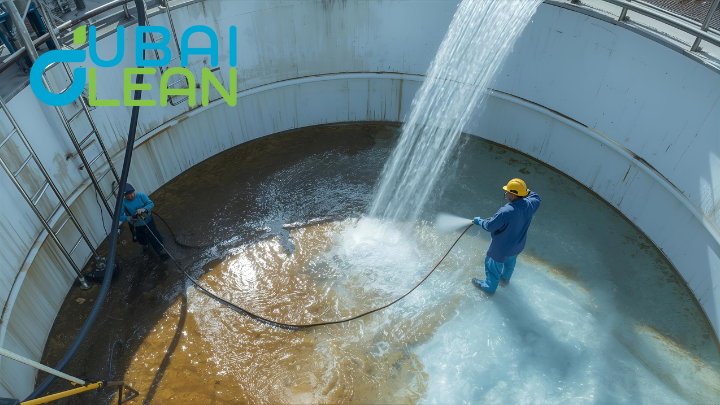
Underground tank desludging is the process of removing accumulated waste, sediments, and organic matter that settle at the bottom of underground water tanks over time. Unlike overhead tanks, underground systems are more prone to sludge buildup because they are often harder to access and less frequently cleaned. The desludging process typically involves draining the tank, mechanically removing the sludge, thoroughly washing the interior, and disinfecting the surfaces to restore safe water storage conditions.
What is Underground Tank Desludging?
Underground tank desludging is the process of removing accumulated waste, sediments, and organic matter that settle at the bottom of underground water tanks over time. Unlike overhead tanks, underground systems are more prone to sludge buildup because they are often harder to access and less frequently cleaned. The desludging process typically involves draining the tank, mechanically removing the sludge, thoroughly washing the interior, and disinfecting the surfaces to restore safe water storage conditions.
Common Problems in Underground Tanks
Underground tanks face unique challenges that can compromise water safety and system performance:
- Sludge buildup: Soil, sand, and organic waste settle at the base, reducing storage capacity.
- Bacterial growth: Dark, damp environments encourage harmful bacteria and pathogens.
- Sedimentation: Mineral deposits can accumulate, clogging pipes and disrupting flow.
If left untreated, these issues can lead to contaminated water and costly repairs.
Why Desludging is Essential for Underground Tanks
Health Risks of Contaminated Water: Contaminated tanks are a direct threat to public health. Bacteria like E. coli and harmful parasites thrive in sludge-filled tanks, causing serious illnesses such as diarrhea, typhoid, and cholera. Clean, disinfected tanks are essential to prevent waterborne diseases and ensure safe consumption.
Impact on Water Quality and Distribution Systems: Sludge and sediment not only degrade water quality but also strain pumps, filters, and pipelines. Poor water flow, foul odors, discoloration, and frequent equipment breakdowns are all signs of neglected tank maintenance. Regular desludging extends the lifespan of storage systems and improves water efficiency.
Professional Methods for Desludging
Mechanical Pumping and Sludge Removal: Specialized suction pumps are used to extract accumulated sludge and debris from the tank base, ensuring a complete clean-out without damaging the structure.
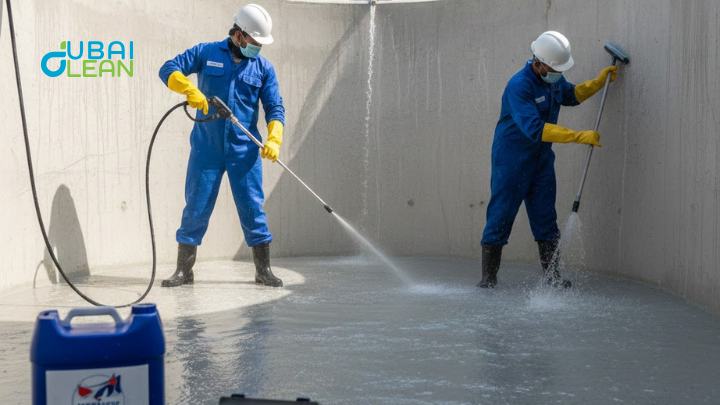
High-Pressure Jet Cleaning: After sludge removal, high-pressure water jets scrub the interior walls and floor, dislodging stubborn deposits, grease, and biofilm that cannot be removed by suction alone.
Safe Disposal of Sludge as per Regulations: Professional services ensure that sludge and waste are disposed of safely in compliance with municipal and environmental guidelines. This prevents secondary contamination and maintains sustainable waste management practices.
2. GRP Tank Maintenance Solutions
Discover effective GRP tank maintenance tips, including cleaning, crack repairs, and algae prevention to ensure safe and durable water storage.
What are GRP Tanks?
Glass Reinforced Plastic (GRP) tanks are a widely used water storage solution known for their durability, lightweight design, and resistance to corrosion. Constructed from fiberglass reinforced with resin, these tanks are strong enough to withstand pressure and harsh environments while remaining easy to install. Their adaptability makes them suitable for residential, commercial, and industrial applications where long-term water storage is required.
Benefits and Popularity in Residential and Commercial Setups: GRP tanks are especially popular in regions like Dubai due to their ability to resist extreme temperatures, humidity, and chemical exposure. Homeowners prefer them for their low maintenance needs and hygienic storage, while businesses rely on them for large-scale water supply and compliance with health standards. Their long lifespan and cost-effectiveness make them a practical choice compared to traditional steel or concrete tanks.
Common Issues in GRP Tanks
Cracks, Leaks, and Structural Weakness: Over time, even durable GRP tanks may develop cracks or leaks due to heavy usage, poor installation, or extreme weather conditions. Small cracks can expand if ignored, leading to water wastage and contamination.
Biofilm and Bacterial Growth: Like other tanks, GRP systems are prone to biofilm accumulation. The slippery layer of microorganisms inside the tank can compromise water quality, reduce hygiene standards, and pose serious health risks.
Algae Contamination in Hot Climates: In warm environments, GRP tanks are vulnerable to algae growth, especially if exposed to sunlight. Algae not only affects the taste and odor of stored water but can also clog pipes and filtration systems.
Effective Maintenance Practices
Regular Inspection Schedules: Routine checks for cracks, leaks, and signs of contamination help in early detection and prevent costly repairs. Scheduled inspections every six to twelve months are recommended.
Internal and External Cleaning Techniques: Professional cleaning services typically use high-pressure washing, scrubbing, and safe disinfectants to remove biofilm, algae, and debris from both the interior and exterior surfaces of the tank.
Repairing Cracks and Protective Coatings: Specialized sealants and coatings are applied to repair damage and protect GRP tanks from further wear and tear. Applying protective linings also helps in preventing algae growth and bacterial colonization.
3. Industrial Reservoir Cleaning
Explore industrial reservoir cleaning methods, including desludging, disinfection, and advanced techniques to ensure safe, efficient, and compliant water storage.
Importance of Cleaning Industrial Reservoirs
Industrial reservoirs store vast amounts of water for production, cooling, and daily operations. If not cleaned regularly, contaminants can accumulate, causing equipment damage, operational disruptions, and costly downtime. Routine cleaning keeps systems running smoothly and prevents financial losses.
Clean reservoirs are also vital for meeting health and safety standards. Without proper maintenance, they can harbor harmful microorganisms, sludge, and chemicals that make water unsafe. Regular cleaning safeguards employees, protects products, and ensures compliance with regulatory requirements.
Challenges in Industrial Tank Cleaning
Industrial reservoirs are large and complex, making manual cleaning difficult and sometimes unsafe. They often contain oil, grease, chemical residues, and heavy sediments, which require specialized equipment and advanced cleaning methods to restore water quality without damaging the tank lining.
Advanced Cleaning Techniques
Modern industrial reservoir cleaning often uses robotic systems, which can navigate hard-to-reach areas, scrub surfaces, and remove deposits without fully draining the tank. High-capacity vacuum and filtration equipment efficiently eliminate sludge, oil, and solids, reducing water waste and speeding up the process. After cleaning, reservoirs undergo disinfection with approved chemicals to kill bacteria and biofilm, followed by anti-corrosion treatments and protective coatings to extend the tank’s lifespan and prevent future contamination.
4. Overhead Tank Biofilm Removal
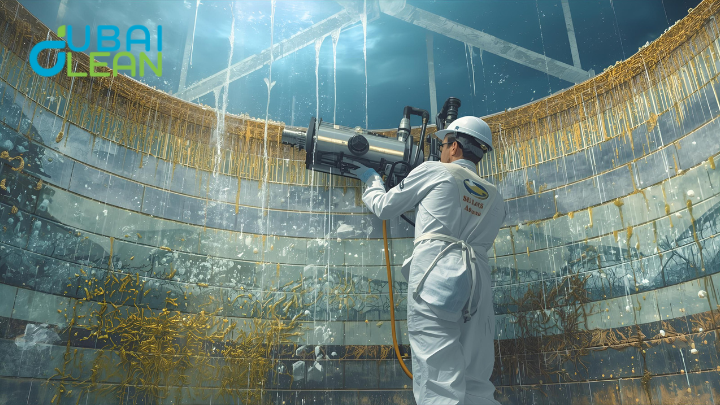
Overhead tank biofilm is a thin, sticky layer of microorganisms that forms inside water tanks when moisture, nutrients, and bacteria accumulate. If left untreated, it can harbor harmful pathogens like Legionella, contaminate water, and cause unpleasant tastes, odors, and discoloration. Signs of biofilm include slippery tank surfaces, cloudy or foul-smelling water, and reduced flow due to clogged pipes and filters. Effective removal involves mechanical scrubbing and high-pressure jet washing to clean tank walls, followed by safe chlorination or biocide treatments to kill remaining bacteria. For long-term hygiene, protective coatings are applied to prevent regrowth and maintain clean, safe water.
5. Conclusion
Maintaining clean and safe water storage systems is essential for protecting health, improving efficiency, and extending the life of tanks and reservoirs. From underground tank desludging that removes harmful sludge and sediment, to GRP tank maintenance ensuring durability and hygiene, to industrial reservoir cleaning that keeps large-scale operations compliant and efficient, and overhead tank biofilm removal that safeguards water quality each process plays a critical role in water safety.
Neglecting these maintenance practices can lead to contamination, structural damage, and serious health risks. Regular professional cleaning ensures that water remains fresh, tanks remain strong, and distribution systems perform at their best.
For long-term reliability, it’s always best to rely on DubaiClean that follow advanced methods, meet safety regulations, and deliver lasting results. A clean tank means cleaner water, better health, and peace of mind for households, businesses, and industries alike.