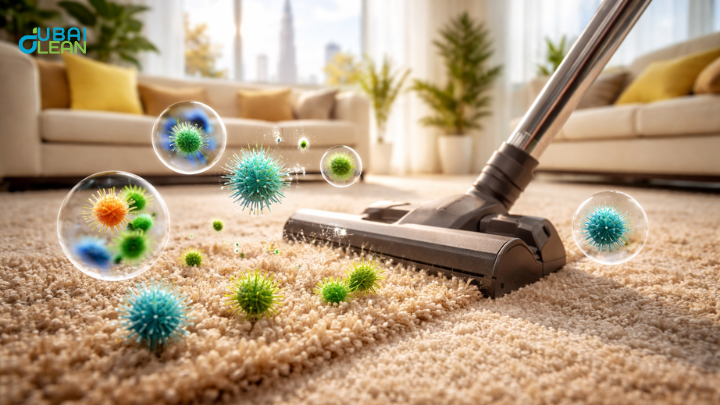



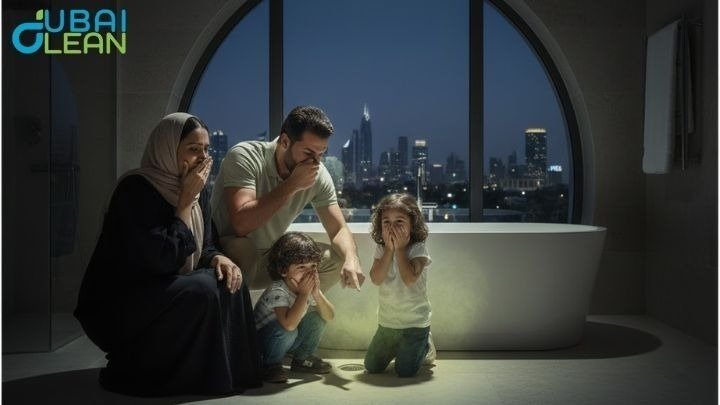
Aerosolized pathogens in building pipes are a hidden but serious health risk, capable of spreading bacteria and viruses throughout water systems. For Dubai residents, facilities managers, and commercial property owners, understanding these risks is crucial to maintaining safe and healthy environments. Proper cleaning and disinfection of water pipes not only minimizes the chances of contamination but also ensures that disinfectants work effectively to protect public health. Regular pipe maintenance and scientifically backed disinfection protocols are essential for reducing exposure to harmful microorganisms.
1. Understanding Aerosol Risks in Pipe Systems
Aerosols are tiny liquid or solid particles: suspended in the air, which can form in water and plumbing systems during activities like flushing, pressurized water flow, or pipe cleaning. These microscopic droplets can carry bacteria, viruses, and other contaminants, allowing pathogens to spread beyond the pipes themselves and into the surrounding environment. In building water systems, especially in high-rise apartments and commercial complexes common in Dubai, aerosols can accumulate in poorly ventilated areas, increasing the risk of exposure for residents and maintenance personnel.
Pipes can harbor a wide range of pathogens: and contaminants, including Legionella, E. coli, and Pseudomonas, as well as biofilms that protect microorganisms from disinfectants. Sediment buildup, stagnant water, and irregular maintenance further exacerbate the risk, creating ideal conditions for microbial growth. Experts from Dubai Municipality’s public health department emphasize that unchecked contamination in plumbing systems is a major source of waterborne illness and can compromise both residential and commercial water safety.
The health implications of aerosolized pathogens: are significant. Exposure can lead to respiratory infections, gastrointestinal issues, and other serious health problems, particularly for vulnerable populations such as children, the elderly, or immunocompromised individuals. Cross-contamination between pipes and building surfaces can further increase these risks. Following evidence-based guidelines from the World Health Organization (WHO) and Dubai health authorities for proper pipe cleaning and disinfection is therefore essential to safeguard public health and ensure safe water systems throughout the city.
2. Key Factors Affecting Disinfectant Efficacy
Proper disinfectant application is crucial for ensuring water pipe safety in Dubai. The effectiveness of cleaning depends not only on the type of disinfectant used but also on factors like water temperature, flow rate, pipe material, and contact time. Understanding these elements helps facilities managers and property owners maximize disinfection results while minimizing health risks.
Types of Disinfectants
Several disinfectants are commonly used for pipe systems, each with specific benefits. Chlorine is widely favored for its strong antimicrobial properties and cost-effectiveness, while ozone offers rapid oxidation and is ideal for sensitive water systems. Peracetic acid is another effective option, particularly for biofilm removal, providing broad-spectrum pathogen control without leaving harmful residues. Selecting the right disinfectant depends on pipe material, water quality, and the type of contaminants present.
Environmental and Application Factors
The efficacy of disinfectants is influenced by water temperature, flow rate, and the materials used in pipes. Higher temperatures can enhance chemical activity but may also accelerate degradation of certain disinfectants. Flow rate affects how evenly the disinfectant spreads throughout the system, while pipe materials like PVC, copper, or steel can interact differently with chemicals.
3. Proven Methods to Reduce Aerosol Generation
Reducing aerosol generation during pipe cleaning is essential to protect both residents and maintenance teams from airborne pathogens. Implementing proper protocols, using specialized equipment, and following safety measures can significantly minimize the risk of contamination. Dubai facilities managers and property owners can benefit from adopting proven strategies that combine efficiency with health safety.

| Method | Description | Benefits | EEAT/YMYL Reference |
| Flushing & Cleaning Protocols | Pre-cleaning pipes by flushing out debris and stagnant water before disinfectant application. | Reduces microbial load, ensures disinfectant reaches all areas. | Dubai Municipality water safety guidelines; WHO pipe cleaning recommendations |
| Closed-System Cleaning | Using sealed systems or specialized equipment to prevent aerosols from escaping during cleaning or disinfection. | Minimizes airborne pathogens, protects workers and residents. | Recommended by environmental health experts and UAE occupational safety authorities |
| Personal Protective Equipment (PPE) | Proper use of masks, gloves, and protective clothing for maintenance personnel. | Protects staff from exposure to aerosols and chemical disinfectants. | OSHA guidelines and Dubai public health authority safety protocols |
4. Step-by-Step Pipe Disinfection Process in Dubai
Ensuring safe and effective pipe disinfection in Dubai requires a structured, step-by-step approach. Proper preparation, thorough cleaning, correct disinfectant application, and post-cleaning monitoring are all critical to maintaining water quality and minimizing health risks. Following professional guidelines not only protects residents and staff but also maximizes disinfectant efficacy while complying with local health regulations. Implementing these steps systematically ensures long-term safety and reliability of water systems in residential and commercial properties.
- Preparation: Assess the pipe system, check water quality, and identify potential contamination points.
- Isolation: Shut off water supply to affected sections and ensure safe access for maintenance personnel.
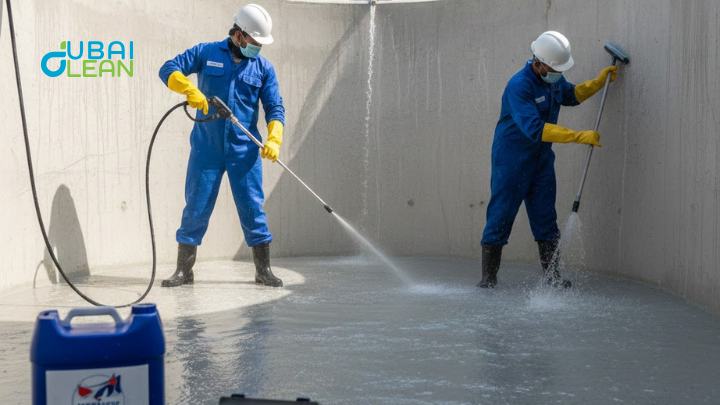
- Mechanical Cleaning: Remove debris, sediment, and biofilm buildup using brushes, swabs, or specialized tools.
- Disinfection: Apply the appropriate disinfectant at the correct concentration, ensuring sufficient contact/dwell time.
- Verification: Test disinfectant residuals to confirm proper coverage and pathogen inactivation.
- Post-Cleaning Monitoring: Conduct water quality tests for microbial presence and chemical levels.
- Documentation: Record all procedures, test results, and safety measures for compliance and future reference.
5. Regular Maintenance & Monitoring for Long-Term Safety
Regular maintenance and continuous monitoring are essential to ensure long-term safety and efficiency of pipe systems in Dubai’s unique climate. Scheduling pipe cleaning at appropriate intervals prevents sediment buildup and microbial growth, while ongoing water quality checks help detect contaminants before they pose health risks. Maintaining detailed records of cleaning schedules, water tests, and safety inspections not only supports compliance with Dubai Municipality regulations but also provides a reliable reference for audits, ensuring both residents and commercial occupants enjoy safe, clean, and well-maintained water systems.
Conclusion
In conclusion, reducing aerosol risks and maximizing disinfectant efficacy in water pipes is critical for protecting the health and safety of residents and building occupants in Dubai. Regular professional assessment and maintenance ensure that pipes remain clean, disinfectants work effectively, and potential contamination is minimized. Following trusted guidelines from Dubaiclean Municipality, certified cleaning services, and the World Health Organization (WHO) not only safeguards public health but also builds confidence that your water systems are being managed according to the highest safety standards.