


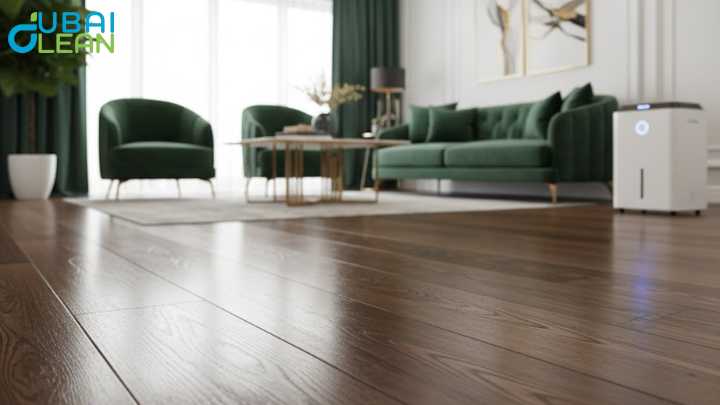
Wooden floor swelling and expansion is a common issue in Dubai homes caused by humidity, moisture, and temperature fluctuations, which can compromise the structural integrity of your floors. Ignoring these signs can lead to costly repairs, safety hazards, and reduced home value, making early prevention essential. This article shares research-backed solutions to prevent wooden floor swelling, helping homeowners maintain durable, safe, and long-lasting floors.
1. Understand Wooden Floor Swelling
Wooden floors naturally expand and contract due to moisture, humidity, and seasonal temperature changes, and improper installation can worsen these effects. In Dubai’s humid climate, even minor water exposure from AC condensation or leaks can cause noticeable swelling. Understanding the causes helps homeowners take proactive steps to prevent wooden floor swelling before serious damage occurs.
Different types of wood react differently to moisture, with softwoods like pine being more prone to expansion than hardwoods like oak or teak. Engineered wooden floors offer better stability, but they are not immune to Dubai’s climate challenges. Choosing the right wood type and installation method is key to maintaining durable floors over time.
Studies show that in humid regions, up to 30% of wooden floor damages result from swelling and expansion, often leading to costly repairs if ignored. Regular inspections and proper maintenance can significantly reduce these risks. For more guidance, see our article on [wooden floor maintenance in Dubai] to keep your floors stable and long-lasting.
2. Common Signs of Swelling and Expansion
Wooden floors that swell often show visible warping, gaps between planks, buckling, or unusual squeaking when walked on. These signs indicate that the wood is reacting to moisture or improper installation. Early detection helps prevent costly repairs and maintains home safety and structural integrity.nance or safety guidelines.
| Sign of Swelling / Expansion | Recommended Action |
| Warping or uneven boards | Inspect moisture levels; adjust humidity; call a professional if severe |
| Gaps between planks | Monitor regularly; use floor spacers if minor; consult installer for major gaps |
| Buckling or raised sections | Stop foot traffic; reduce moisture exposure; hire certified flooring expert |
3. Causes Specific to Dubai Homes
Dubai’s hot and humid climate plays a major role in wooden floor swelling and absorbing, as high moisture levels cause wood fibers to expand. Seasonal temperature fluctuations further stress the flooring, leading to warping or gaps between planks. Homeowners often underestimate how much the local climate affects wooden materials. Understanding these environmental factors is the first step to prevent wooden floor swelling and protect your home investment.
Indoor moisture sources also contribute significantly, including AC condensation, plumbing leaks, and poor ventilation. Improper installation, such as insufficient spacing or using untreated wood, can accelerate expansion. Even small errors during installation can lead to long-term damage in Dubai’s climate. Visual aids, like diagrams of wood expansion under high humidity, help homeowners identify potential problem areas early.
4. Prevention Strategies for Durable Wooden Floors
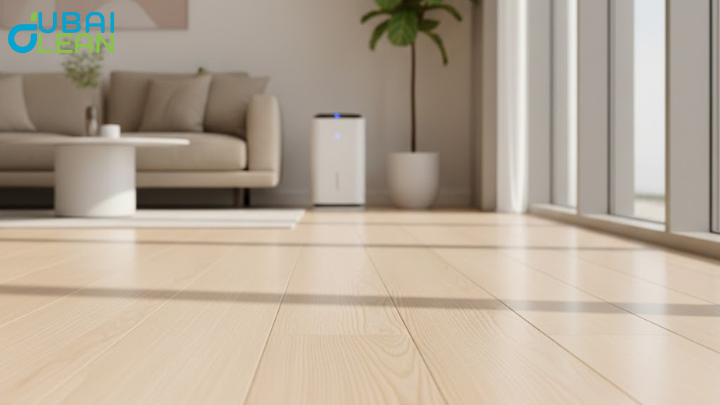
Maintaining durable wooden floors in Dubai requires proactive measures to control moisture and prevent swelling. Proper humidity management using AC and dehumidifiers, combined with good ventilation, keeps wood stable year-round. Applying moisture-resistant finishes and sealants protects floors from accidental spills and condensation. Additionally, professional installation, regular inspections, and adherence to local building codes ensure long-lasting, safe, and attractive flooring.
- Monitor indoor humidity levels and maintain consistent climate control.
- Use dehumidifiers during Dubai’s humid summer months to reduce moisture absorption.
- Ensure proper ventilation in kitchens, bathrooms, and laundry areas.
- Apply high-quality moisture-resistant finishes or sealants on all wooden floors.
- Allow wood to acclimatize before installation to prevent expansion post-installation.
- Maintain correct spacing between planks as per professional installation standards.
- Schedule routine inspections for early detection of warping or gaps.
- Repair minor leaks and address water damage promptly to avoid long-term swelling.
- Follow Dubai Municipality building regulations and industry flooring standards for safety and durability.
5. Solutions if Swelling Already Occurs
When wooden floors begin to swell, identifying whether the issue is minor or major is essential to avoid further damage. Minor warping or small gaps may be addressed safely at home, but significant buckling or persistent swelling requires professional evaluation. Ignoring the problem can lead to slips, structural risks, and costly repairs in your Dubai home.
- Apply gentle pressure and use moisture control to reduce minor warping.
- Avoid walking on severely buckled or raised planks to prevent accidents.
- Contact certified flooring experts for major repairs or replacements.
For minor swelling, homeowners can use temporary solutions like dehumidifiers, stabilizing boards, or adjusting indoor humidity. These measures help prevent further expansion while maintaining floor safety. Additionally, addressing minor moisture sources promptly and monitoring the floor regularly can stop the problem from escalating and extend the lifespan of your wooden floors.
Conclusion
Maintaining wooden floors in Dubai requires vigilance and expert guidance to prevent swelling and ensure long-lasting durability. Proactive maintenance such as regular inspections, humidity control, and proper sealing protects your home from costly repairs and safety hazards. Trusted sources like Dubai Clean provide research-backed insights and practical advice to help homeowners preserve the beauty, stability, and safety of their wooden floors, ensuring a comfortable and durable living environment.