


In busy Dubai restaurants, high footfall increases the risk of contamination, making kitchens and dining areas hotspots for foodborne illnesses that can harm customers and damage a restaurant’s reputation. Key dining districts like Downtown, Marina, and Jumeirah see thousands of diners daily, making strict hygiene essential. Compliance with Dubai Municipality standards ensures customer safety, avoids fines, and builds trust, while proactive cleaning helps restaurant owners protect patrons, maintain smooth operations, and safeguard their business.
1. Understanding Foodborne Illness in Restaurants
Foodborne illnesses are a serious concern for restaurants, especially those with high footfall. Contamination can occur through bacteria, viruses, mold, and other pathogens that thrive on improperly cleaned surfaces, food prep areas, and high-traffic zones. Common culprits like Salmonella, E. coli, Listeria, and norovirus can spread quickly if hygiene practices are not rigorously followed. In busy Dubai restaurants, risks are higher in areas such as buffet counters, kitchen prep stations, shared utensils, and food delivery packaging, where frequent handling and high turnover can introduce bacteria and increase cross-contamination.
The health consequences for customers range from mild symptoms like nausea, vomiting, and diarrhea to severe cases requiring hospitalization, with vulnerable groups children, the elderly, and immunocompromised individuals at greater risk. Maintaining a clean and hygienic environment is not only a regulatory requirement but also essential for protecting public health and building customer trust.
2. How High Footfall Contributes to Hygiene Issues
High customer traffic in Dubai restaurants does more than boost sales, it also accelerates hygiene challenges. With hundreds or thousands of diners moving through dining areas, lobbies, and restrooms daily, dirt, spills, and bacteria spread rapidly across surfaces. Every touchpoint table, chairs, door handles, buffet stations, and shared condiment dispenser can become a source of contamination if not cleaned thoroughly and frequently. This issue is particularly significant in high-footfall districts like Downtown Dubai and Dubai Marina, where constant customer flow increases the risk of hygiene lapses.
Hidden contamination risks further complicate the problem. AC ducts and ventilation systems can circulate dust and microbes, while kitchen corners, storage areas, and the undersides of equipment often accumulate grease and organic matter where bacteria thrive. Restrooms and even dining area carpets can harbor germs that daily cleaning may miss. Recognizing these dangers, Dubai Municipality conducted nearly 34,700 food safety inspections in the first half of 2025 alone to enforce compliance with health regulations. Without effective deep cleaning strategies, contamination can accumulate unnoticed, increasing restaurant contamination risks in Dubai and threatening both customer health and business reputation.
3. The Role of Deep Cleaning in Preventing Illness
Deep cleaning eliminates hidden bacteria, mold, and contaminants in kitchens, dining areas, AC ducts, and restrooms, reducing the risk of foodborne illnesses. It ensures compliance with Dubai health regulations, protects customers, and safeguards a restaurant’s reputation in high-footfall environments.
What Deep Cleaning Covers in Restaurants
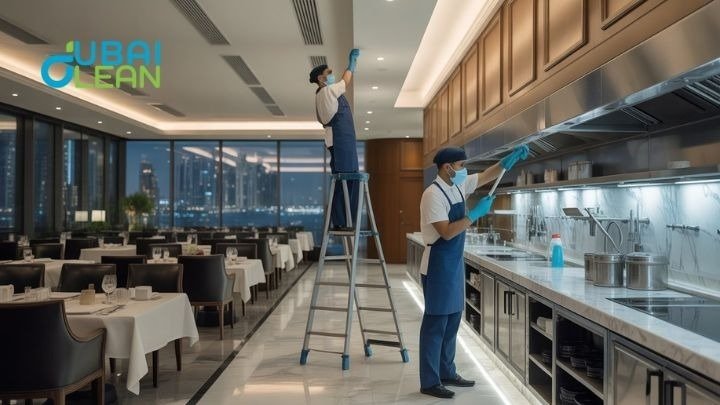
Deep cleaning goes beyond daily sanitation, targeting every corner of busy Dubai restaurants. Professional services focus on floors, kitchen equipment, AC ducts, drains, dining areas, and restrooms, using specialized tools, industrial-grade disinfectants, and trained personnel. This comprehensive approach eliminates hidden bacteria, mold, and other pathogens that routine cleaning often misses, significantly reducing the risk of foodborne illnesses and ensuring a safer environment for both customers and staff.
Benefits of Regular Deep Cleaning
The advantages of deep cleaning are substantial. It reduces microbial growth, removes contaminants, and ensures compliance with Dubai Municipality health codes, helping restaurants avoid fines and penalties during inspections. Proactive cleaning prevents serious issues such as mold buildup in AC ducts or grease accumulation in kitchen corners, which can otherwise lead to contamination outbreaks, operational downtime, and revenue loss. Regular deep cleaning also demonstrates a restaurant’s commitment to hygiene, instilling trust in customers and reinforcing a safe dining experience.
Professional Standards and Compliance in Dubai
Many deep cleaning providers in Dubai adhere to internationally recognized standards, holding certifications like ISO 22000 for food safety management. Technicians are trained to follow UAE safety regulations, including proper chemical handling, waste disposal, and HACCP (Hazard Analysis Critical Control Points) protocols, ensuring every cleaning intervention meets both local and global hygiene standards. Investing in professional deep cleaning not only protects public health but also enhances operational efficiency, maintains customer trust, and positions restaurants as leaders in hygiene and safety in Dubai’s competitive dining market.
4. Key Areas in Restaurants That Require Deep Cleaning
Kitchen and Prep Areas: The kitchen is the heart of any restaurant, yet it is also the most vulnerable to contamination. Floors, countertops, cooking equipment, cutting boards, and storage units can accumulate grease, food particles, and bacteria if not regularly deep cleaned. High-traffic prep areas, especially in fast-food chains or busy cafes, require professional sanitation to prevent microbial growth and cross-contamination.
AC Ducts and Ventilation: Air circulation systems can unknowingly spread dust, mold, and bacteria throughout the dining and kitchen areas. Deep cleaning of AC ducts and ventilation systems ensures clean air circulation, reduces allergens, and minimizes the risk of airborne contamination affecting food and customers.
Dining Areas and Furniture: Tables, chairs, booths, and décor are constantly exposed to customers, spills, and accidental contamination. Professional cleaning reaches hidden spots under chairs, between booth cushions, and along high-touch surfaces to maintain a hygienic and welcoming environment.
Restrooms and Handwashing Stations: Restrooms are high-contact zones that can harbor harmful bacteria if not properly sanitized. Thorough cleaning of toilets, sinks, floors, and dispensers is essential to prevent the transfer of germs to customers and staff, particularly in high-footfall restaurants.
Waste Disposal Areas: Garbage bins, grease traps, and storage areas for food waste are prime breeding grounds for bacteria and pests. Deep cleaning and disinfection of these areas minimize contamination risks and help restaurants comply with Dubai Municipality waste management and hygiene regulations.
User-Friendly Tip: To visualize cleaning impact, consider using before-and-after photos or checklists for each area. These visuals not only demonstrate the thoroughness of your cleaning processes but also build trust with customers and staff by showing a commitment to hygiene excellence.
5. Scheduling Deep Cleaning Without Disrupting Operations
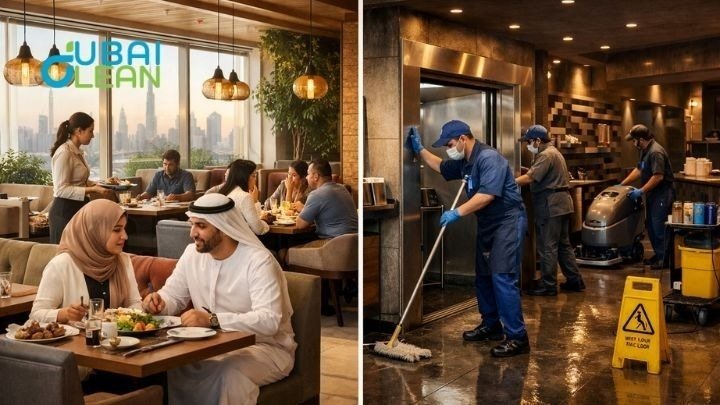
Off-Peak Hour Cleaning – Conducting deep cleaning during quieter hours such as mid-afternoon after the lunch rush allows staff to clean thoroughly while minimizing interference with restaurant operations.
Overnight Cleaning – For restaurants with extended hours or high traffic, overnight deep cleaning is ideal. This approach ensures that all areas, including kitchens, AC ducts, and waste disposal zones, are sanitized without any disruption to service.
Phased Cleaning Schedules – Dividing the restaurant into zones and cleaning them in phases ensures continuous operation while maintaining hygiene. For instance, one section of the dining area can be cleaned while the other remains operational, allowing for uninterrupted service.
By implementing a well-planned cleaning schedule, restaurant owners can maintain consistent hygiene standards, comply with Dubai Municipality regulations, and provide a safe dining experience without inconveniencing customers. Professional cleaning teams also provide detailed cleaning logs and reports, helping restaurants monitor sanitation and identify areas that may need more attention.
6. Conclusion
Maintaining impeccable hygiene in busy Dubai restaurants is not optional, it is essential for protecting customers, ensuring compliance with health regulations, and safeguarding your business reputation. Deep cleaning addresses hidden contamination risks in kitchens, dining areas, restrooms, AC ducts, and waste disposal zones, preventing foodborne illnesses and creating a safe dining environment for every guest.
Restaurant owners who invest in professional deep cleaning demonstrate a commitment to health, safety, and operational excellence. By scheduling regular cleaning with certified, experienced teams, you not only comply with Dubai Municipality hygiene standards but also build trust with your customers and avoid costly health violations.