


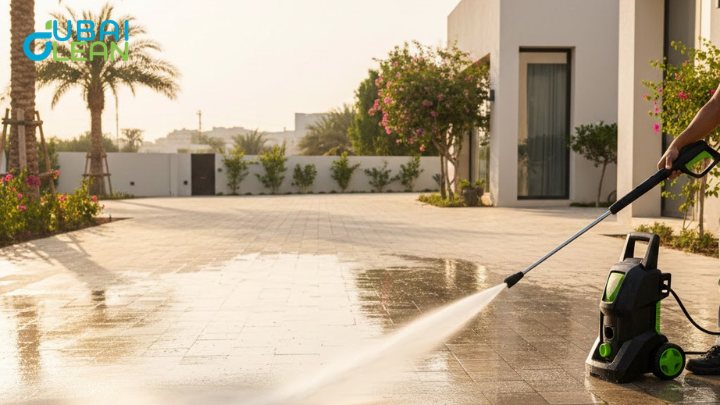
Low or fluctuating pressure in a pressure washer is a common issue faced by homeowners and commercial property managers in Dubai, often affecting cleaning performance and equipment safety. Extreme heat, mineral-heavy water, and inconsistent tank or municipal water supply in Dubai can introduce air into the system, leading to what is known as an air lock. When air becomes trapped inside the pump or inlet line, it disrupts water flow and prevents the machine from building stable pressure.
1. How Air Locks in a Pressure Washer System?
An air lock in a pressure washer occurs when air becomes trapped inside the pump or hoses, blocking water flow and preventing the machine from generating proper pressure. This is a common technical issue that can reduce cleaning efficiency and, if ignored, may lead to further equipment problems. If not resolved promptly, an air lock can cause the pump to run dry.
Air can enter the system through loose hose connections, cracked or worn inlet hoses, running the machine without water, or from a low or inconsistent water supply. Understanding these causes helps prevent repeated pressure loss and ensures safe operation. Regular inspection of hoses, fittings, and the water source can significantly affect performance.
It’s important to distinguish between an air lock and actual pump damage. While air locks temporarily affect performance, pump damage can cause permanent failure, making professional diagnosis essential to avoid costly repairs and maintain safety standards. If pressure issues it may indicate worn seals or internal pump components that require expert inspection and repair.
2. Symptoms of Air in the Pressure Washer
Air trapped in a pressure washer can cause several noticeable symptoms that reduce cleaning efficiency and may stress the equipment. Common signs include pulsing spray, foam in the water, weak pressure, vibration, or sputtering sounds. These issues occur because air disrupts the pump’s steady flow, causing pressure fluctuations and uneven water output.
| Symptom | Why It Happens (Mechanical Explanation) |
| Pulsing or surging spray | Air pockets intermittently block water flow, causing pressure to spike and drop rapidly. |
| Foam or bubbles in water output | Trapped air mixes with water, producing frothy spray and reducing cleaning efficiency. |
| Weak pressure | Air reduces the pump’s ability to maintain steady water flow, leading to low spray power. |
3. How Air Gets Into Pressure Washers
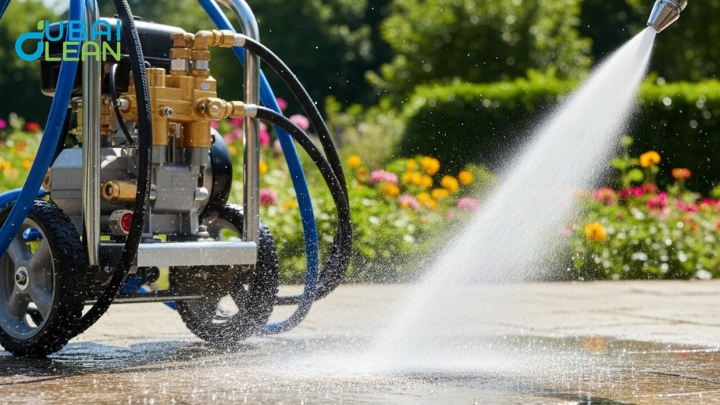
Air can easily enter pressure washer systems in Dubai due to local water conditions and handling practices, affecting performance and safety. Factors such as mineral-rich water, long hose runs, and hot climate storage increase the likelihood of trapped air. Understanding how air enters helps prevent equipment damage and ensures safe, efficient operation.
- High mineral content water that creates bubbles and air pockets
- Water tank systems with inconsistent supply or low levels
- Long hose installations causing suction issues and air entry
- Improper storage in Dubai’s hot climate, leading to hose cracks
- DIY repairs or modifications that loosen connections
Mineral-rich water in Dubai can introduce tiny air bubbles that accumulate in the pump or hoses, reducing pressure and affecting spray quality. Homes and commercial sites using tank water systems are particularly prone to this issue due to inconsistent water levels. Early troubleshooting and timely maintenance not only restore optimal pressure but also extend the overall lifespan.
4. Safe Ways to Remove Air from Washer
Removing air from a pressure washer safely is essential to maintain consistent performance and prevent pump damage. Ensuring proper water flow, checking hoses, and inspecting filters can eliminate trapped air without risking equipment. Professional caution is advised if pressure does not stabilize quickly, as persistent air may indicate deeper system issues. Following safe practices protects both the user and the machine, especially in Dubai’s harsh climate conditions.
- Ensure continuous water flow before starting the machine
- Check all hose connections for tightness and leaks
- Flush the system briefly to expel trapped air
- Inspect the inlet filter for blockages or debris
- Avoid running the machine without water supply
- Use hoses of proper length and quality to prevent suction issues
- Store hoses and equipment in a shaded, cool area to prevent air entry
- Replace cracked or worn hoses promptly
- Seek professional help if pressure does not stabilize after flushing
5. When to Call a Professional in Dubai
If your pressure washer’s performance does not recover after attempting to remove trapped air, it’s a clear sign that professional intervention is needed. Persistent issues such as a burning smell, excessive vibration, or unusual noises indicate potential pump or mechanical damage that could worsen if ignored. Calling a trained technician in Dubai ensures the problem is accurately diagnosed and resolved safely, protecting both your equipment and property.
Conclusion
DubaiClean has built a strong reputation for delivering reliable and high-performance pressure washer services across Dubai. Their team of skilled technicians ensures every machine operates at peak efficiency, addressing issues like air locks safely and effectively. Customers trust DubaiClean for their expertise, professionalism, and commitment to prolonging equipment life. With consistent results and local experience, DubaiClean remains a go-to choice for both residential and commercial cleaning solutions in Dubai.