


Have you ever noticed how certain office spaces instantly feel energizing, calming, or even draining? The truth is, your office walls may be silently shaping productivity and mood more than you realize. Colors influence focus, creativity, and even stress levels making paint choices far more impactful than simple décor.
Beyond aesthetics, office painting is a strategic investment in workplace efficiency and culture. The right colors can motivate employees, impress clients, and create an atmosphere that aligns with your company’s vision. In this blog, we’ll uncover how thoughtful painting choices can enhance both beauty and productivity in any office space.
1. The Psychology of Colors in the Workplace
Colors are more than just decorative choices; they directly affect how people feel and perform in an office. A carefully painted workspace can encourage focus, creativity, and collaboration, while the wrong color scheme may cause distraction or stress. By working with professional painting services in Dubai, businesses can make smarter choices that enhance both sthetics and productivity. Understanding these subtle effects helps create office spaces that truly support efficiency, creativity, and well-being.
Every shade has its own psychological influence, and when used thoughtfully, colors can reinforce company culture and improve employee well-being. By strategically applying tones, you can transform your office into a space that motivates staff, welcomes clients, and reflects professionalism.
Why Colors Matter: Emotional & Psychological Impact of Surroundings
Colors shape our emotions and behaviors more than we realize. Bright tones often energize and inspire, while softer hues can create calmness and balance. In an office, this influence becomes even more important since employees spend hours surrounded by these shades daily.2.
Productivity-Boosting Colors
Certain colors are proven to support better work performance. Choosing them wisely can help enhance focus, motivation, and creativity throughout the office environment.
Blue for Focus and Calmness
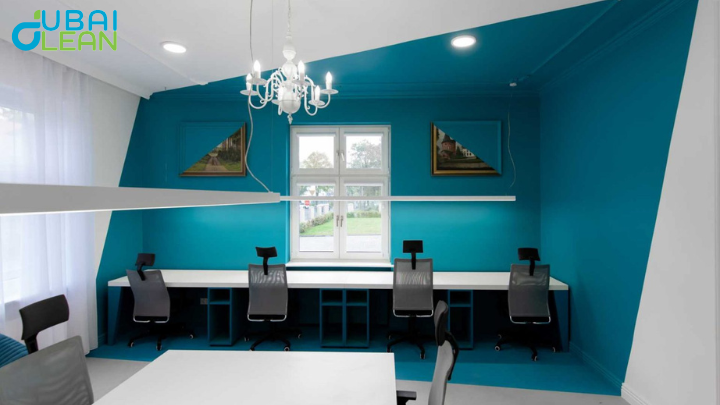
Blue tones are known to increase concentration and reduce stress. They are ideal for workspaces where focus and analytical thinking are essential, such as offices for finance, IT, or research.
Green for Creativity and Balance
Green promotes innovation and harmony, making it a favorite in creative industries. Its natural association with growth and stability makes employees feel refreshed and balanced during long workdays.
Yellow for Energy and Optimism
Yellow sparks positivity and enthusiasm. It’s best for collaborative areas or brainstorming rooms where energy and new ideas are encouraged. Too much, however, can be overwhelming, so accents work best.
Colors to Use Sparingly
Not all colors are suitable for heavy use in the workplace. Some should only appear in accents or specific zones to avoid overstimulation or distraction.
Red for Urgency but Not in Excess
Red stimulates energy and passion, which can be useful in spaces requiring alertness. But when overused, it may cause tension or restlessness, making it better for highlight walls or small details.
Dark Shades and Their Effect on Mood
Dark colors like deep gray or black can add sophistication, but too much may feel heavy or oppressive. They should be balanced with lighter tones to maintain a productive and uplifting atmosphere.

2. Painting for Productivity: Design Meets Functionality
Office painting plays a vital role in shaping how people interact with their environment. The right colors can define open spaces, inspire collaboration, and support focused work in private offices. A thoughtful design ensures each area of the office feels purposeful and balanced, making the workspace both efficient and welcoming.
Beyond visual appeal, paint influences the energy and mood of a workplace. Strategic use of color helps employees feel motivated, comfortable, and engaged throughout the day. By blending functionality with design, painting becomes an essential tool for boosting productivity.
Open Spaces vs. Private Offices: Choosing the Right Tones
Open areas often benefit from lighter, neutral shades that feel airy and reduce overstimulation. Private offices, on the other hand, work best with deeper tones that encourage concentration and privacy. Choosing the right balance helps both spaces function effectively.
Accent Walls for Motivation: Adding Vibrancy Without Distraction
Accent walls bring energy into the office without overwhelming the room. Bold colors like orange or yellow inspire creativity in brainstorming zones, while cooler shades like blue or green support focus in individual work areas.
Natural Light + Paint Colors: Maximizing Brightness and Comfort
Paint colors interact with natural light in powerful ways. Lighter tones reflect daylight, making spaces feel open and refreshing, while warmer shades add comfort in dim areas. The right mix enhances brightness, mood, and overall comfort.
3. Office Painting for Aesthetics & Brand Identity
Office painting is more than just decoration—it’s a reflection of who your company is. The right colors can visually communicate values, inspire employees, and make the workspace feel aligned with the brand’s identity. A well-painted office shows that your business pays attention to detail and cares about both its people and visitors.
Beyond boosting productivity, aesthetics create an environment that tells a story. Whether it’s bold colors that speak of innovation or calm tones that convey trust, painting becomes a silent ambassador for your company culture and professionalism.
Reflecting Company Culture Through Colors
Colors have the power to mirror your organization’s personality. A creative agency may thrive with vibrant tones, while a law firm might prefer sophisticated neutrals. Choosing shades that reflect company culture helps employees feel connected to the brand.
Creating a Welcoming First Impression for Clients & Visitors
When clients step into your office, the walls often speak before you do. Warm, inviting tones can make visitors feel comfortable, while polished finishes project professionalism. A thoughtful color scheme can leave a lasting impression of trust and credibility.
Consistency with Branding: Aligning Office Walls with Brand Colors and Values
Brand identity doesn’t stop at logos and websites it extends into the workspace. Incorporating brand colors into office design creates consistency and reinforces recognition. This alignment builds a unified image that employees and clients can instantly connect with.
4. Practical Tips for Office Painting Projects
A successful office painting project requires more than just choosing attractive colors. Careful planning helps reduce disruptions, ensures lasting results, and creates a healthier environment for employees. By thinking ahead, businesses can save time, money, and stress while still achieving a professional finish.
The right approach also considers practical factors such as durability, maintenance, and employee well-being. From scheduling to selecting eco-friendly options, small decisions can make a big difference in the long-term quality and comfort of the workspace.
Planning Ahead: Choosing the Right Season and Schedule to Minimize Disruption
Timing is key when painting an office. Scheduling projects during slower business periods or weekends helps reduce interruptions. Planning ahead ensures employees can continue working with minimal impact on productivity.
Paint Finishes & Durability: Matte, Satin, or Gloss for Different Areas
Each finish serves a different purpose. Matte works well for low-traffic areas, satin offers a balance of durability and elegance, while gloss is best for high-traffic zones that need easy cleaning. Matching finish to function keeps the office looking polished longer.
Eco-Friendly & Low-VOC Paints: Healthier Environment for Employees
Low-VOC and eco-friendly paints reduce harmful fumes, creating a safer and more comfortable workplace. They not only improve air quality but also show employees and clients that the business values sustainability and well-being.
5. Impact on Employees & Clients
Office colors do more than decorate—they shape emotions and influence behavior. The right shades can uplift employee morale, reduce stress, and create an environment where people feel valued. For clients, colors silently communicate trust, professionalism, and warmth, making them feel confident in your business from the very first impression.
Boosting Morale: How Uplifting Colors Enhance Job Satisfaction
Bright and cheerful colors, such as yellows or light greens, can increase positivity and motivation. These shades make workspaces feel more inviting, encouraging employees to stay engaged and satisfied with their environment.
Reducing Stress: Calming Tones That Promote Mental Well-Being
Soft blues and earthy neutrals have a soothing effect that helps ease stress. These calming tones promote focus and relaxation, especially in high-pressure workplaces where mental well-being is essential.
Client Perception: How Wall Colors Influence Trust and Confidence
First impressions matter, and office walls play a big role. Warm tones create a welcoming atmosphere, while professional shades like navy or gray build credibility. The right colors inspire confidence in clients and strengthen brand reputation.
6. Professional vs. DIY Painting – What’s Best for Offices?
When it comes to office painting, businesses often face the choice between hiring professionals or handling the project themselves. Each option has its own advantages, depending on the size, scope, and goals of the project. The key is to weigh efficiency, cost, and quality to decide which approach best suits your workplace needs.
Benefits of Hiring Professionals: Efficiency, Quality, and Minimal Disruption
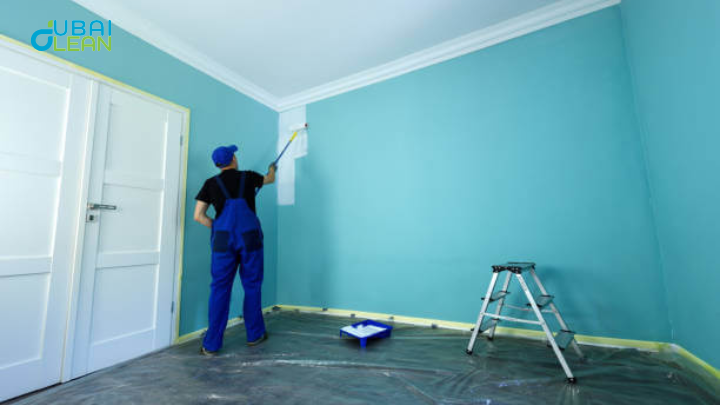
Professional painters bring experience, precision, and speed. They use the right tools, techniques, and finishes to deliver long-lasting results, all while minimizing disruption to daily operations. For large-scale projects, professionals ensure both efficiency and a polished appearance.
When DIY Works: Small Office Updates and Creative Wall Projects
DIY painting can be a good option for small updates, accent walls, or creative projects. It allows for flexibility and personal touches while keeping costs down. However, it works best for minor changes, not full office repaints that require expertise and durability.
Conclusion
Office painting is more than just a design choice, it’s an investment in productivity, aesthetics, and workplace well-being. The right colors can inspire employees, reduce stress, impress clients, and align the space with your brand’s identity. With thoughtful planning and the right approach, painting transforms an office into a place where people thrive.
Now is the perfect time to look around your workspace and ask if it reflects the energy, professionalism, and creativity you want to project. A fresh coat of paint could be the simple yet powerful change that boosts both morale and performance. Refresh your office space today for a brighter, more productive tomorrow.