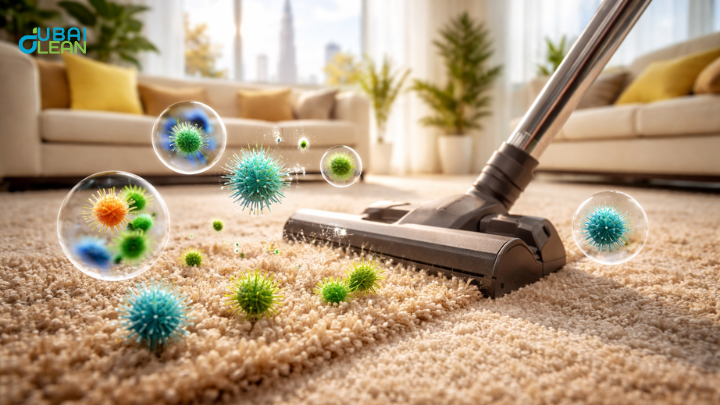



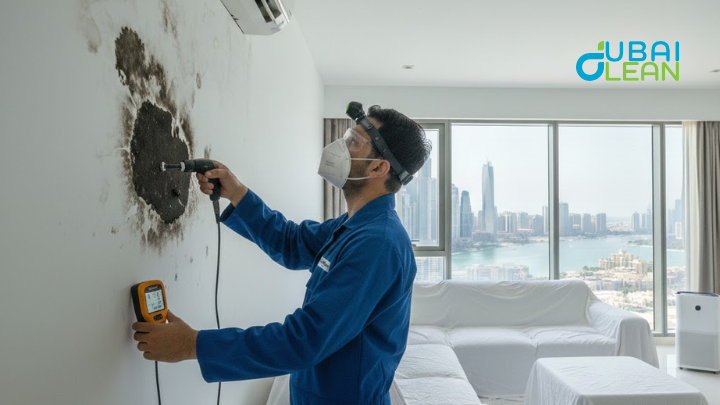
Dubai apartments are more vulnerable to mold because of high humidity, constant AC use, and limited ventilation that traps moisture indoors. This environment allows mold, including black mold, to grow unnoticed behind walls and vents, impacting air quality and health. As awareness rises, residents increasingly recognize mold as a serious health and property risk that needs early prevention.
1. Understanding Mold Growth in Dubai Apartments
Mold growth in Dubai apartments is heavily influenced by the city’s high humidity, continuous air-conditioning use, and tightly sealed living spaces that limit airflow. Condensation from AC ducts and indoor moisture creates damp surfaces where mold spores can thrive. Coastal humidity and occasional water leaks add to the problem, making areas like bathrooms, kitchens, and behind furniture particularly vulnerable.
Over time, this hidden dampness raises an important question for residents is black mold in apartment dangerous Left unchecked, it can quietly spread, affecting both the structure of the apartment and the health of its occupants, often before any visible signs appear.
How Dubai’s Climate Accelerates Mold Development
Dubai experiences high humidity for most of the year, creating constant moisture in indoor air that settles on cool surfaces. Continuous air-conditioning increases condensation inside ducts and poorly ventilated rooms, especially when windows remain closed. In coastal residential areas, salty moisture in the air further raises indoor dampness, allowing mold spores to activate and multiply rapidly.
Common Indoor Areas Where Mold Starts
Mold often begins in moisture-heavy spaces such as bathrooms and shower ceilings, where steam lingers after use. Kitchen cabinets and areas under sinks are also high-risk due to hidden leaks and poor airflow. AC vents, ducts, and wall corners trap condensation, while enclosed spaces behind wardrobes and headboards restrict air circulation, creating ideal conditions for mold growth.
2. Is Black Mold in Apartment Dangerous?
Black mold in apartments can be highly dangerous because it produces toxic spores called mycotoxins that can affect both health and indoor air quality. Unlike common mold, black mold spreads rapidly in damp, poorly ventilated areas such as bathrooms, kitchens, AC ducts, and behind walls, often growing unnoticed for long periods.
Prolonged exposure can lead to respiratory irritation, chronic coughing, persistent headaches, allergic reactions, and even more severe health issues for vulnerable groups. Children, the elderly, and people with asthma or weakened immune systems are particularly at risk, making early detection, proper ventilation, and professional remediation essential to protect both health and property in Dubai homes.
Why Black Mold Is More Dangerous Than Other Mold
Black mold, also known as Stachybotrys chartarum, produces toxic spores called mycotoxins that can affect both health and indoor air quality. Unlike common mold varieties, black mold grows quickly in damp, poorly ventilated areas and can penetrate deeper into walls, ceilings, and HVAC systems, making it harder to remove. Its dark, slimy appearance and fast spread make it a serious concern for apartment residents.
Health Risks Linked to Black Mold Exposure
Exposure to black mold can trigger respiratory irritation, especially for residents who spend most of their time indoors in air-conditioned apartments. It may cause allergic reactions, persistent headaches, chronic coughing, and eye or throat irritation. Children, the elderly, and people with asthma or weakened immune systems are particularly vulnerable, highlighting the importance of early detection and professional mold remediation in Dubai homes.
3. Signs You May Have a Mold Problem
Mold in apartments often develops quietly, but certain physical and health signs can reveal its presence. Persistent musty or damp odors, peeling paint, bubbling walls, and dark spots near AC vents or wall corners are common indicators of hidden mold growth.
Residents may also experience frequent sneezing, itchy or watery eyes, and worsening breathing problems that appear only indoors. Children, the elderly, and people with asthma are particularly sensitive to these effects. In Dubai apartments, where high humidity and continuous air-conditioning create ideal conditions for mold, recognizing these early warning signs is crucial to protect both health and property.
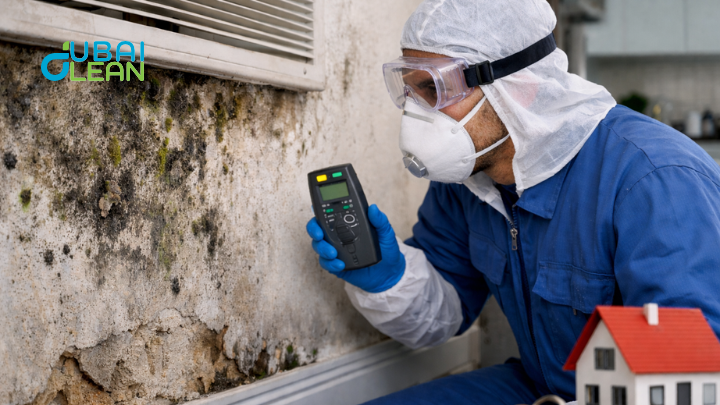
Physical Warning Signs in Your Apartment
Mold can often grow unnoticed until certain physical signs appear. Persistent musty or damp odors are a common indicator of hidden mold. You may also notice peeling paint, bubbling walls, or discoloration, especially in areas exposed to moisture. Dark spots or streaks near AC vents, behind furniture, or along wall corners can also signal mold growth, even if the infestation is not yet extensive.
Health Symptoms Residents Often Ignore
Sometimes mold reveals itself through subtle health symptoms. Frequent sneezing, watery or itchy eyes, and irritation that only occurs indoors may indicate mold exposure. Residents may also experience worsening breathing issues at night or a persistent cough, particularly in air-conditioned apartments where mold spores circulate in the air. Identifying these warning signs early allows for timely prevention.
4. Why Mold Is a Property Risk in Dubai Apartments
Mold poses a serious property risk in Dubai apartments because long-term growth can weaken walls, ceilings, and wooden fixtures, causing structural damage that is often costly to repair. Beyond physical damage, mold can reduce property value and create complications during move-out inspections.
Tenants and landlords may face disputes over habitability or compensation if infestations are ignored. In a city where humidity and air-conditioning increase the likelihood of hidden mold, early detection and professional remediation are essential to protect both the apartment and its occupants.
Structural Damage Caused by Long-Term Mold Growth
Mold doesn’t just affect health it can seriously damage the structure of an apartment over time. Prolonged exposure to moisture allows mold to weaken drywall, ceilings, and plaster, compromising the building’s integrity. Wooden fixtures, cabinets, and flooring can also warp, rot, or decay, leading to costly repairs if left untreated.
Legal & Rental Risks for Tenants and Landlords
Mold problems can create legal and financial challenges in Dubai’s rental market. Tenants may raise disputes over habitability or demand compensation for health-related issues. Mold can also reduce property value and complicate move-out inspections, with landlords facing potential claims for negligence if infestations are ignored. Prompt detection and professional remediation are therefore essential to protect both the apartment and its occupants.
5. Safe Mold Prevention Tips for Dubai Residents
Preventing mold in Dubai apartments starts with simple daily habits and regular maintenance. Proper ventilation after showers and cooking helps reduce trapped moisture, while keeping AC temperatures balanced prevents condensation on walls and ducts. Avoid drying clothes indoors, as it increases humidity levels that encourage mold growth.
Regularly inspecting AC ducts, sealing leaks promptly, and monitoring indoor humidity can further protect your apartment. These steps, combined, create a healthier, mold-free living environment and safeguard both your health and property.
Daily Habits That Reduce Mold Growth
Simple daily habits can make a big difference in preventing mold. Always ventilate bathrooms and kitchens after showers or cooking to reduce trapped moisture. Keep air-conditioning at proper temperatures to minimize condensation on walls and ducts. Avoid drying clothes indoors, as this increases indoor humidity and creates ideal conditions for mold to grow.
Apartment Maintenance Best Practices
Regular upkeep helps stop mold from spreading in your apartment. Inspect AC ducts frequently for condensation and hidden moisture. Seal leaks in plumbing, windows, or walls immediately to prevent water accumulation. Use a hygrometer to monitor indoor humidity levels and keep them within safe limits, especially in Dubai’s humid climate, ensuring a healthier, mold-free living environment.
Conclusion
Early detection is crucial for preventing mold from impacting both your health and your apartment in Dubai. Black mold, in particular, can be dangerous, posing risks such as respiratory problems, allergic reactions, and even long-term structural damage if left untreated. Recognizing warning signs, maintaining proper ventilation, controlling humidity, and addressing leaks promptly can significantly reduce these risks. Seeking professional mold inspection and remediation when needed ensures that spores are fully removed and indoor air quality is preserved.