


Marble sealing is a protective treatment that helps preserve the natural beauty and strength of marble surfaces by reducing their ability to absorb moisture, stains, and contaminants. In Dubai, marble is a popular choice for homes, villas, and commercial spaces because of its elegant appearance, cooling properties, and suitability for luxury interiors. However, without proper sealing, marble can quickly become vulnerable to staining, surface damage, and slip hazards especially in high-traffic or moisture-prone areas. These issues not only affect appearance but can also lead to costly repairs and safety concerns for property owners. This article shares clear, expert-backed information based on professional stone care practices, helping Dubai property owners make informed decisions without any sales-driven claims.
1. What Is Marble Sealing Professional Explanation
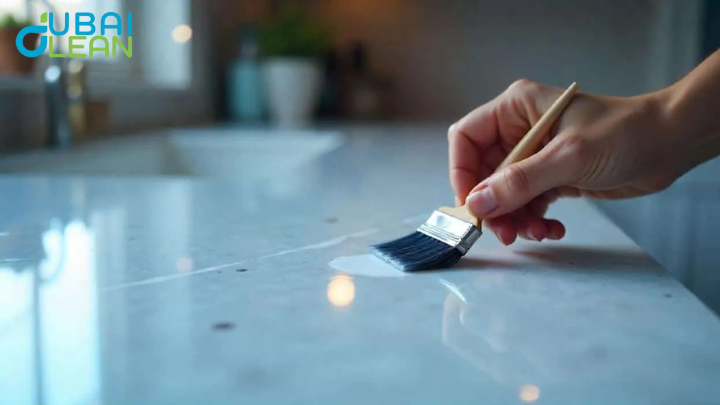
Marble sealing is a protective process designed to reduce the stone’s natural porosity by applying a specialised sealer that limits how much liquid and dirt the marble can absorb. A marble sealer helps protect against stains, moisture penetration, and chemical damage from everyday spills and cleaning products. However, it does not repair existing damage, remove scratches, or permanently prevent wear its role is prevention, not restoration.
There are two main types of marble sealers used in professional stone care: surface coating sealers and penetrating sealers. Surface coating sealers form a thin layer on top of the marble, offering short-term protection but wearing down faster in high-traffic areas. Penetrating sealers, which are commonly recommended for Dubai properties, soak into the stone’s pores and create protection from within while maintaining the marble’s natural appearance.
It’s important to understand that marble sealing is not a cosmetic treatment like polishing or crystallisation. Sealing does not add shine or change the look of the marble; instead, it works quietly in the background to protect the stone’s structure. Its primary purpose is long-term preservation, helping property owners avoid staining, etching, and costly repairs over time.
2. Why Marble Needs Sealing in Dubai’s Climate
Dubai’s climate creates challenging conditions for natural marble, making sealing an essential protective measure rather than an optional one. High humidity allows moisture to penetrate unsealed marble, while extreme heat can weaken the stone’s surface over time. Fine sand particles carried indoors act like abrasives, slowly wearing down marble finishes. In addition, hard water and frequent cleaning common in Dubai households and commercial spaces can accelerate surface damage, staining, and loss of durability if the marble is left unprotected.
| Dubai Climate Factor | Impact on Unsealed Marble | Why Sealing Is Essential |
| High humidity | Moisture absorption leading to stains and weakening | Reduces water penetration into marble pores |
| Heat & temperature changes | Surface stress and faster material wear | Helps maintain structural stability |
| Sand, dust & hard water | Scratches, etching, and mineral buildup | Creates a protective barrier against damage |
3. What Happens If Marble Is Not Properly Sealed?
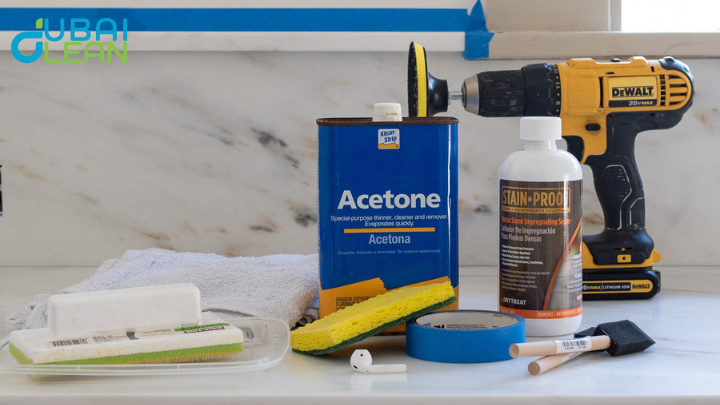
If marble is not properly sealed, property owners may quickly notice several problems that affect both appearance and safety. Liquids like coffee, juice, or cleaning chemicals can penetrate the stone, leaving permanent stains that are difficult or impossible to remove. Harsh cleaners or acidic substances can cause etching, dulling the marble’s natural shine and damaging its smooth surface. Over time, unprotected marble may lose structural integrity, making it more prone to cracks and chipping, especially in high-traffic areas.
Unsealed marble also poses: slip hazards in wet areas such as bathrooms, kitchens, and poolside spaces, increasing the risk of accidents. From a financial perspective, ignoring proper sealing can lead to costly repairs or even full replacement of the marble, whereas preventive sealing protects the surface and extends its lifespan. For Dubai property owners, investing in professional marble sealing is a small upfront cost that safeguards both aesthetic appeal and long-term property value.
4. When Should Marble Be Sealed? Expert Timing Guidelines
Marble sealing should be applied at strategic times to ensure maximum protection and longevity. Newly installed marble should always be sealed before use to prevent early damage. Areas with high foot traffic, such as hallways or living rooms, and commercial or shared buildings require more frequent attention due to wear and exposure. Property owners should also watch for signs that resealing is needed, like water absorption, dullness, or staining, to maintain the marble’s protective barrier.
Signs It’s Time to Reseal:
If water droplets no longer bead on the marble surface or spills start leaving marks, it’s a clear indication that the sealer has worn off. Regular inspections and timely resealing help prevent damage and preserve the stone’s appearance and durability.
5. Types of Marble Sealers Used by Professionals
Marble sealers come in different types, each designed to provide specific levels of protection and durability. Penetrating sealers soak into the marble’s pores to protect from within, while impregnating sealers create a longer-lasting barrier that resists water and stains. Sealers are also classified as water-based or solvent-based, affecting drying time, odor, and environmental impact. Choosing the right sealer depends on the marble type, location, and exposure to traffic or moisture. For Dubai properties, professionals typically recommend sealers that balance long-term protection with minimal maintenance, suitable for both residential and commercial spaces.
- Penetrating sealers for deep protection
- Impregnating sealers for long-lasting water and stain resistance
- Water-based sealers for low odor and eco-friendliness
- Solvent-based sealers for faster drying and enhanced durability
- Sealers suitable for polished marble surfaces
- Sealers suitable for honed or matte finishes
- UV-resistant sealers for areas exposed to sunlight
- Anti-slip sealers for wet areas like bathrooms and kitchens
- Professional-grade sealers recommended for Dubai’s climate conditions
Conclusion
Expert-led marble sealing is essential for preserving the beauty, safety, and value of your property, especially in Dubai’s challenging climate. Prioritizing professional sealing helps prevent costly repairs, permanent stains, and surface damage, ensuring your marble floors remain durable and attractive for years. By making informed decisions and investing in the right sealing techniques, property owners can protect their investment, maintain a luxurious finish, and enjoy peace of mind knowing their marble surfaces are properly cared for.