



Marble has long been celebrated for its timeless beauty and elegance, adding a touch of luxury to both homes and commercial spaces. But over time, even the most exquisite marble can lose its luster becoming scratched, stained, or dull and this wear can subtly affect the overall ambiance of your space, making it feel less inviting. That’s where marble restoration comes in. In this guide, you’ll discover everything you need to know about restoring and maintaining your marble, from identifying damage to DIY tips and professional techniques, ensuring your surfaces remain as stunning as the day they were installed.
1. Understanding Marble: Beauty and Vulnerability
Marble is one of the most sought-after choices for flooring, countertops, and walls in Dubai, and it’s easy to see why. Its natural veining, luxurious shine, and unique patterns bring elegance and timeless beauty to any home or commercial space. Unlike synthetic alternatives, each marble slab is unique, giving your property a distinctive, high-end appeal. When professionally installed and properly maintained, marble is highly durable and can last for decades, making it a smart long-term investment in both style and value.
There are several common types of marble, each with its own unique characteristics. Carrara marble, known for its soft white background and subtle gray veining, is a classic favorite, while Calacatta marble offers bolder, more dramatic patterns that exude elegance. Over time, however, marble is prone to damage from everyday use, scratches from furniture, stains from spills, etching from acidic substances, and general wear can dull its natural beauty. Preserving marble is like caring for a timeless piece of art; with the right marble floor installation in dubai and restoration techniques, you can protect its elegance and ensure it continues to enhance your space for years to come.

2. Signs Your Marble Needs Restoration
Marble is a durable and beautiful surface, but even the most resilient stone can show signs of wear over time. Recognizing these issues early is key to preventing further damage and preserving the elegance of your space. By understanding the common signs of marble damage, you can take timely action to restore its natural beauty before it affects the overall ambiance of your home or commercial property.
Here are the most common signs that your marble may need restoration:
- Scratches, chips, and cracks: Everyday use, heavy furniture, or accidental impacts can leave visible marks that dull the marble’s polished surface.
- Dull or cloudy surfaces: Over time, foot traffic, cleaning, and exposure to elements can reduce the natural shine of marble, making it look lifeless.
- Stains from spills, oils, or chemicals: Marble is porous, so liquids like wine, coffee, or cleaning agents can seep in and leave stubborn stains.
- Etching caused by acidic substances: Lemon juice, vinegar, or other acidic substances can react with marble, leaving dull spots or shallow pits.
Recognizing these signs early allows you to take action before the damage becomes permanent. Restoring your marble not only brings back its visual appeal but also protects the investment in your home or workspace, keeping your surroundings elegant and inviting.
3. DIY vs Professional Marble Restoration
Restoring marble yourself can be tempting, especially for minor scratches or stains, as it may save money and give a sense of accomplishment. DIY marble restoration allows you to tackle small issues with polishing compounds, sealants, or home remedies, but it also comes with risks improper techniques can worsen scratches, cause uneven surfaces, or even damage the stone permanently. Knowing when to call a professional is crucial: if your marble has deep scratches, extensive etching, cracks, or significant staining, a trained specialist can safely restore its natural beauty using advanced tools and techniques. Hiring an expert not only ensures the best results but also provides peace of mind, knowing your marble is in capable hands and will continue to enhance your home or commercial space for years to come.
4. Step-by-Step Marble Restoration Process
Marble restoration process that can bring your surfaces back to their original elegance. Whether you choose a DIY approach or hire a professional, understanding the key steps involved helps ensure lasting results and protects your investment. Here’s a detailed breakdown of the marble restoration process:
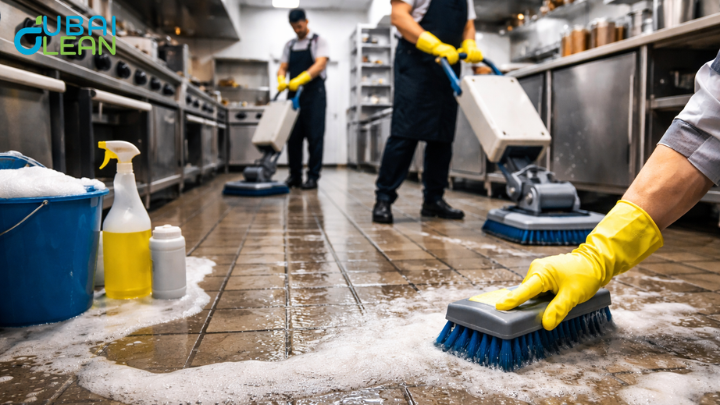
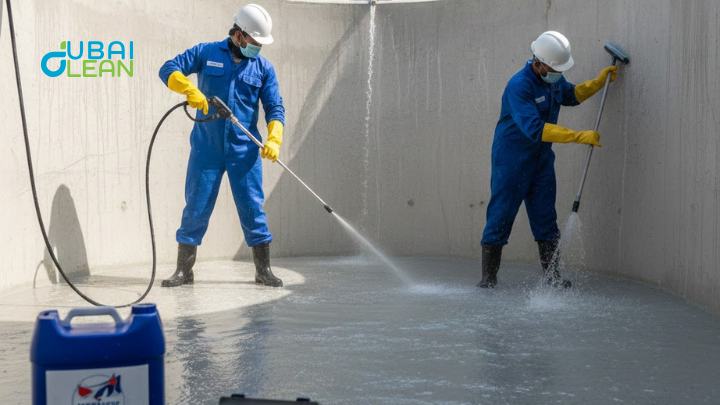
Step 1: Cleaning and Preparation: Before any restoration work begins, it’s essential to thoroughly clean the marble surface. Dirt, grease, and old sealants can interfere with the restoration process.
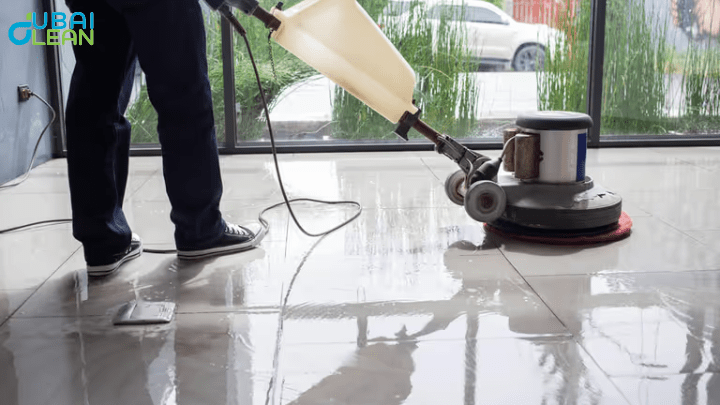
Step 2: Grinding and Honing: This step addresses scratches, etching, and uneven surfaces. Grinding removes the damaged layer of marble, while honing smooths out minor imperfections.
Step 3: Polishing for Shine:Polishing enhances the marble’s natural luster and highlights its unique patterns. Using specialized polishing compounds and pads, the surface is buffed to achieve a glossy, reflective finish.
Sealing is the final step in restoration and serves as a protective barrier against stains, moisture, and everyday wear. A high-quality sealer penetrates the marble’s pores, helping maintain its shine and making future cleaning easier. Proper sealing prolongs the life of your restoration efforts and keeps your marble looking stunning for years.
5. Maintaining Marble After Restoration
Maintaining your marble after restoration is key to preserving its beauty and longevity. Daily cleaning with a soft cloth and a pH-neutral cleaner helps prevent dust, dirt, and spills from dulling the surface. Take care to avoid placing acidic substances, heavy objects, or abrasive materials directly on the marble to reduce the risk of stains and scratches. Periodic professional maintenance, such as polishing or resealing, ensures that your marble continues to shine and stay protected against wear. By following these simple steps, you can keep your marble looking pristine and elegant, creating a timeless centerpiece in your home or commercial space that can be enjoyed for generations.
6. Common Mistakes to Avoid
Proper care and restoration of marble require attention and the right techniques. Avoiding common mistakes can save you time, money, and preserve the elegance of your surfaces. Here are some key errors to watch out for:
- Using acidic cleaners: Lemon juice, vinegar, and other acidic substances can etch and dull marble, leaving permanent marks.
- Ignoring small cracks: Even minor cracks can worsen over time if left untreated, leading to more extensive and costly damage.
- Over-polishing: Excessive polishing can thin the marble surface, reduce its natural depth, and create an uneven finish.
By steering clear of these mistakes, you protect your home investment and ensure that your marble retains its luxurious appearance for years to come.
Conclusion:
Restoring and maintaining marble is more than just a cosmetic update—it’s about preserving the timeless beauty and elegance of your home or commercial space. From addressing scratches, stains, and dull surfaces to applying proper polishing and sealing techniques, each step ensures that your marble remains a stunning centerpiece for years to come. Regular care and timely restoration not only protect your investment but also enhance the ambiance, keeping your surroundings inviting and luxurious.
Don’t let worn or damaged marble diminish the charm of your space. Whether you choose to tackle minor restoration projects yourself or enlist the expertise of a professional, taking action now can make all the difference. With the right techniques and guidance, you can restore marble beauty, maintain its shine, and enjoy the sophistication it brings every day. Start your marble care journey today and keep your surfaces looking as magnificent as the day they were installed.