



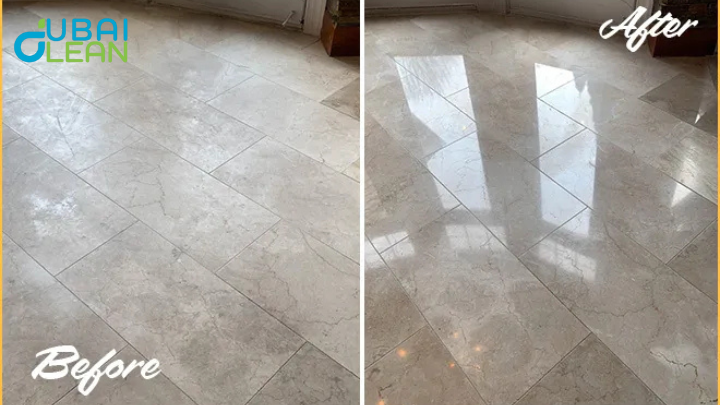
Marble is one of the most elegant and durable surfaces for homes and offices, but maintaining its pristine look requires the right care. Many homeowners confuse marble polishing with marble restoration, leading to ineffective results and even damage. Understanding the difference can save you time, money, and effort while keeping your marble floors, countertops, and walls looking flawless. Whether it’s your luxurious villa in Dubai Marina or your office in Downtown Dubai, knowing when to polish and when to restore can extend the life of your marble surfaces and protect your investment.
1. What is Marble Cleaning and Polishing
Marble Cleaning and Polishing is the process of maintaining the beauty and shine of marble surfaces by removing dirt, stains, and minor scratches while enhancing their natural luster. Cleaning involves using gentle, pH-neutral solutions to safely remove dust, grime, and spills without damaging the stone, while polishing smooths the surface to restore its glossy, reflective finish. Regular cleaning and polishing not only improve the appearance of marble floors, countertops, and walls but also help protect them from wear, discoloration, and long-term damage, keeping your marble surfaces looking luxurious and well-maintained.
This is a technique used to revive the natural shine and lustre of marble surfaces, bringing them back to life with a fresh, vibrant look. Over time, marble can lose its glossy finish due to foot traffic, cleaning methods, or exposure to the elements. Polishing works to restore that lustrous sheen, accentuating the stone’s unique patterns and rich colours.
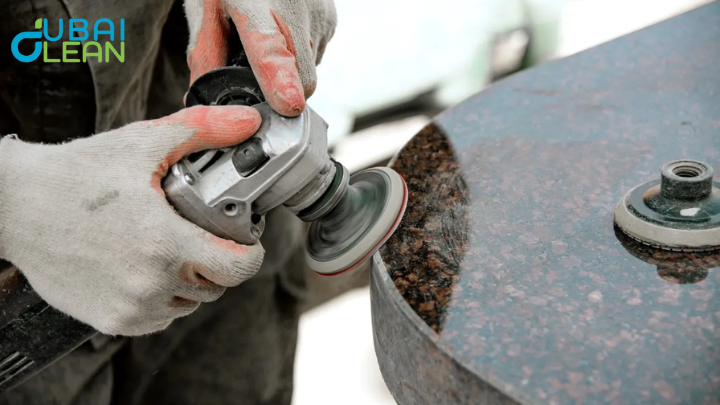
The process involves using specialised compounds, machinery, and abrasives to gently buff the marble surface. This removes minor imperfections and smooths the stone, giving it a glossy, reflective finish. While polishing enhances the surface’s appearance, it’s important to remember that it mainly targets surface-level issues rather than addressing deeper damage.
2. What is Marble Restoration
Marble restoration is a professional process that repairs and rejuvenates damaged or aged marble surfaces. Unlike regular polishing, restoration addresses deep scratches, cracks, stains, and etching caused by wear, accidents, or chemical exposure. It restores both the appearance and structural integrity of marble, making old or worn surfaces look like new. This process is ideal for marble floors, countertops, and walls that have suffered significant damage over time.
Marble Restoration Process
Deep Cleaning: Removes dirt, grime, and stubborn stains from the marble surface.
Grinding & Honing: Smooths out scratches, chips, and uneven areas.
Crack & Chip Repair: Fills in damaged spots to restore structural integrity.
Polishing & Sealing: Enhances shine and protects the marble from future damage.
3. Key Differences b/w Polishing and Restoration
While both polishing and restoration improve the look of marble, they serve very different purposes. Polishing is mainly cosmetic, focusing on enhancing shine and removing minor scratches, whereas restoration is a deeper process that repairs cracks, chips, and stains. Choosing the right method depends on the condition of your marble and the level of damage. Understanding these differences helps protect your investment and maintain the beauty of your surfaces.
| Feature | Marble Polishing | Marble Restoration |
|---|---|---|
| Purpose | Enhances shine and smoothness | Repairs damage and restores appearance |
| Scope | Surface-level, minor scratches | Deep, structural, cracks, chips, stains |
| Frequency | Regular maintenance | As needed for major damage |
4. When to Choose Polishing vs Restoration
Choosing the right marble care method depends on the condition and age of your marble surfaces. Minor dullness or light scratches usually call for polishing, while deep cracks, chips, or stubborn stains require full restoration. Consulting a professional can help ensure you pick the most effective solution.
- Inspect your marble for scratches, chips, and stains.
- Assess the age and wear of your marble surfaces.
- Determine whether the issue is cosmetic or structural.
- Consider the frequency of maintenance needed.
- Evaluate the cost difference between polishing and restoration.
- Think about the time required for each process.
- Check if the marble has been previously restored.
- Consult a professional marble care service.
- Prioritize long-term durability along with aesthetics.
5. Are there any risks with polishing or restoration?
While marble polishing and restoration are generally safe when performed by professionals, there are some risks if done incorrectly. Polishing with the wrong abrasive or using harsh chemicals can scratch or dull the surface instead of enhancing its shine. Similarly, DIY restoration attempts may lead to uneven surfaces, discoloration, or even permanent damage to the marble.
It’s also important to consider that over-polishing can thin the marble surface over time, reducing its durability. Restoration involves grinding and filling, so improper techniques can result in mismatched colors or weak repairs. To minimize risks and ensure long-lasting results, it’s best to hire experienced technicians like those at DubaiClean, who use the right tools, methods, and products for safe and effective marble care.
Conclusion
Both marble polishing and restoration play a vital role in keeping your surfaces beautiful and durable, each serving a different purpose depending on the marble’s condition. Polishing maintains shine and addresses minor scratches, while restoration repairs deep cracks, stains, and chips to restore the marble’s original elegance. Choosing the right method ensures long-lasting, luxurious marble that enhances your home or office. DubaiClean offers expert marble care services, guiding you to the perfect solution and keeping your marble surfaces pristine and well-maintained.