


Walking across gleaming marble floors feels luxurious, doesn’t it? In Front, Dubai, marble surfaces are a common sight in homes, villas, and commercial spaces. But keeping that mirror-like shine isn’t as simple as mopping with water. Dubai’s unique climate presents specific challenges that can quickly dull even the most beautiful marble installations.
Let me share what you need to know about professional marble polishing and how it protects your investment while creating a healthier living space for your family.
Understanding Marble Polishing: More Than Surface-Level Cleaning
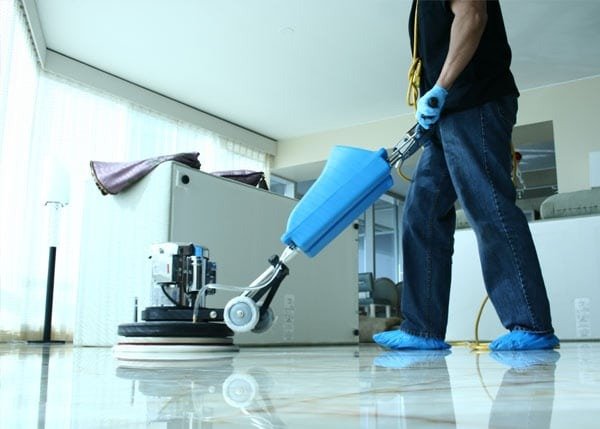
Marble polishing is a specialized restoration process that goes far beyond regular cleaning. Think of it as skincare for your floors – removing damaged layers and revealing the natural beauty underneath.
The process involves mechanical grinding with diamond abrasives, followed by progressive polishing stages using increasingly fine compounds. Depending on your marble’s condition, technicians might use chemical crystallization treatments that react with the calcium carbonate in the stone, creating an incredibly durable, high-gloss finish.
Unlike regular mopping, which only addresses surface dirt, professional polishing corrects scratches, etching from acidic spills, and dullness caused by wear and foot traffic.
Why Front’s Environment Demands Regular Marble Care
Living in Dubai means your marble faces constant challenges. The fine desert sand that blows through the air acts like sandpaper on your floors. Each grain tracked indoors creates microscopic scratches that accumulate over time, dulling the surface.
The intense heat and humidity also play a role. Temperature fluctuations cause marble to expand and contract slightly, which can lead to micro-cracks. When moisture enters these tiny fissures, it becomes a breeding ground for bacteria and mold – particularly concerning for families with young children who play on the floor or pets who spend time close to ground level.
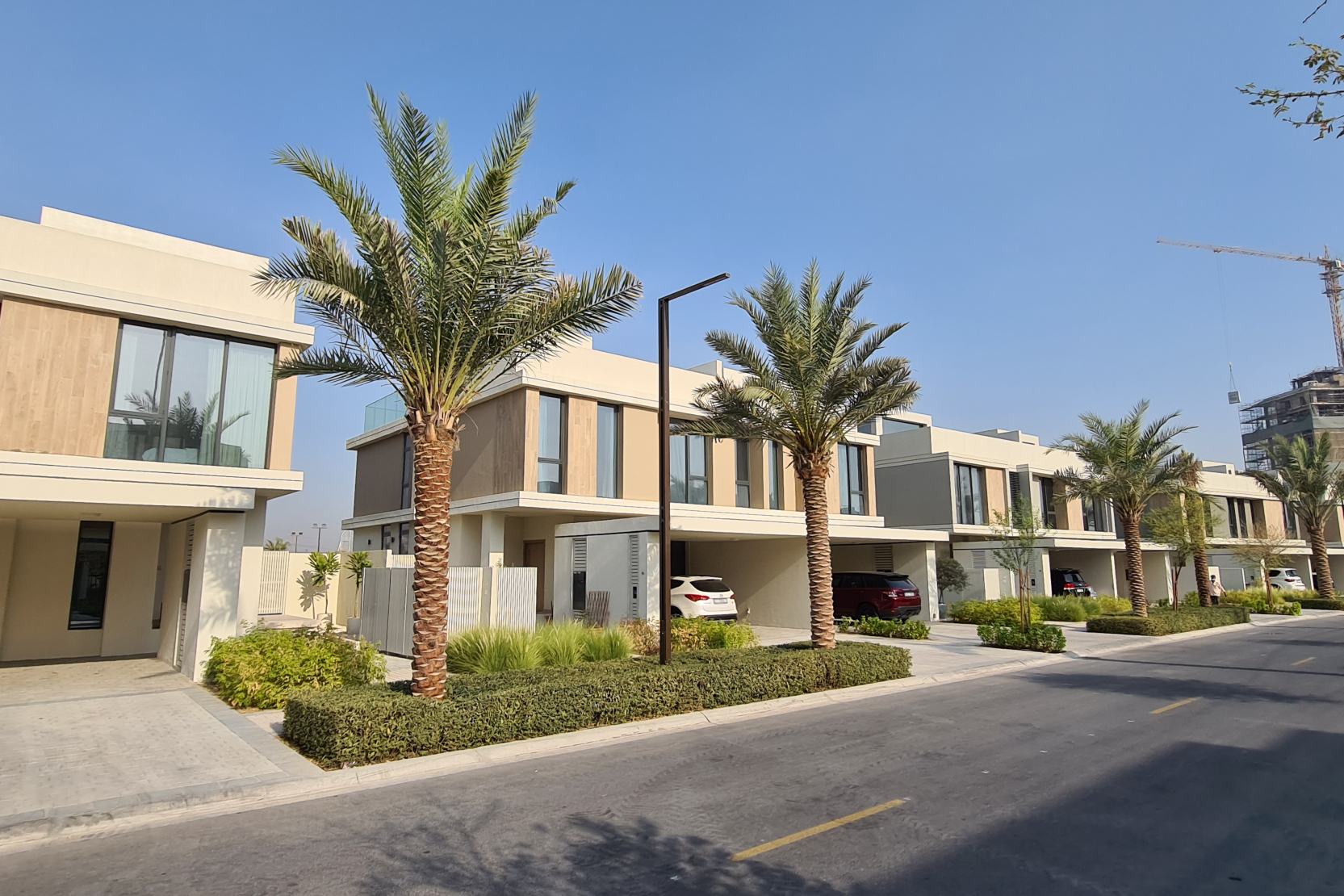
In Front’s residential areas, where many homes feature expansive marble entryways, living rooms, and kitchens, maintaining these surfaces becomes even more important for your family’s health and comfort.
Which Areas of Your Property Need Professional Polishing?
High-Traffic Zones: Entryways, hallways, and corridors receive the most wear. These areas benefit from polishing every 12-18 months to maintain appearance and hygiene.
Kitchen Floors: Constant exposure to food spills, oils, and acidic substances (think lemon juice or vinegar) can etch marble surfaces. These spots need attention before staining becomes permanent.
Bathrooms: Moisture and soap residue create a film that traps bacteria. Polished, sealed marble is significantly easier to keep hygienic.
Living Areas: Where your family spends the most time, maintaining smooth, clean marble reduces allergens and creates a healthier indoor environment.
Outdoor Marble: Terraces and entrance areas face direct sun exposure and sandstorms, requiring more frequent restoration.
Health Benefits You Might Not Expect
Clean, properly maintained marble contributes to better indoor air quality. Here’s how:
When marble develops tiny cracks and porous areas through wear, it traps dust, allergens, and microscopic particles. In Dubai’s sandy environment, this accumulation happens faster than you’d think. Professional polishing smooths the surface, leaving fewer places for contaminants to hide.
The sealing process that often accompanies polishing creates a protective barrier against moisture absorption. This prevents mold growth in humid conditions – particularly important during Dubai’s summer months when indoor humidity can spike despite air conditioning.
For families with respiratory sensitivities or young children, these factors make a noticeable difference in daily comfort.
Service Levels Explained: What Fits Your Needs?
Understanding different polishing services helps you make informed decisions:
| Service Type | Price Range (per sqm) | Best For | What’s Included |
|---|---|---|---|
| Basic Maintenance | AED 25-40 | Regular upkeep of good-condition marble | Surface cleaning, light polishing, minor scratch removal |
| Standard Restorative | AED 40-60 | Moderate wear and dullness | Honing, multi-step polishing, etch correction |
| Premium Treatment | AED 70-100 | Stained or damaged surfaces | Deep grinding, stain removal, crack repairs, sealing, crystallization |
| Heavy Restoration | AED 120-200+ | Severely damaged marble | Deep leveling, epoxy repairs, 4-6 stage polishing |
For most Front residents with well-maintained marble, standard restorative polishing every 1-2 years keeps surfaces looking fresh. High-traffic areas might need basic maintenance annually.
Practical Maintenance Tips Between Professional Services
You can extend the time between professional treatments with these simple habits:
Daily Care: Sweep or vacuum regularly using soft attachments. Microfiber mops work better than traditional ones for capturing fine sand particles.
Immediate Spill Response: Blot (don’t wipe) acidic liquids immediately. Coffee, wine, citrus juices, and even some cleaning products can etch marble within minutes.
Use Proper Cleaners: Only pH-neutral solutions designed for natural stone. Avoid vinegar, lemon-based cleaners, or harsh chemicals that damage the surface.
Protective Measures: Place mats at entrances to trap sand before it reaches your marble. Use coasters under drinks and felt pads under furniture legs.
Humidity Control: Maintain consistent indoor humidity levels (40-50%) to prevent moisture-related issues.
Complementary Services That Enhance Results
Marble polishing works best as part of a comprehensive maintenance approach. Consider scheduling these services regularly:
Professional Deep Cleaning: Before polishing, thorough cleaning removes embedded dirt that could interfere with the process. Many homeowners in Front schedule this quarterly.
Grout Cleaning and Sealing: The spaces between marble tiles collect grime and can harbor bacteria. Clean, sealed grout lines complement polished marble beautifully.
Regular Sealing Applications: Even after polishing, marble needs resealing every 6-12 months, depending on traffic and use. This protective layer is your marble’s first defense against stains.
Stone-Safe Pest Control: If you schedule pest control services, ensure they use products compatible with natural stone surfaces.
Choosing the Right Time for Professional Service
The best time for marble polishing in Dubai is during cooler months (November through March) when you can open windows for ventilation during and after the service. The process involves chemicals and requires adequate airflow.
However, don’t wait for the “perfect” time if your marble shows significant damage. Addressing problems early prevents more expensive restoration later.
Plan for special occasions too. If you’re hosting events or expect houseguests, schedule polishing 2-3 weeks in advance. This allows time for the sealant to cure properly.
What to Expect During Professional Service
A typical polishing appointment involves several steps. Technicians will first assess your marble’s condition and discuss the appropriate treatment level. They’ll move furniture (or you might need to arrange this beforehand – check with your service provider), protect surrounding areas, and begin the grinding or honing process.
The space will be dusty and noisy during the grinding stages. Many companies use equipment with dust collection systems, but some dust is inevitable. Plan to keep children and pets in other areas during the service.
After polishing and sealing, your marble typically needs 24-48 hours to cure before normal use. You can walk on it lightly, but avoid wet mopping or placing rugs during this period.
Common Questions About Marble Polishing Services in Front
Maintaining beautiful marble in Front doesn’t have to feel complicated. With regular professional polishing, daily care habits, and attention to Dubai’s specific environmental factors, your marble surfaces will continue adding elegance and value to your space for decades. The investment in proper maintenance pays off through longevity, aesthetics, and a healthier home environment for everyone who lives there.