



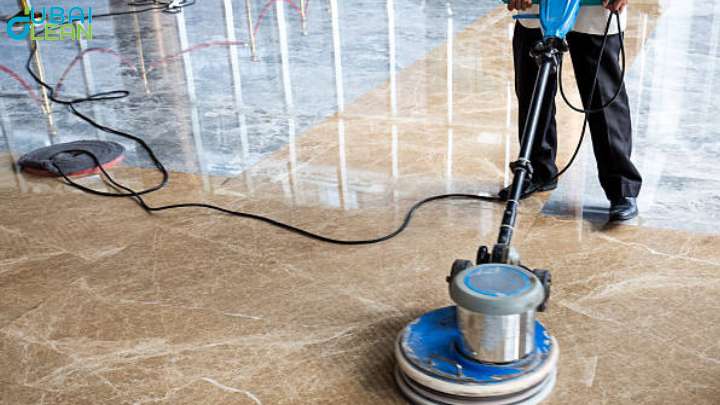
Marble polishing is the process of restoring the natural shine and elegance of marble surfaces by carefully grinding, buffing, and sealing them. Over time, marble can lose its luster due to foot traffic, spills, or exposure to dust and dirt. Polished marble not only enhances the aesthetic appeal of any space but also adds a sense of luxury and sophistication to homes and offices. Well-maintained marble floors and countertops are easier to clean, more resistant to stains and scratches, and can significantly increase the overall value of a property. Regular polishing ensures that marble retains its timeless beauty while providing a smooth, hygienic surface for everyday use.
1. Benefits of Marble Polishing
Marble polishing enhances the natural shine and elegance of your floors, countertops, and walls, giving any space a luxurious and sophisticated look. It increases the durability of marble surfaces by minimizing scratches, cracks, and wear from daily use. Polished marble also provides a protective layer against stains, spills, and damage, making maintenance easier and more efficient. This process adds significant value to your property, creating a premium impression for guests or potential buyers. Additionally, polished surfaces are easier to clean, promoting better indoor hygiene and a healthier living or working environment. Regular polishing ensures that marble retains its beauty and longevity, keeping your interiors fresh and inviting.
Enhances Shine & Aesthetic Appeal
Polishing marble brings out its natural shine and beauty, giving floors, countertops, and walls a luxurious, mirror-like finish. This smooth, glossy surface instantly brightens up any space and creates a sophisticated, elegant look that impresses guests and adds charm to your interiors.
Increases Durability of Marble Surfaces
Regular polishing strengthens marble surfaces by reducing tiny scratches, minor cracks, and surface imperfections. This process helps the stone withstand daily wear and tear, ensuring it remains strong and long-lasting, even in high-traffic areas like living rooms, offices, and lobbies.
Protects Against Stains & Scratches
Polished marble develops a protective layer that makes it less porous and resistant to spills, stains, and scratches. Whether it’s coffee, oil, or accidental drops, polished surfaces are easier to clean and maintain, preserving the marble’s flawless appearance for years.
Adds Value to Property
A well-polished marble surface can significantly increase the value of a property. Whether for resale or rental purposes, shiny and well-maintained marble creates a premium impression, signaling care, quality, and elegance to potential buyers or tenants.
Improves Indoor Hygiene & Cleanliness
Polished marble is easier to clean and less likely to harbor dust, dirt, or bacteria in its crevices. This ensures a healthier indoor environment, particularly important in kitchens, bathrooms, and commercial spaces where hygiene is a priority.
2. Types of Marble Polishing Techniques
There are several popular methods used to polish marble, each suited for different needs. The powder polishing method uses fine abrasive powders to remove light scratches and restore a smooth, reflective surface. Diamond polishing, on the other hand, employs diamond-embedded pads for deep polishing, making it ideal for worn or high-traffic areas. Crystallization uses chemical solutions to enhance shine while strengthening the marble, providing both beauty and durability. For minor scratches or dull spots, the honing process smooths the surface without creating a glossy finish, giving a natural, matte look. Choosing the right technique depends on the marble’s condition and the desired level of shine.
Powder Polishing Method
The powder polishing method uses fine abrasive powders to restore the marble’s shine. This technique is effective for removing light scratches and minor surface imperfections. It is often used for both residential and commercial spaces to achieve a smooth and reflective finish.
Crystallization Method
The crystallization method uses chemical solutions that react with the marble’s surface to enhance its shine and hardness. This process not only improves the marble’s appearance but also strengthens it, making it more resistant to scratches and stains.
Honing Process for Minor Scratches
Honing is a polishing technique that smooths the marble surface without creating a high-gloss finish. It is perfect for addressing minor scratches or dull spots while maintaining a more natural, matte look. Honing is often used before full polishing or in areas where a subtle sheen is preferred.
3. Marble Polishing Process Explained
The marble polishing process begins with thorough cleaning and preparation to remove dust, dirt, and any surface stains. Next, grinding smooths out scratches and imperfections, creating an even base for polishing. The surface is then polished using powders, diamond pads, or chemical solutions to restore its natural shine and elegance. Finally, a protective sealant is applied to guard against stains, moisture, and daily wear, ensuring the marble remains durable, hygienic, and visually stunning for years.
Surface Cleaning & Preparation
Before polishing, the marble surface must be thoroughly cleaned to remove dust, dirt, grease, and stains. Proper preparation ensures that the polishing materials work effectively and that the final shine is even and long-lasting. Any existing cracks or damages are also assessed and repaired at this stage.
Grinding for Smooth Finish
Grinding is done using abrasive pads or machines to level the surface and remove imperfections such as scratches, stains, or worn-out areas. This step smooths the marble, creating a uniform base that will make the polishing process more effective and enhance the stone’s natural beauty.
Polishing with Suitable Materials
After grinding, the marble is polished using powders, diamond pads, or chemical solutions, depending on the chosen technique. This step restores the marble’s glossy finish, highlights its natural patterns, and gives the surface a luxurious, mirror-like appearance that brightens the space.
Sealing for Long-Lasting Protection
The final step involves applying a sealant to protect the polished marble from stains, moisture, and daily wear. Sealing ensures the shine lasts longer, reduces maintenance needs, and keeps the surface durable and hygienic over time.
4. Maintenance & Tips for Marble Surfaces
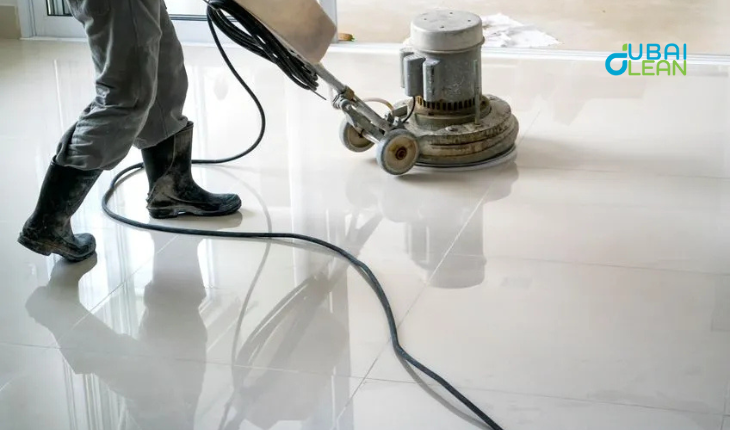
Proper marble maintenance is essential to keep your floors and countertops looking pristine for years. Regular cleaning with a soft cloth and pH-neutral cleaners prevents scratches and dullness, while avoiding harsh chemicals preserves the stone’s natural shine. Placing mats or rugs in high-traffic areas and using coasters on countertops helps protect against stains and etching. Periodic marble polishing by professionals restores luster and removes minor scratches, ensuring your surfaces stay smooth and elegant. Simple tips, like wiping spills immediately and avoiding abrasive tools, go a long way in extending the life and beauty of your marble surfaces
Daily Cleaning Practices
Regular cleaning with a soft cloth or mop helps keep marble surfaces free from dust, dirt, and spills. Wiping up stains immediately prevents them from settling into the stone, preserving its natural shine and smooth texture.
Using the Right Cleaning Products
Always use pH-neutral or marble-specific cleaners to avoid damaging the surface. These products effectively clean the marble without causing etching, dullness, or discoloration.
Avoiding Harsh Chemicals & Abrasives
Avoid bleach, ammonia, or acidic cleaners, as they can erode and stain marble surfaces. Similarly, do not use abrasive pads or scrubbers, which may scratch and dull the finish over time.
Periodic Professional Polishing
Hiring professional marble polishing services every 1–2 years helps restore the stone’s shine and repair minor scratches. Professionals use specialized techniques and equipment to maintain a long-lasting, glossy finish.
Protecting Marble from Heavy Furniture & Sharp Objects
Use furniture pads or coasters to prevent scratches, chips, or cracks from heavy items. Avoid dragging objects across marble floors or placing sharp tools directly on countertops to preserve their smooth surface.
5. Dangers & Risks of Poor Marble Care
Neglecting proper marble care can lead to serious problems for both your health and property. Unpolished or poorly maintained marble surfaces can accumulate germs, dust, and allergens, posing health risks, while slippery floors increase the chances of accidents. Over time, lack of care may cause permanent stains, cracks, and loss of shine, reducing the elegance of your floors and countertops. Financially, ignoring marble polishing can lead to costly repairs or replacements and may decrease the overall property value. Regular maintenance and professional polishing are essential to prevent these risks and protect your investment.
Health Risks
Neglecting marble care can lead to the accumulation of germs, dust, and allergens on unpolished surfaces, posing potential health risks for residents and office workers. Dirty or poorly maintained marble floors can also become slippery, increasing the risk of slips and falls, especially in high-traffic areas. Regular marble polishing and cleaning are essential to maintain a safe and hygienic environment.
Property Risks
Poor maintenance of marble surfaces can cause permanent stains, etching, and discoloration, which are difficult to remove over time. Lack of proper care may also lead to cracks and loss of shine, diminishing the elegance of your floors and countertops. Investing in professional marble polishing services helps protect your property and preserve the natural beauty of marble.
Conclusion
Marble polishing offers numerous benefits, including restoring the natural shine, enhancing durability, preventing scratches, and maintaining the luxurious appearance of your floors and countertops. Regular marble floor polishing not only improves aesthetics but also protects your property from permanent damage and costly repairs. To enjoy long-lasting elegance and a safe, hygienic environment, it is essential to maintain marble surfaces regularly and consider professional polishing services. Investing in proper care ensures that your marble remains beautiful, durable, and a valuable feature of your home or office for years to come.