


In every busy kitchen whether at home or in a restaurant the kitchen hood silently works hard to remove smoke, grease, and odors from the air. Kitchen hood cleaning is the process of removing accumulated grease, oil, and grime from the filters, ducts, and exhaust fans to keep the ventilation system running efficiently. Regular cleaning not only maintains a clean and odor-free kitchen but also ensures compliance with health and safety regulations. It’s a crucial part of kitchen hygiene that many overlook until issues arise.
When kitchen hood cleaning is ignored, grease buildup can become a serious hazard. Over time, it clogs filters, reduces airflow, and can even lead to kitchen fires or unpleasant odors lingering in the space. For restaurants in Dubai, this can result in inspection failures and costly repairs. While some homeowners attempt DIY cleaning, professional services are often recommended for deep and safe results. Experts use eco-friendly products and advanced equipment to ensure every part of the system from filters to ducts is spotless and functioning perfectly.
1. What Is Kitchen Hood Cleaning?
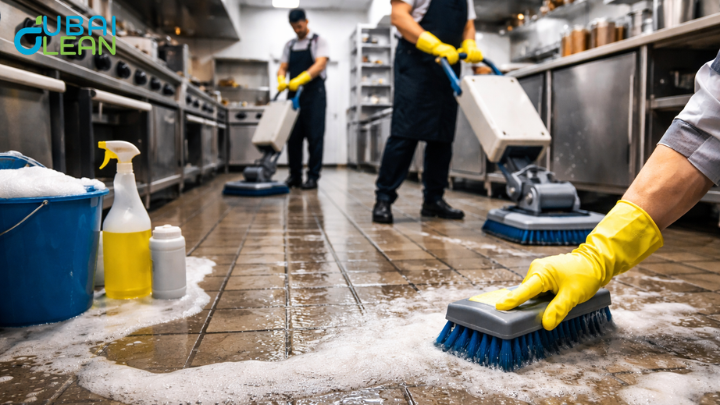
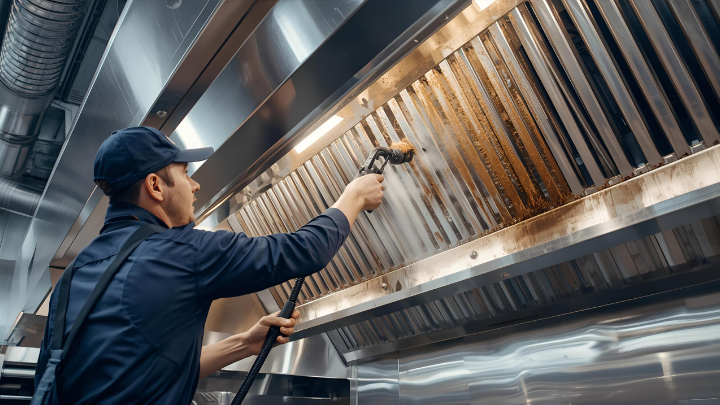
Kitchen hood cleaning is a detailed process that involves removing layers of grease, oil, and dirt that accumulate inside the hood, filters, ducts, and exhaust fans over time. The main goal is to keep the entire ventilation system clean and functional. Technicians typically start by detaching the filters and kitchen hood grill, soaking them in degreasing solutions, and scrubbing away built-up residue. The ducts and exhaust fan are also cleaned using specialized tools to ensure there’s no hidden grease that could restrict airflow or cause unpleasant odors. A properly cleaned hood system plays a vital role in maintaining good indoor air quality. By regularly cleaning the kitchen hood grill and filters, you prevent grease particles from circulating back into your cooking area.
2. Understanding Kitchen Hood Grill and Its Role
The kitchen hood grill plays a crucial role in maintaining a clean and safe cooking environment. It acts as the first barrier against airborne grease, smoke, and food particles, preventing them from entering the exhaust system. Over time, the grill collects sticky residue that can block airflow and cause unpleasant odors if not cleaned regularly. Keeping it clean ensures proper ventilation, reduces the risk of fire, and maintains better air quality in your kitchen. Regular washing of the kitchen hood grill also helps extend the life of your entire hood system, keeping it efficient and hygienic.
What Is a Kitchen Hood Grill?
A kitchen hood grill is the metal mesh or slatted cover located beneath the exhaust hood. Its primary purpose is to trap airborne grease, smoke, and food particles before they enter the ventilation ducts. This first line of defense ensures that only clean air passes through, helping maintain a safer and healthier cooking environment. In both residential and commercial kitchens, the grill works tirelessly to prevent grease buildup in hidden parts of the exhaust system.
Why Regular Cleaning Is Important
Over time, the kitchen hood grill becomes coated with layers of sticky grease and residue. If not cleaned regularly, it can easily clog, reducing suction power and trapping odors inside your kitchen. This not only affects ventilation efficiency but can also pose a fire risk if the grease ignites under high heat. Regular cleaning keeps airflow strong, prevents unpleasant smells, and maintains optimal performance of your ventilation system.
3. Kitchen Vent Hood Cleaning—Step-by-Step Process
The kitchen vent hood cleaning process involves deep cleaning the filters, ducts, and exhaust fan to remove accumulated grease and dirt. It starts with soaking the filters in a degreasing solution, scrubbing away grime, and thoroughly wiping the hood interior. For ducts and fans, professional cleaning ensures that hidden grease is removed to maintain proper airflow. Home kitchens typically need cleaning every few months, while commercial kitchens in Dubai require more frequent maintenance. Regular kitchen vent hood cleaning not only prevents fire hazards but also keeps your kitchen air clean, fresh, and free from odors.
Preparation and Safety Check
Before starting the cleaning process, turn off the power supply to the kitchen hood to ensure safety. Cover nearby cooking surfaces with plastic sheets or cloths to protect them from splashes and debris. It’s also best to wear gloves and use a degreaser suitable for stainless steel or aluminum surfaces.
Cleaning the Hood Interior and Ducts
Wipe down the inside of the kitchen vent hood using a microfiber cloth and degreaser. For ducts, professionals use high-pressure steam or specialized tools to remove deep-seated grease and dirt. This step ensures the exhaust system stays efficient and safe from potential fire hazards.
4. Kitchen Hood Maintenance—Best Practices
Regular kitchen hood maintenance is essential for keeping your ventilation system efficient, safe, and long-lasting. Simple habits like wiping the hood after cooking, cleaning filters and grills regularly, and checking airflow can prevent costly repairs. A consistent maintenance routine reduces grease buildup, eliminates odors, and minimizes fire risks. It’s also important to replace lights and worn-out filters to maintain proper functionality. By following these kitchen hood maintenance practices, homeowners and restaurants in Dubai can ensure better air quality, improved performance, and compliance with local safety standards.
Routine Maintenance Habits
Regular kitchen hood maintenance is the key to keeping your ventilation system working efficiently for years. Simple habits like wiping down the hood surface after cooking, checking the filters weekly, and monitoring airflow can prevent major issues later. A well-maintained hood not only performs better but also reduces the risk of fire, odor, and mechanical failure.
Preventive Measures for Long-Lasting Performance
To prevent grease accumulation and system damage, avoid using excessive oil when cooking and always turn on the hood before starting. Use the appropriate fan speed depending on your cooking intensity. Make sure to replace old or damaged filters promptly. Regular kitchen hood maintenance not only keeps your kitchen cleaner and more comfortable but also prolongs the life of your ventilation system while ensuring compliance with Dubai’s hygiene and safety regulations.
5. Kitchen Hood Cleaning Tips
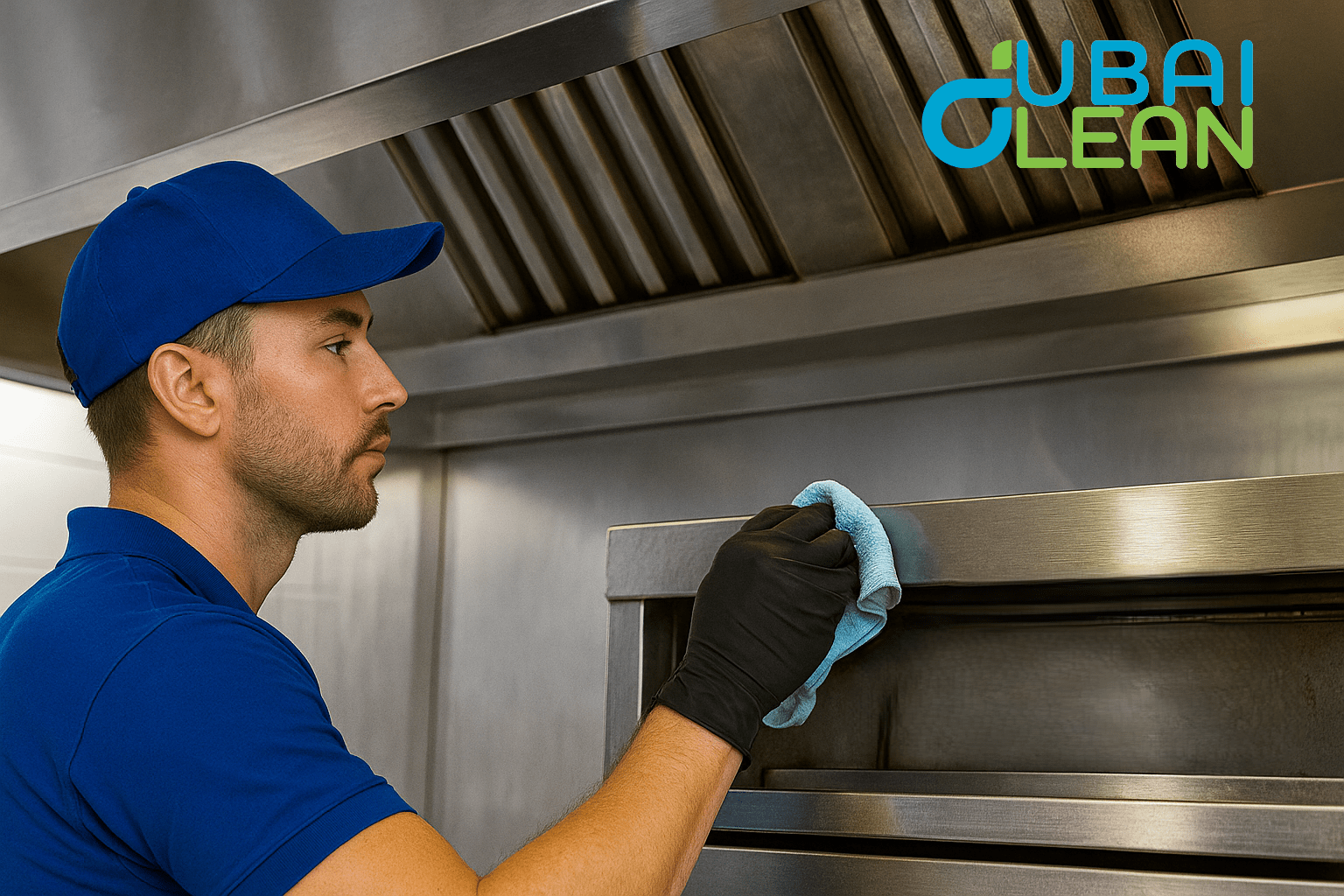
For homeowners, regular kitchen hood cleaning is essential to maintain a fresh and safe cooking space. Use natural cleaners like vinegar, baking soda, or lemon juice to remove grease and odors without damaging the surface. Always clean the hood exterior after cooking and soak filters in warm, soapy water every few weeks. Avoid harsh chemicals or metal brushes that can scratch or corrode the material. Make sure the filters are completely dry before reinstalling to prevent motor damage. Consistent kitchen hood cleaning keeps your kitchen efficient, hygienic, and odor-free.
Practical Cleaning and Deodorizing Tips
Keeping your kitchen hood clean doesn’t have to be complicated. Start by wiping down the exterior after every cooking session to prevent grease buildup. For a natural deodorizer, mix equal parts of vinegar and water in a spray bottle, apply it to the hood surface, and wipe clean with a soft cloth. You can also soak the filters in a mixture of warm water, dish soap, and baking soda to dissolve stubborn grease. These simple, eco-friendly methods keep your kitchen hood cleaning routine safe and effective.
6.Conclusion Danger of Ignoring Kitchen Hood Cleaning
Ignoring kitchen hood cleaning can lead to serious safety and health risks. Grease buildup inside the hood and ducts can easily ignite, causing dangerous kitchen fires. Poor ventilation from clogged filters traps smoke and odors, making the kitchen hot and uncomfortable. Over time, trapped moisture and grease can also encourage bacteria and mold growth, contaminating the air. Neglecting scheduled maintenance not only increases repair costs but also puts your kitchen’s hygiene and safety at risk. Regular cleaning keeps your cooking space safe, efficient, and compliant with Dubai’s fire safety standards.
Fire Hazards from Grease Buildup
Neglecting regular kitchen hood cleaning can turn your cooking area into a serious fire hazard. Over time, grease and oil accumulate inside the hood, filters, and ducts, creating a flammable layer that can easily ignite under high heat. Many kitchen fires in homes and restaurants start this way making routine cleaning essential for safety.
Poor Ventilation and Odor Problems
When grease clogs the filters and ducts, your ventilation system struggles to pull out smoke and steam efficiently. This leads to poor air circulation, lingering odors, and an uncomfortable cooking environment. In commercial kitchens, poor ventilation can also result in failed health inspections and customer complaints.
Bacteria Growth and Air Contamination
A neglected hood can harbor bacteria and mold, especially when moisture and grease mix inside the filters. This contamination can spread unpleasant smells and even impact the quality of air you breathe while cooking. Regular kitchen hood cleaning prevents these health risks and keeps your kitchen hygienic.
Conclusion
Regular kitchen hood cleaning and maintenance are essential steps toward ensuring a safe, hygienic, and efficient cooking environment. Whether it’s a home kitchen or a busy restaurant, keeping your hood, filters, and ducts clean prevents fire hazards, removes odors, and maintains good air quality. It’s not just about cleanliness, it’s about protecting your family, staff, and property from potential risks caused by grease buildup and poor ventilation. A well-maintained kitchen hood also improves energy efficiency, extends the lifespan of your ventilation system, and keeps your kitchen smelling fresh. Ignoring it, on the other hand, can lead to costly repairs, health issues, and safety violations.