


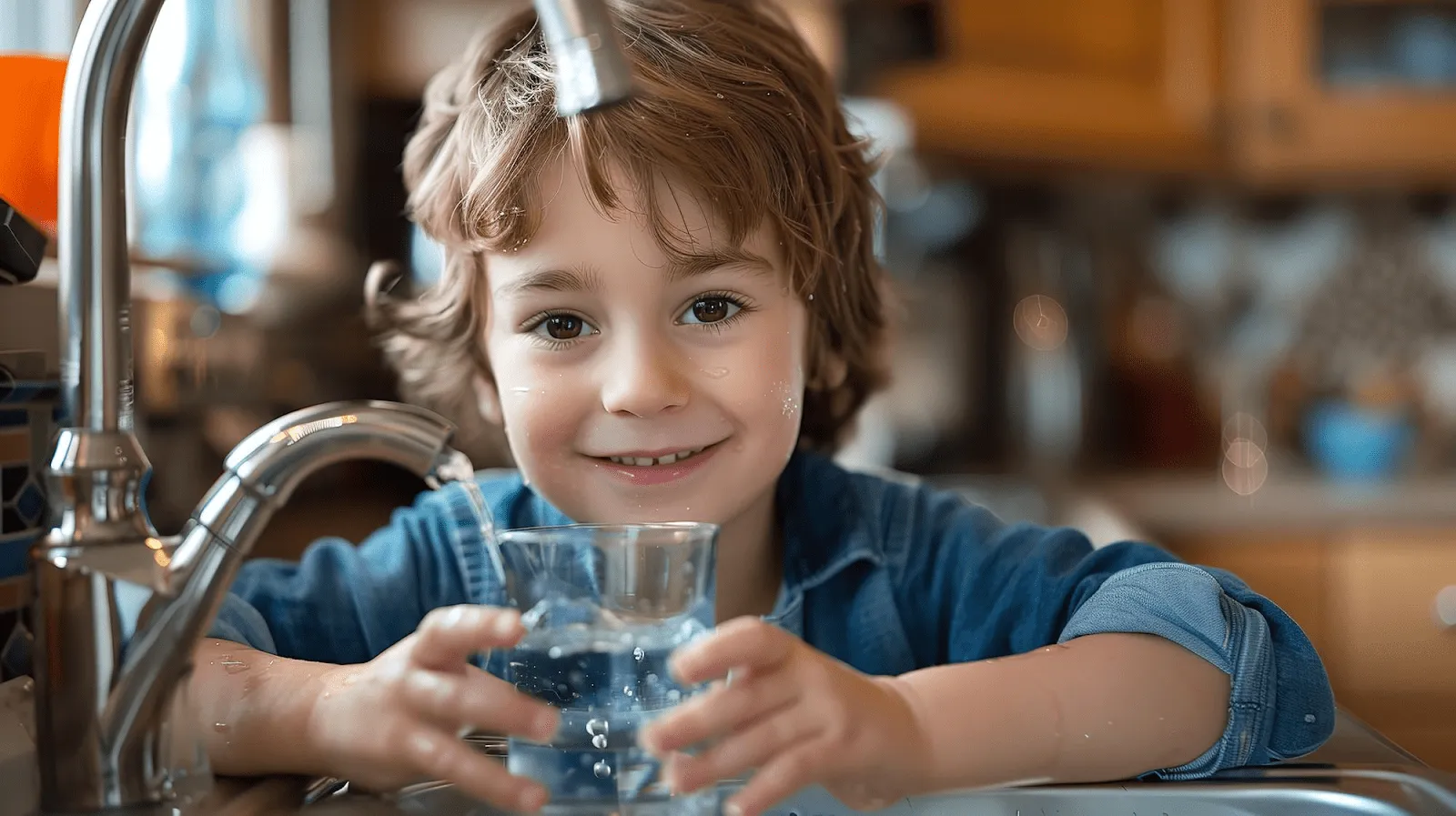
Water is life, especially in Dubai, where desalination, imported sources, and high demand make quality a priority. You may have cleaned your tank, serviced filters, or sanitized plumbing, but is your water truly safe? Even spotless systems can hide bacteria, chemical residues, or sediment.
Post-cleaning water testing is vital – done correctly, it ensures your water is not just clean, but safe for use.. Our focus is on practical, solution-based steps – empowering you to ensure your water is not just clean, but proven safe.
Why Cleaning Alone Doesn’t Guarantee Safe Water
1. Hidden Contaminants
Even after cleaning, water systems can harbor:
- Bacteria & pathogens like E. coli, Legionella, or Pseudomonas.
- Sediment or biofilms, microscopic layers that cling within pipes or tanks.
- Chemical residues, from cleaning agents or local water additives.
Without testing, you’re operating on blind trust, even if your system looks pristine.
2. Environmental Conditions in Dubai
Dubai’s hot climate, chlorine-treated water, and desalination systems can accelerate biofilm growth or chemical interactions in plumbing. The sheer heat can provoke bacterial blooms overnight.
3. Regulatory Standards & Health Concerns
Though the UAE has stringent drinking water standards, ensuring those are met after cleaning requires testing. Without verification, you’re risking health – even when compliance is presumed.
The Power of Post-Cleaning Water Testing
Testing after cleaning lets you:
- Validate that your cleaning or sanitization worked.
- Detect lingering threats before they cause harm.
- Document water safety for yourself, your family, or regulatory compliance.
- Take Immediate Corrective Action, if needed.
Types of Water Tests: What, When, and How
Here’s a detailed breakdown:
Common Post-Cleaning Water Test Types
| Test Type | Detects | When to Use | Typical Dubai Context |
| Microbiological (e.g., Total Coliforms, E. coli) | Bacteria, pathogens | Immediately after cleaning, weekly/monthly | Tap, tank, RO system |
| Turbidity & Visual Clarity | Sediment, cloudiness | Right after system flush | Tank, storage |
| Residual Disinfectant (e.g., Chlorine) | Remaining sanitizer level | Right after cleaning/sanitizing | Water transport, tanks |
| pH & Conductivity | Balance of acidity/alkalinity, salts | Post-treatment/purification | RO systems, mixing tanks |
| Chemical Residues (e.g., cleaning agents, heavy metals) | Cleaning chemicals, pollutants | After chemical cleaning | Large tanks, industrial systems |
Step-By-Step: How to Conduct Post-Cleaning Water Testing in Dubai
1. Prepare & Plan
- Identify your system: tank, taps, RO, cooling tower, etc.
- Choose your test types based on what contaminants could be present.
- Use accredited labs – many Dubai-based providers are UAE-licensed.
2. Collect Samples Properly
- Use sterile containers (usually provided by labs).
- Run water for 2 – 3 minutes to flush pipes.
- Avoid touching inside surfaces or lids to prevent contamination.
3. Send to Lab & Get Results
- Dubai labs typically take 24 – 48 hours for standard microbial analysis.
- Review results against WHO or UAE drinking water limits for each parameter.
4. Interpret & Act
- If everything’s within acceptable limits: congratulations, you’re good to go.
- If any parameter fails:
- Re-clean the specific system (flush, sanitize again).
- Re-test after re-cleaning.
- For persistent issues, consult a qualified technician or review your cleaning protocol.
- Re-clean the specific system (flush, sanitize again).
5. Document the Entire Process
- Keep records of cleaning date, test date, results, and actions taken.
- Critical for hotels, restaurants, or businesses to demonstrate due diligence.
Solutions at Every Step: Minimizing Re-contamination
1. Smart Material Choice
Use rust-resistant, food-grade materials in tanks and pipelines to minimize biofilm formation.
2. Routine Maintenance & Inspection
- Visual checks for sediment, rust, or debris.
- Sanitize every 6 months or sooner in hot seasons.
3. Automated Monitoring Systems
Some systems can track turbidity or chlorine residual in real time – helpful for industrial setups.
4. Follow Standardized Cleaning Protocols
Refer to internationally recognized guidelines that Dubai cleaning providers use. Look for professional standard operating procedures to ensure nothing is missed.
5. Educate Your Team or Family
Make sure anyone involved knows:
- When to test
- How to collect samples properly
- What to look out for
Realistic Dubai Scenarios & Solutions
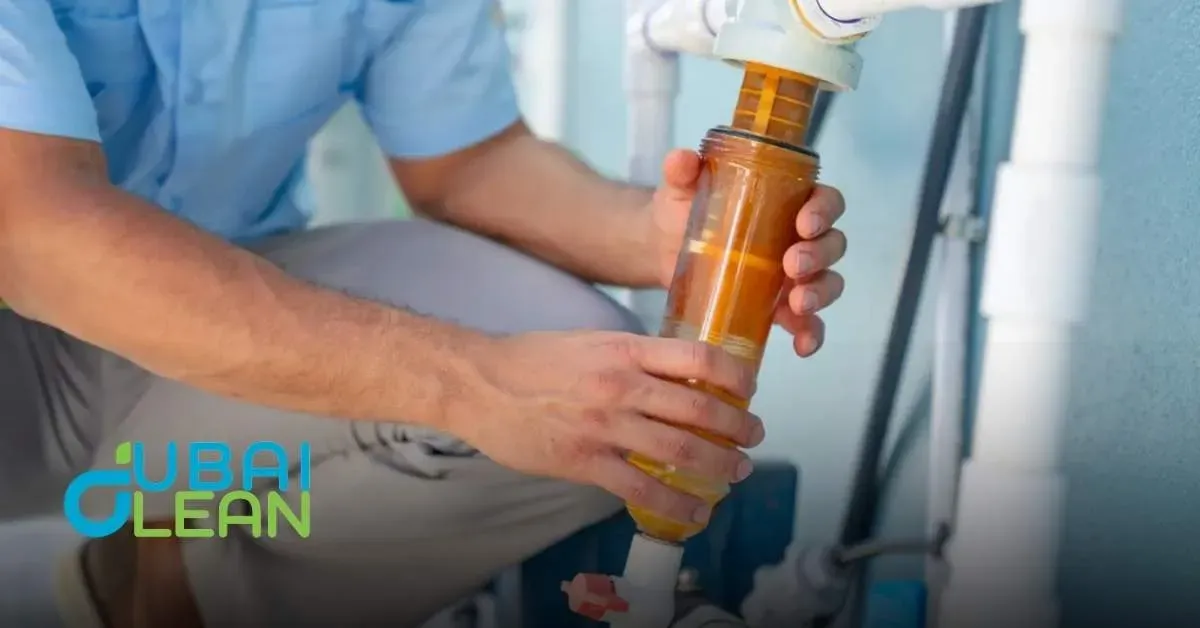
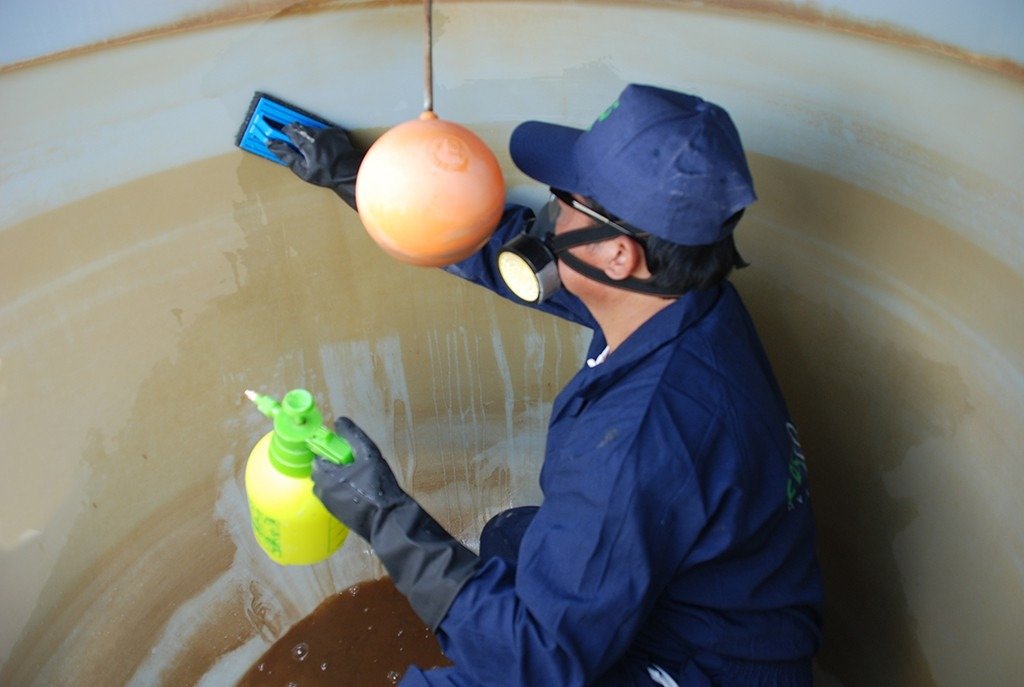
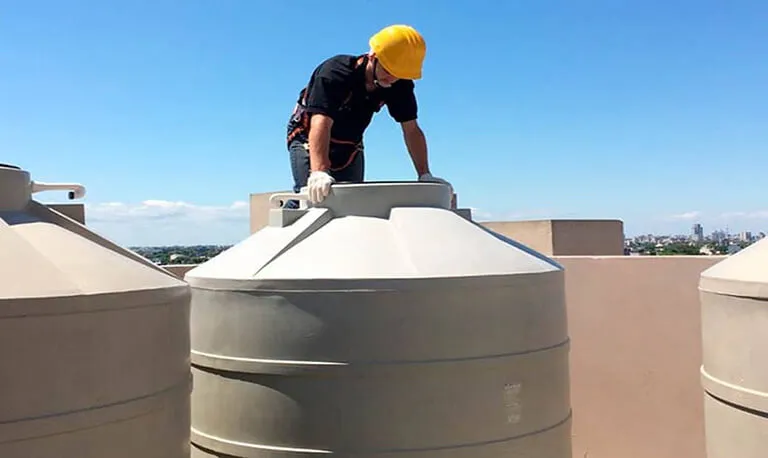
- Home water tank cleaning: flush, sanitize, test coliform levels. Re-clean if needed.
- Commercial kitchen plumbing: test after deep cleaning. Use food-grade sanitizers and validate through lab results.
- RO or filtration systems: monitor pH and conductivity. If your laboratory shows sudden spikes, check membranes or flushing sequences.
- Industrial cooling towers or pools: check for Legionella and turbidity. Require more frequent and specific tests.
Case Study Snapshot (Hypothetical, Illustrative)
Scenario: A villa in Jumeirah completes a quarterly tank cleaning. Traditional visual check shows “looks clean.”
The next day, samples were collected and sent to the lab. Result: Total coliforms: 5 CFU/100 mL (above acceptable 0). Action: Re-sanitized with chlorine, retested in 2 days – result: 0 CFU. Only through testing did the homeowner catch the issue, avoiding potential illness.
Building an Action Plan Template for Dubai Homes & Businesses
Post-Cleaning Water Safety Action Plan
| Step | Action | Who’s Responsible |
| 1 | Clean or sanitize system | Technician or homeowner |
| 2 | Flush water for 2 – 3 minutes | Same maintenance person |
| 3 | Collect lab-provided sterile sample | Technician/homeowner |
| 4 | Submit to accredited Dubai lab | Maintenance team |
| 5 | Review results against standards | Facility manager/homeowner |
| 6 | If fail: re-clean, re-test | As needed |
| 7 | Document all steps | Record-keeper |
| 8 | Schedule next test date | Facility/home manager |
Following this structured approach ensures no steps are overlooked, especially in busy Dubai routines.
FAQs
Conclusion
Post-cleaning water testing is essential in Dubai’s climate, where biofilm, chemicals, and microbes can persist even after cleaning. The only way to confirm safety is to test.
From sampling to interpreting results and taking action, the steps in this guide help you maintain proven water safety. Whether at home or in a business, aim for more than just clean-looking water – choose water that’s tested and meets professional safety standards.