



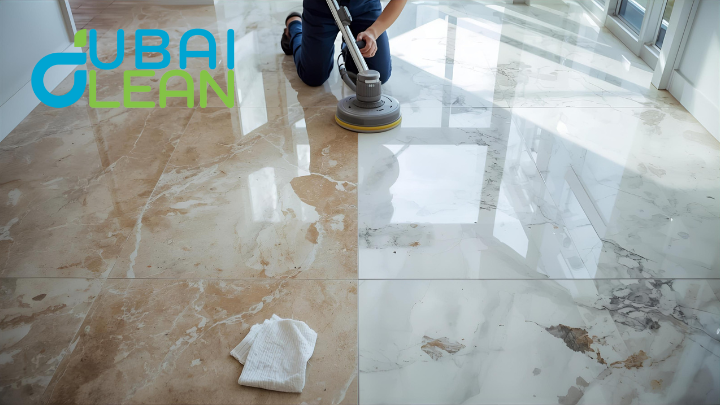
Marble is admired for its timeless beauty and luxury, making it a preferred choice for floors, countertops, and other surfaces. However, this natural stone is delicate and reacts quickly to acidic substances, heavy foot traffic, and improper cleaning methods. Its porous structure makes it prone to etch marks, scratches, stains, and a dull appearance over time.
Everyday spills like coffee, wine, or juice can leave etches, while dragging furniture or sharp objects causes scratches. Dirt and moisture build-up can also lead to deep stains and loss of shine. That’s why proper care and professional polishing are essential to restore smoothness, reflectiveness, and keep marble looking stunning for years.
1. Understanding Marble Surface Damage
Marble is a stunning natural stone, but it is highly sensitive to everyday wear. Acidic liquids such as lemon juice, vinegar, wine, and harsh cleaners often cause etching, leaving dull, whitish spots that spoil the polished finish. Scratches are another common issue, usually caused by grit, dirt, or dragging heavy furniture, while stains penetrate the porous stone, creating discoloration from oil, coffee, or rust. Over time, frequent use and poor cleaning habits can also lead to dullness, stripping marble of its natural shine.
Because marble is so vulnerable, it requires more than simple mopping or household products to stay in top condition. Harsh chemicals can worsen the damage, which is why professional marble polishing is the best solution. Using diamond abrasives, polishing powders, and stone-safe sealants, experts not only restore the surface to its original beauty but also provide lasting protection against future wear.
2. Removing Etch Marks from Marble Floor
Etch marks are one of the most visible and frustrating issues homeowners face with marble surfaces. These marks appear as dull, cloudy spots that break the uniform shine of the stone. They are most commonly caused by acidic spills such as citrus juice, vinegar, wine, or coffee. Even some everyday cleaning products that contain acidic or abrasive ingredients can trigger etching, leaving marble floors looking uneven and worn.
For light etch marks, there are a few effective DIY solutions. Polishing powders specifically designed for marble can be gently buffed onto the surface using a soft cloth or a low-speed polisher. Mild abrasives, when used carefully with water, can also help to smooth out the damaged area and restore some of the stone’s reflective finish. It’s important, however, to avoid harsh scrubbing pads or common household cleaners, as they can make the problem worse.
When etching is more severe, DIY methods may not be enough. Professional marble restoration services use diamond polishing pads, specialized polishing compounds, and advanced techniques to completely remove deep etch marks. Experts can also reseal the marble after treatment, protecting it from future damage and ensuring a long-lasting glossy finish. Choosing professional restoration not only revives the floor’s natural beauty but also extends the lifespan of the marble.
3. Scratch Repair with Marble Polishing
Marble floors can develop scratches ranging from light surface marks to deep gouges, but with the right polishing methods, these imperfections can be repaired to restore the stone’s smooth and elegant finish.
Types of Scratches on Marble Floors
Scratches are a common issue that reduce the elegance of marble surfaces. Light surface scratches usually occur when dirt, grit, or sand is dragged across the floor by foot traffic. Deeper gouges are often caused by moving heavy furniture without protection or sharp objects scraping the surface. Identifying whether scratches are minor or deep helps determine the right repair method.
Polishing Out Minor Scratches
For light surface scratches, simple polishing techniques can make a big difference. Start by cleaning the area thoroughly to remove dust and debris. Then, use a fine-grit marble polishing powder or a specialized pad with water to gently buff the scratch in circular motions. Once the area is polished, rinse and dry the surface before applying a marble sealer to protect it from future wear. This process can restore the shine of small scratches without professional assistance.
Professional Repair for Deep Scratches
DIY methods are often ineffective for deep, visible scratches. In such cases, professional marble polishing services are recommended. Experts use diamond abrasives and specialized equipment to grind and resurface the marble, removing the damage while restoring a smooth, glossy finish. This not only eliminates the scratches but also revives the overall appearance of the floor.
4. Deep Stain Removal from Marble
Identifying Different Types of Stains: Marble floors are prone to stains because of their porous nature. Oil-based stains from cooking oil, grease, or cosmetics often create dark patches that sink into the stone. Rust stains appear as reddish-brown marks caused by metal objects, while organic stains from coffee, tea, or wine leave dark discolorations. Water marks or rings are usually the result of mineral deposits settling into the pores of the marble.
How Poultice Application Works: One of the most reliable methods for treating deep stains is poultice application. A poultice is a paste made from a cleaning agent such as baking soda, hydrogen peroxide, or a marble-safe chemical mixed with an absorbent material like talc powder or paper. Applied directly to the stained area and sealed with plastic wrap, the poultice draws out the stain over 24 to 48 hours. Depending on the severity, multiple applications may be necessary to fully restore the marble’s original color.
Preventing Future Stains with Sealing: To avoid recurring stains, sealing the marble is essential. A high-quality marble sealer penetrates the stone, forming a protective barrier that resists liquids and makes cleaning easier. Regular resealing, along with the use of coasters, mats, and marble-safe cleaners, helps preserve the stone’s beauty and ensures long-term protection. With proper prevention, marble floors can remain spotless and elegant for years.
5. Restoring Dull Marble Shine
Marble floors often lose their natural shine over time due to foot traffic, dirt buildup, or the use of harsh cleaners that damage the polished surface. This can leave the stone looking dull, faded, and uneven, taking away from its elegance.
Restoring shine requires polishing, with powder polishing suitable for lightly worn surfaces and diamond polishing ideal for deeper dullness or imperfections. After polishing, sealing is essential to protect the stone from stains and moisture while preserving its glossy finish. With regular maintenance and resealing, marble floors can maintain their radiant, mirror-like beauty for years.
6. Professional vs. DIY Marble Restoration
Choosing between DIY and professional marble restoration depends on the type and extent of damage. While DIY works for minor issues, professional services deliver long-lasting results for deeper restoration needs.
| Option | Pros | Cons | Best For |
| DIY Marble Restoration | Cost-effective, good for minor scratches, stains, and etch marks, can be done with basic tools like polishing powders or poultices. | Time-consuming, requires patience and skill, risk of worsening damage if wrong products or methods are used. | Small issues and light surface maintenance. |
| Professional Marble Restoration | Advanced tools and expertise, handles deep scratches, severe etching, and tough stains, includes sealing for long-lasting protection. | Higher upfront cost compared to DIY. | Major damage, long-term durability, and preserving property value. |
7. Preventive Care Tips for Marble Floors
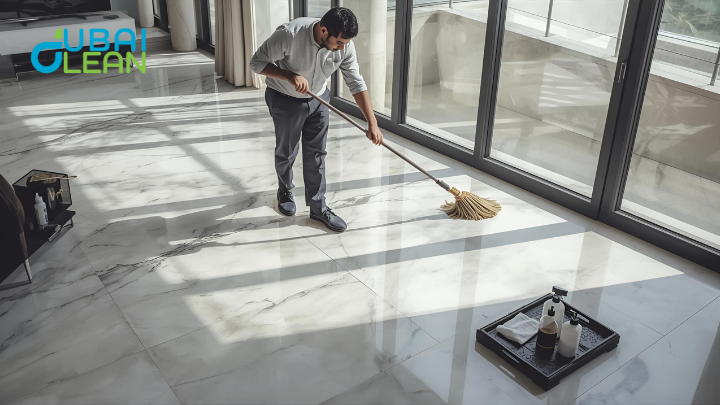
Keeping marble floors elegant and damage-free starts with a simple cleaning routine. Daily sweeping or vacuuming removes grit that can scratch the surface, while gentle mopping with a damp cloth keeps it fresh. Spills should be wiped up immediately especially acidic ones like coffee, wine, or citrus to prevent stains and etching.
Equally important is using the right products and following basic care rules. Always choose pH-neutral, marble-safe cleaners instead of harsh chemicals that can dull the shine. Place mats in high-traffic areas, reseal floors periodically, and avoid dragging heavy furniture across the surface. With these preventive steps, marble floors can retain their natural beauty and reduce the need for costly restoration.
8. Conclusion
Marble floors may be prone to damage, but the good news is that almost every issue from etch marks and scratches to deep stains and dullness can be fully restored with the right care. With proper techniques, marble can regain its smooth finish, radiant shine, and timeless elegance, making it a lasting investment in your home or business.
While small problems can sometimes be managed with DIY methods, professional polishing services ensure lasting results and complete restoration. Experts not only remove surface imperfections but also apply protective treatments that keep marble looking stunning for years.Contact our expert marble polishing team in Dubai today and let us restore your floor’s natural beauty with precision and care.