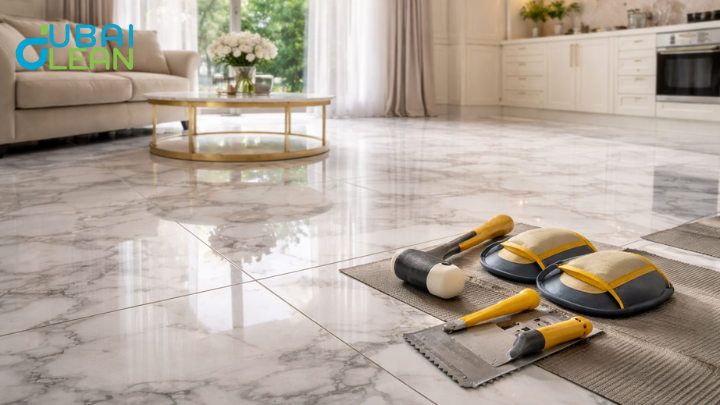



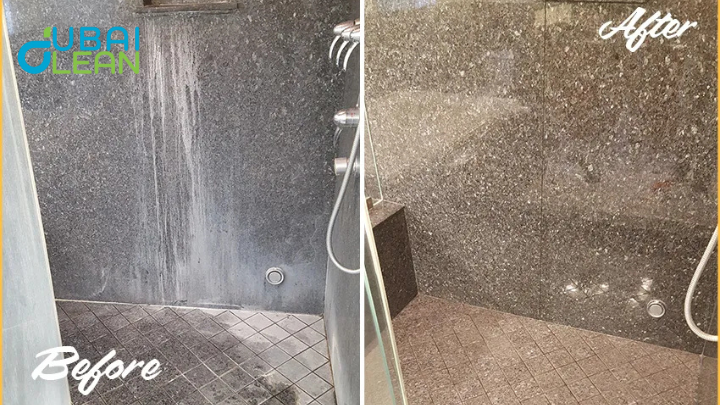
Marble floors exude luxury and sophistication, bringing a timeless charm to any room. Yet, they may lose their shine due to daily wear, stains, or age. Reviving an old marble floor restores its beauty and boosts its longevity, making it a wise investment for any home or business in Dubai. No matter if your marble floor is dull, stained, or scratched, a complete restoration including deep cleaning, precise grinding, professional polishing, and protective sealing can revive its natural shine and elegance. In this guide, we’ll take you through the restoration steps, share expert tips for tackling small and larger issues, and explain why professional services in Dubai are the best solution.
1. Understanding Marble Floor Restoration
Marble floor restoration focuses on safely reviving the natural beauty, durability, and value of marble surfaces that have deteriorated over time. Daily foot traffic, improper cleaning chemicals, moisture exposure, and accidental spills can gradually damage marble, causing dullness, stains, and surface wear. Expert marble restoration is performed by skilled professionals who know how to handle the stone’s fragile nature, applying proven techniques that bring back its shine while preserving its strength and durability.
One of the most common concerns addressed during restoration is the loss of shine, often caused by residue buildup and micro-abrasions. Through controlled grinding, honing, and polishing, professionals remove damaged surface layers and restore a smooth, reflective finish. Discolouration and stains, another frequent issue due to marble’s porous nature, are treated using stone-safe cleaning solutions and poultices that draw out contaminants while preserving the marble’s original colour and texture.
Beyond appearance, marble restoration plays a crucial role in maintaining structural safety and longevity. Scratches, cracks, and chips are carefully repaired using resin filling and precision techniques that reinforce the stone and prevent further deterioration. Choosing a professional marble restoration service ensures that repairs meet safety standards, extend the life of the flooring, and protect your investment delivering not just visual improvement, but long-term reliability and peace of mind.
2. Steps to Restore an Old Marble Floor
Cleaning is the foundation of marble floor restoration and must be done correctly to avoid permanent damage. Over time, dust, grease, and improper cleaning residues build up on the surface, reducing shine and masking underlying issues. Using the wrong chemicals at this stage can etch the marble and worsen existing damage. Professional-grade, marble-safe cleaning ensures the floor is properly prepared for grinding, polishing, and repairs while protecting the stone’s natural structure.
| Aspect | Professional Method (EEAT) | Safety & Best Practice (YMYL) |
|---|---|---|
| Cleaning Solution | Use a pH-neutral cleaner specifically formulated for natural marble surfaces | Prevents chemical etching and surface weakening |
| Cleaning Tools | Soft microfiber cloths or non-abrasive mops are used to avoid scratching | Reduces risk of micro-scratches that trap dirt |
| Stain Treatment | Stone-safe poultice applied to draw out deep stains without abrasion | Protects marble pores and original colour |
| Drying Process | Floor is dried thoroughly to prevent moisture absorption | Prevents water stains and long-term discolouration |
3. DIY Marble Restoration
DIY marble restoration: can be appealing if you enjoy hands-on projects and want to reduce upfront costs. Handling the work yourself offers flexibility, personal control over the process, and the satisfaction that comes from restoring your own space. For minor issues such as light surface dirt or dullness, basic cleaning and gentle polishing may deliver acceptable short-term results when the correct, marble-safe products are used with care.However, marble is: a sensitive natural stone, and DIY restoration carries clear risks. Without professional expertise and specialised equipment, mistakes such as using acidic cleaners, uneven grinding, or excessive pressure can cause permanent etching, deep scratches, or an uneven finish. DIY work is also time-intensive and may still fall short of professional results, especially for heavily worn or damaged floors. From a safety and investment perspective, professional marble restoration remains the more reliable option for preserving the stone’s appearance, structural integrity, and long-term value.
4. Professional Marble Restoration
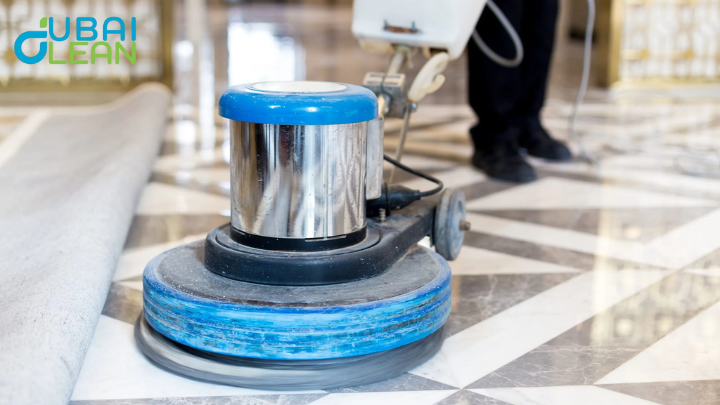
Professional marble restoration delivers expert care that enhances your floor’s beauty while safeguarding its long-term strength and durability. Trained specialists assess the stone’s condition and apply proven restoration techniques tailored to the type of marble and level of damage. Using industry-grade equipment and stone-safe products ensures consistent, high-quality results. This approach minimises risk and delivers a durable, polished finish suitable for homes and commercial spaces.
Expert Care for marble
Professional marble restoration ensures skilled handling of complex issues such as deep scratches, stains, cracks, and uneven surfaces using proven techniques. Superior Finish: Access to advanced equipment and high-quality materials allows professionals to deliver a smooth, glossy, and uniform result. Efficiency: Experienced teams complete the work within a planned timeframe, minimising disruption to homes and businesses.
5. How to restore discoloured marble
Discoloured marble can make even a well-maintained space look dull and worn. Restoring its natural colour requires careful cleaning, stain removal, and professional techniques to avoid further damage. Using the right products and methods ensures that the marble regains its original elegance while maintaining its durability and surface integrity.
- Identify the type of stain or discolouration before starting treatment.
- Use a pH-neutral cleaner to gently remove surface dirt and grime.
- Apply a poultice for oil-based or deep-set stains to draw out impurities.
- Avoid acidic or abrasive cleaners that can etch or damage the marble.
- Rinse thoroughly with clean water to remove all cleaning residues.
- Dry the surface completely to prevent water spots or mineral deposits.
- For stubborn stains, consider professional-grade stain removers or treatments.
- Polish the marble with a stone-safe polishing compound to restore shine.
- Seal the marble after cleaning and polishing to prevent future discolouration.
Conclusion
Restoring your marble floor to its natural elegance combines careful cleaning, grinding, polishing, and ongoing maintenance to address imperfections and revive its shine. After restoration, regular cleaning, sealing, and protective measures help preserve the floor’s finish and prevent future damage. Whether you opt for a DIY approach or professional restoration, following the correct steps ensures lasting results. With proper care, your marble floor will continue to enhance your space with timeless beauty, while professional restoration not only improves appearance but also extends the stone’s durability, making it a wise long-term investment.