




Clean windows are essential for homes and offices, not only enhancing the overall appearance but also allowing natural light to brighten interiors and create a welcoming atmosphere. In busy environments or places with dust, humidity, and occasional sandstorms, such as Dubai, windows can quickly accumulate tough stains, water spots, and stubborn streaks that are difficult to remove with simple wiping. Fortunately, there are safe and effective ways to tackle these challenges, ranging from easy DIY solutions using household items to professional cleaning techniques, all designed to achieve sparkling, streak-free glass without causing scratches or damage.
1. How to Clean Windows Without Scratching
Cleaning windows without scratching requires using the right tools, solutions, and techniques. Soft microfiber cloths, gentle sponges, or a quality squeegee work best, while steel wool or abrasive pads should be avoided. Mild dish soap with warm water or a vinegar-water mix cleans effectively without damaging the glass. Always start from the top, use circular motions to loosen dirt, and finish with vertical strokes for a streak-free, sparkling finish. Proper care ensures clear, undamaged windows every time.
Choose the Right Tools
Using the right tools is essential to clean windows safely and effectively. Soft microfiber cloths, gentle sponges, and quality squeegees are ideal because they lift dirt and grime without scratching the glass. Avoid steel wool, rough brushes, or abrasive scrubbing pads, as these can leave permanent marks or damage the window surface. Investing in proper tools ensures your windows stay spotless and scratch-free for years.
Gentle Cleaning Solutions
The cleaning solution you use plays a major role in protecting your glass. A mix of mild dish soap and warm water works well for everyday dirt and dust, while a vinegar-water solution provides a natural alternative for tackling stubborn stains. Apply the solution carefully and avoid excessive pressure, as harsh scrubbing can scratch the surface. These gentle solutions clean effectively while preserving the integrity of your windows.
2. Best Way to Clean Stubborn Window Stains
To clean stubborn window stains effectively, start by identifying the type of stain, such as hard water deposits, grease, mineral buildup, or paint splashes. Use targeted solutions like vinegar and baking soda for mineral deposits, commercial glass cleaners for grease, and lemon juice for organic stains. For tougher residues, gently scrape with a plastic scraper or razor at a low angle, avoiding excessive pressure to prevent scratches. Combining the right solution with safe techniques ensures clear, streak-free windows every time.
Identify the Type of Stain
The first step in tackling stubborn window stains is to identify what’s causing them. Common stains include hard water deposits, grease, mineral buildup, or even paint splashes. Knowing the type of stain helps you choose the most effective cleaning method and prevents damage to the glass.
Use Targeted Cleaning Solutions
Using targeted cleaning solutions makes removing window stains more effective and safe. For mineral deposits and hard water spots, a mixture of vinegar and baking soda works well. Commercial glass cleaners are ideal for grease, dirt, and fingerprints, while lemon juice can tackle organic stains naturally. Applying the right solution carefully ensures the glass stays streak-free and scratch-free, making cleaning easier and more efficient.
- Vinegar and baking soda work well for mineral deposits and lime scale.
- Commercial glass cleaners are ideal for grease, fingerprints, and dirt.
- Lemon juice can help remove organic stains naturally without harsh chemicals.
Apply the solution carefully to avoid over-wetting or streaking the glass.
Scraping Safely
For tough residues, safe scraping can help remove stains without scratching the glass. Use a plastic scraper or hold a razor blade at a low angle to gently lift the stain. Avoid applying excessive pressure, as this can leave marks or damage the window. Careful scraping combined with proper solutions restores clear, streak-free windows.
3. Remove Water Spots from Glass Windows
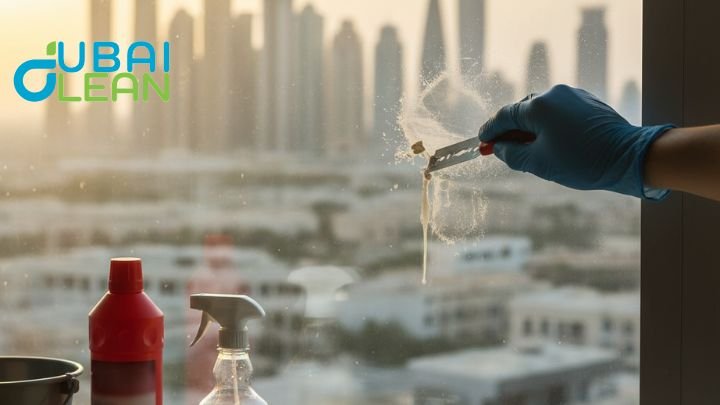
Water spots on windows are usually caused by mineral deposits left behind after rain or cleaning. To remove them, mix equal parts white vinegar and water, apply to the spots, and let it sit for a few minutes before wiping with a soft cloth. For stubborn stains, commercial water spot removers can effectively dissolve mineral buildup. To prevent future spots, maintain a regular cleaning schedule and always wipe windows dry after washing or rainfall. This simple routine keeps your glass clear, shiny, and streak-free.
Vinegar Solution Method
Water spots on windows are often caused by mineral deposits left behind by rain or cleaning. A simple and effective way to remove them is by mixing equal parts white vinegar and water. Apply the solution to the affected areas, let it sit for 5–10 minutes, and then wipe gently with a soft cloth for a clear, streak-free finish.
Commercial Water Spot Removers
For stubborn water spots that don’t respond to home remedies, commercial water spot removers can be very effective. These products come in sprays or wipes specifically designed to dissolve mineral buildup. Always follow the manufacturer’s instructions carefully to ensure safe and effective use without damaging the glass.
Prevent Future Spots
Preventing water spots is easier than constantly removing them. Establish a regular window cleaning schedule and always wipe windows dry after rain or washing. This simple routine minimizes mineral deposits, keeping your windows sparkling clean and streak-free over time.
4. Professional Methods to Clean Window Glass
Professional window cleaning uses specialized tools and expertise to achieve spotless results, especially for high-rise or hard-to-reach windows. Water-fed poles with purified water, industrial squeegees, and scrapers tackle tough stains safely. Experts can remove paint, cement, and adhesive residues without scratching or damaging the glass. Regular professional cleaning, combined with routine DIY maintenance, ensures windows stay sparkling, streak-free, and well-protected over time.
Professional Tools and Equipment
Professional window cleaners use specialized tools to achieve spotless results, especially for high-rise or hard-to-reach windows. Water-fed poles with purified water remove dirt effectively, while industrial squeegees and scrapers tackle tough stains that are difficult to clean with household tools. Using the right equipment ensures efficient and safe cleaning.
Expertise in Stain Removal
Trained professionals can safely remove stubborn residues like paint, cement, or adhesive without scratching or damaging the glass. Their experience minimizes the risk of errors and ensures a crystal-clear finish, even on delicate or large window surfaces.
5. Common Window Cleaning Mistakes to Avoid
Many people make mistakes that can damage their windows or leave streaks. Using abrasive tools like steel wool or rough brushes can scratch the glass, while harsh chemicals such as bleach or strong acids may harm coatings. Cleaning windows in direct sunlight often causes solutions to dry too quickly, leaving streaks. Applying excessive pressure or neglecting frames and regular maintenance can also lead to poor results. Avoiding these common errors ensures sparkling, scratch-free, and long-lasting windows.
Using Abrasive Tools
One of the most common mistakes in window cleaning is using abrasive tools like steel wool, rough brushes, or harsh scrubbing pads. While they may seem effective, these tools can scratch or permanently damage the glass surface. Using soft microfiber cloths, sponges, or quality squeegees is the safest way to achieve a streak-free finish.
Harsh Chemicals
Many people make the mistake of using strong acids or bleach-based cleaners, thinking they will remove stubborn stains faster. In reality, these harsh chemicals can damage the glass or any protective coatings on the window. Instead, stick to mild soaps, vinegar-water solutions, or commercial glass cleaners designed for safe, effective cleaning.
Cleaning in Direct Sunlight
Cleaning windows under direct sunlight is another common error. The heat causes the cleaning solution to dry too quickly, leaving streaks and water spots on the glass. For the best results, clean windows during the early morning or late afternoon when the sun is less intense, ensuring a clear, streak-free shine.
Conclusion
Keeping windows clean requires a combination of safe, effective, and professional methods. Using the right tools, gentle cleaning solutions, and proper techniques ensures sparkling, streak-free results without scratching or damaging the glass. Regular and consistent window cleaning not only prevents tough stains, water spots, and grime buildup but also extends the lifespan of your windows and maintains their clarity. Incorporating both DIY maintenance and occasional professional cleaning provides the best results, especially for high-rise or hard-to-reach areas.