



Marble flooring adds elegance and luxury to any space, but it comes with one significant vulnerability: acid stains. Even something as simple as lemon juice, vinegar, or a bathroom cleaner can etch the marble surface, leaving dull, discolored patches that can be frustrating to remove. In Dubai, where marble is widely used in upscale homes and commercial spaces, knowing how to properly remove acid stains is a must.
In this blog, we’ll explain what acid stains are, how they affect marble, and most importantly — how you can treat and prevent them.
What Causes Acid Stains on Marble?
Marble is a soft, calcium-based natural stone that reacts with acidic substances. When acids come in contact with marble, they trigger a chemical reaction that “etches” the surface — this is not just a stain, but actual surface damage. Common causes include:
- Citrus juices (lemon, orange)
- Vinegar
- Wine
- Bathroom cleaning products
- Harsh tile cleaners or bleach
Even accidental spills that go unnoticed for a short while can leave lasting damage on marble flooring, which is why it’s essential to act quickly when a spill happens.
Identifying Acid Stains vs. Regular Stains
Before attempting to clean, it’s important to know whether you’re dealing with an acid stain or a surface stain:
- Acid Stain (Etching): The surface appears dull or feels rough when touched. It may look lighter or slightly discolored. These stains tend to spread and become more visible under bright lighting.
- Regular Stain: Usually darker in color and does not affect the shine or smoothness of the marble. These can often be removed using simple cleaning solutions or poultices.
Understanding this distinction will help you choose the right method to treat the stain without worsening the damage.
How to Remove Acid Stains from Marble Floors
1. Clean the Area Gently
Start by cleaning the stained area with a pH-neutral marble cleaner or just warm water and a microfiber cloth. This removes any dirt or residue, making the stain more visible and easier to treat. Avoid scrubbing too hard as it may increase etching.
2. Assess the Damage
Look at the area under direct light to inspect the extent of the damage. If the surface feels rough, chalky, or visibly etched, it’s likely beyond the reach of regular cleaning.
3. Use Marble Polishing Powder
This is the most recommended DIY solution for light etching.
- Dampen the area with water.
- Sprinkle a small amount of marble polishing powder on the stain.
- Buff gently using a soft cloth or a low-speed polisher.
- Rinse and dry.
Repeat this process if the stain doesn’t vanish completely the first time. Some stains require multiple polishing sessions for full recovery.
Note: Always follow the product instructions carefully and test on a small hidden area before applying it to a larger spot.
4. Try a Poultice for Deeper Stains
If the etch mark also has a visible stain (like from wine, coffee, or colored liquids), a poultice can help draw out the discoloration:
- Mix baking soda and water into a thick paste (you can also use commercial poultice powder).
- Apply it to the stained area.
- Cover with plastic wrap and tape the edges.
- Leave for 24–48 hours.
- Remove the wrap, let the poultice dry completely, then wipe clean with a damp cloth.
You may need to repeat this process for darker or more stubborn stains.
5. Call a Professional for Severe Etching
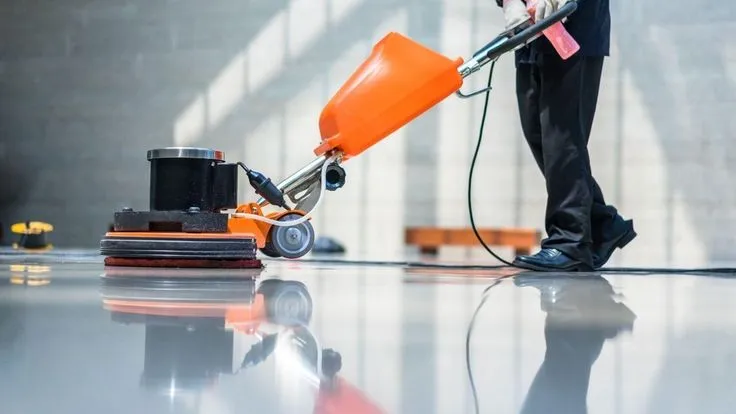
If DIY methods don’t work, or if the area is large, consider hiring a professional marble restoration service. Experts use industrial-grade tools such as diamond pads for grinding and honing. Services like DubaiClean offer advanced marble treatment solutions that restore your flooring’s natural shine without risking further damage.
Professionals can also reseal the area post-polishing, which adds a protective layer to prevent future stains.
Tips to Prevent Future Acid Stains on Marble
- Seal your marble regularly (every 6–12 months depending on foot traffic)
- Use coasters and trays under acidic foods, drinks, and cosmetics
- Avoid harsh cleaners — stick to pH-neutral, marble-safe products
- Clean up spills immediately to minimize the reaction time
- Use mats or rugs in high-use areas like kitchens and bathrooms to limit direct contact
FAQs
Conclusion
Acid stains on marble may seem daunting, but they’re often reversible — especially if treated early. By understanding how to identify etching and applying the right restoration techniques, you can preserve the natural beauty of your marble floors. Regular maintenance, fast action, and the right protective measures go a long way in avoiding permanent damage.
For homeowners in Dubai where marble is a common flooring choice, investing in regular professional maintenance can ensure your marble surfaces stay spotless and radiant for years. And if the damage is beyond DIY repair, a trusted marble polishing service like DubaiClean can restore your floors to their original glory.