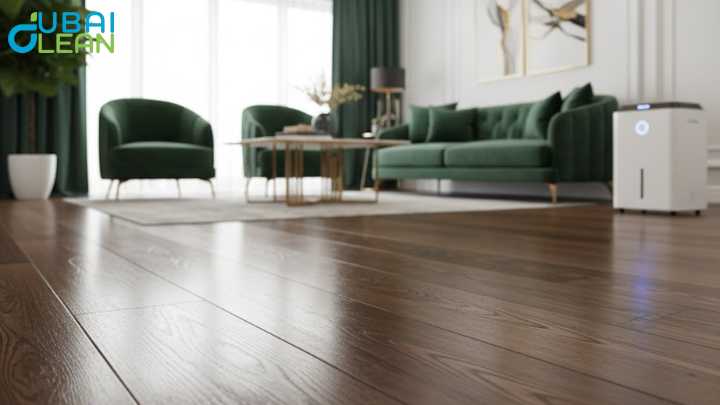



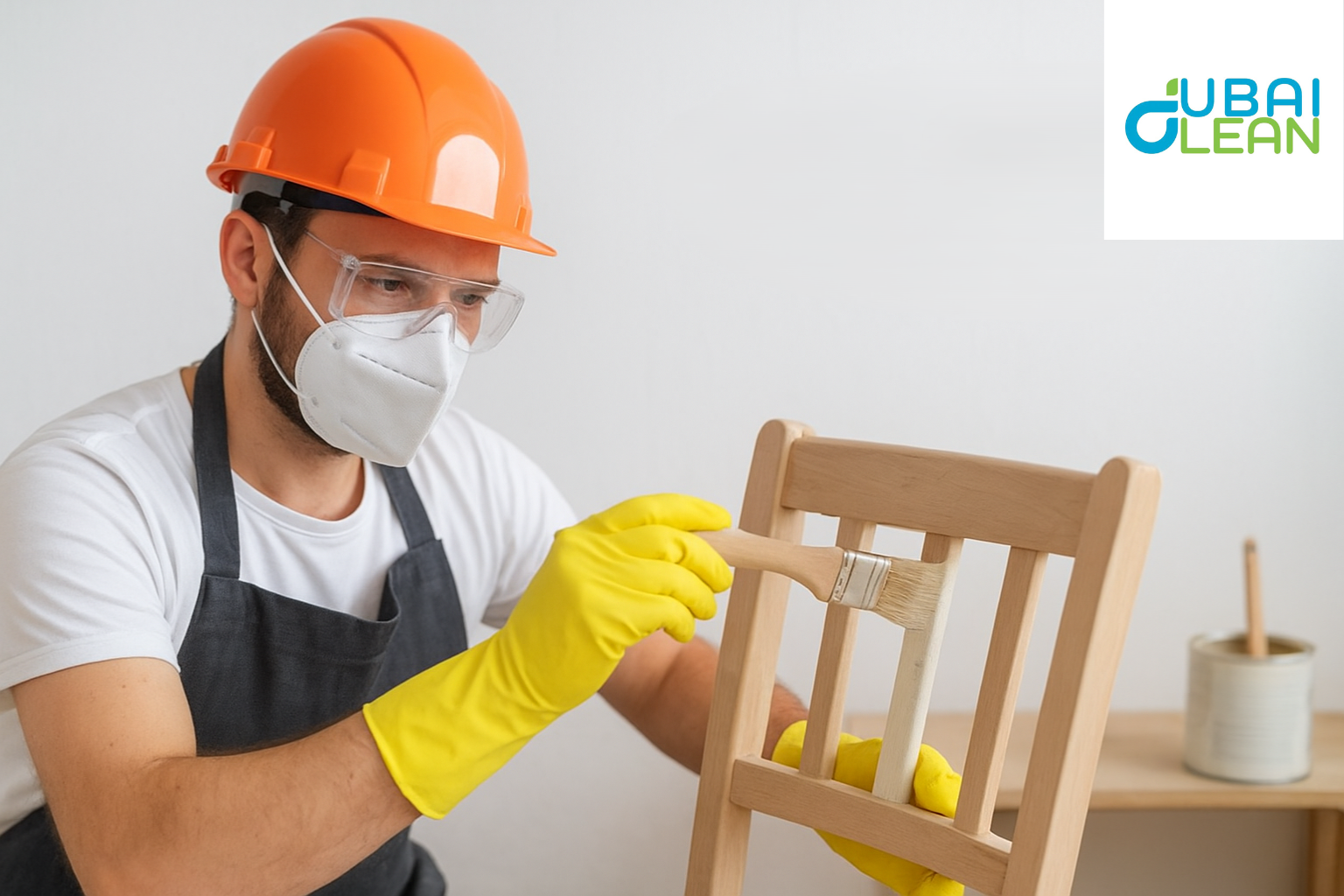
Giving old furniture a new look has become one of the most popular home improvement trends today. Instead of throwing away worn-out pieces, many homeowners are choosing to refurbish, repaint, or redecorate them. This creative approach not only saves money but also helps reduce waste, making it an environmentally friendly option. Whether it’s a vintage chair, an outdated dresser, or a scratched table, a few simple upgrades can completely transform it into something stylish and modern.
Beyond the practical benefits, upcycling furniture adds a touch of personality and uniqueness to your space. Every restored item tells a story and reflects your individual taste. By giving old furniture a second life, you can enhance your home’s aesthetic appeal, preserve cherished memories, and express your creativity all while embracing sustainable living and smart interior design.
1. Why Refresh Old Furniture?
Breathing new life into old furniture is not just about aesthetics it’s also a smart and sustainable decision. Refurbishing helps you enjoy the charm of your existing pieces while keeping your budget in check. Instead of spending on expensive new items, you can easily restore what you already have using a bit of creativity and effort. Moreover, every piece you save from disposal contributes to a cleaner, more eco-friendly lifestyle, proving that style and sustainability can go hand in hand. Refreshing furniture also allows you to personalize your home in a way store-bought items rarely can. You can experiment with colors, textures, and hardware designs to match your personality and interior theme.
Save Money and Reduce Waste
Refurbishing costs significantly less than buying new furniture, making it a great way to update your home without overspending. By restoring existing pieces, you help minimize waste and promote sustainable living, reducing the number of items that end up in landfills.
Add Personal Style and Uniqueness
When you customize furniture, you create something that truly represents your style. A simple change in paint color, fabric, or hardware can turn an old, forgotten item into a stunning centerpiece that enhances your entire space.
2. Popular Ways to Give Furniture a New Look
There are countless ways to transform old furniture into something stylish and functional again. Whether you choose to repaint, reupholster, or update small details like handles and hardware, each method can dramatically enhance its appearance. These creative techniques not only breathe new life into tired pieces but also allow you to express your personal style and craftsmanship. With a bit of imagination, effort, and the right materials, any outdated item can become a beautiful and unique statement piece in your home.
Repainting and Refinishing
One of the easiest ways to refresh old furniture is through repainting or refinishing. Choose modern paint colors or try distressed finishes for a trendy, vintage look. Always start by sanding the surface to remove rough spots, apply a primer to help the paint adhere better, and finish with a protective coat for long-lasting shine and durability.
Reupholstering or Adding New Fabrics
Replacing old or faded upholstery instantly changes the look of furniture. Choose vibrant, textured, or patterned fabrics to bring life back to chairs, sofas, or headboards. Mixing neutral tones with bold patterns can create a perfect balance of comfort and style, giving your furniture a completely refreshed and modern appearance.
Changing Handles and Hardware
Sometimes, a small change can make a big difference. Swapping out old knobs, handles, or legs for new ones can modernize the entire piece. Choose materials like brass, stainless steel, or ceramic to complement your decor theme. These subtle details add character and elevate the furniture’s overall aesthetic appeal.
Applying Decorative Techniques
For those who love creativity, decorative techniques such as stenciling, wallpaper application, or decoupage can turn plain furniture into artistic masterpieces. Highlighting edges and corners with metallic or gold accents gives a luxurious touch. These methods are perfect for adding personality and flair while maintaining an elegant, handcrafted finish.
3. Benefits of Giving Furniture a New Look
Refreshing old furniture offers more than just visual improvement; it provides practical, emotional, and environmental benefits that make a real difference in your living space. A simple makeover can instantly uplift your home’s atmosphere, reflect your unique personality, and even promote a greener lifestyle by reducing waste. Instead of replacing old items, you give them a new story and purpose, blending creativity with sustainability. Whether you’re reviving a family heirloom, repurposing vintage finds, or simply experimenting with design ideas, furniture restoration turns ordinary pieces into valuable, meaningful décor that combines beauty, function, and sentiment.
Enhances Home Aesthetics
A piece of refreshed furniture can completely change the atmosphere of a room. New colors, finishes, or fabrics bring fresh energy and harmony to your interiors, helping different elements come together beautifully. It’s an effortless way to make your home look modern, inviting, and well-designed without spending too much.
Promotes Sustainability
Giving furniture a new life supports eco-conscious living by reducing the need for mass-produced items. Instead of contributing to furniture waste, you’re making a positive impact on the environment. By reusing materials and choosing sustainable finishes, you promote a lifestyle that’s both stylish and environmentally responsible.
Boosts Property and Sentimental Value
Restored furniture not only enhances your home’s aesthetic appeal but also increases its overall value and charm. A beautifully renewed piece can make your space look more premium and personalized. Moreover, restoring family heirlooms helps preserve memories and emotional connections, turning them into timeless treasures that continue to tell a story.
4. Maintenance & Care Tips
Proper maintenance and care are essential to keep your refurbished furniture looking stunning and durable for many years. Regular cleaning, protection from sunlight, and timely touch-ups not only preserve its appearance but also maintain its structural strength. By following simple yet consistent care routines, you prevent early wear, fading, and surface damage that can come from daily use. Additionally, caring for your restored furniture reflects your attention to detail and helps you get the most out of your investment. Using quality cleaning products, keeping surfaces dry, and checking for minor issues before they worsen can make a big difference.
Regular Cleaning and Dusting
Keep your furniture looking new by performing regular cleaning and dusting. Use a soft microfiber cloth and mild cleaning solutions to remove dirt without scratching or dulling the surface. Avoid harsh chemicals or abrasive materials, as they can damage paint finishes, wood coatings, or fabric upholstery, reducing the furniture’s shine and longevity.
Protect from Sun and Moisture
Excessive sunlight and humidity can fade colors, warp wood, and weaken finishes. Always place furniture away from direct sunlight or use curtains and blinds to reduce exposure. Apply sealants, protective coatings, or covers to shield wooden surfaces from moisture and environmental damage, keeping them strong and attractive over time.
Periodic Touch-Ups
Even the best-maintained furniture may develop small scratches or dull spots over time. Schedule periodic touch-ups by repainting minor imperfections or polishing the surface to restore its original luster. Regularly inspect hardware, hinges, and handles for rust or wear, and replace them as needed to maintain both style and stability.
5. Step-by-Step Furniture Makeover Process
Transforming old furniture into something stylish and refreshed is a deeply rewarding process when done with care and the right techniques. A proper makeover not only enhances its appearance but also strengthens its durability and functionality, giving it a completely new life. Each stage whether it’s cleaning, sanding, painting, or adding finishing touches requires patience, precision, and a creative touch to ensure professional-looking results. Beyond aesthetics, this process allows you to express your personal style and create one-of-a-kind pieces that reflect your taste.
Planning and Preparation
Start by selecting furniture pieces that are structurally strong and worth restoring. Examine them for any cracks, loose joints, or damages that need fixing. Once you’ve chosen your project, gather all materials such as paint, sandpaper, brushes, fabric, primer, and cleaning supplies. Planning helps save time and ensures you have everything ready before beginning the restoration process.
Surface Cleaning and Sanding
Before any painting or polishing, make sure the furniture is thoroughly cleaned. Remove dust, dirt, grease, and old polish using a mild cleaner or soap solution. After cleaning, sand the surface evenly to remove imperfections and old paint. This step ensures the new paint or finish adheres smoothly and lasts longer. Wipe off all sanding dust before moving to the next stage.
Painting or Polishing
Once the surface is prepared, apply a primer coat to help the paint stick better and enhance durability. After the primer dries, add two or more coats of paint depending on the finish you desire. For wooden furniture, you may choose polishing or varnishing instead of paint to highlight its natural grain. Finish by applying a topcoat or wax for extra protection and shine.
Finishing Touches
The final stage is where your creativity shines. Add new handles, trims, or decorative accents that match your design theme. Make sure all joints, corners, and hardware are properly tightened and secure. These finishing touches bring everything together, turning your restored furniture into a beautiful, durable piece that looks as good as new.
6. Common Mistakes to Avoid
While refurbishing old furniture can be a fun and creative process, a few common mistakes can ruin your hard work and final results. Many people rush through the preparation or use the wrong materials, which leads to uneven finishes or short-lasting results. Taking time to understand the proper methods ensures your furniture makeover looks professional, durable, and safe. Avoiding these mistakes will save you both time and effort while giving your furniture the stunning finish it deserves.
Skipping the Preparation Stage
One of the biggest mistakes is skipping preparation. Failing to clean, sand, or prime the surface properly can cause the paint to peel, appear patchy, or fail to adhere evenly. Always invest time in cleaning off dust, grease, and old finishes before you begin painting or staining to ensure smooth, long-lasting results.
Using the Wrong Paint Type
Choosing the wrong type of paint can lead to disappointing results. For example, water-based paints might not hold up well on furniture that’s used frequently, such as tables or cabinets. Always select high-quality, durable paints that match the material of your furniture oil-based or enamel paints often work best for heavy-use items, providing a stronger and more polished finish.
Ignoring Ventilation During Painting
Proper ventilation is crucial when painting or refinishing furniture. Ignoring this step can expose you to harmful fumes and slow down the drying process. Always work in a well-ventilated space or near an open window, and consider using a mask to protect yourself from chemicals and odors. This ensures both your safety and the quality of your finished piece.
7. Dangers of Poor Furniture Restoration
While restoring old furniture can be enjoyable and fulfilling, doing it incorrectly can pose serious health and safety risks. Using the wrong materials, skipping safety precautions, or mishandling tools can lead to accidents, property damage, or long-term health issues. It’s important to approach every restoration project with proper knowledge, care, and protective measures to ensure safe and lasting results. Understanding these potential dangers helps you work smarter and safer throughout the process.
Using Toxic Paints or Chemicals
One of the most common dangers in furniture restoration is using toxic paints or chemicals. Many paints, stains, and varnishes contain volatile organic compounds (VOCs) that release harmful fumes, which can cause headaches, allergies, or breathing problems. Always choose eco-friendly, low-VOC, or water-based products to protect your health and indoor air quality. Work in a well-ventilated area and wear gloves or masks to avoid direct exposure.
Fire Hazards from Flammable Materials
Certain finishes, solvents, and cleaning agents used during restoration are highly flammable. Storing or using them near open flames, cigarettes, or heat sources can cause dangerous fires. Always store flammable materials safely, away from direct sunlight or heat, and dispose of used rags or brushes properly to prevent accidental ignition.
Structural Weakness and Injury Risks
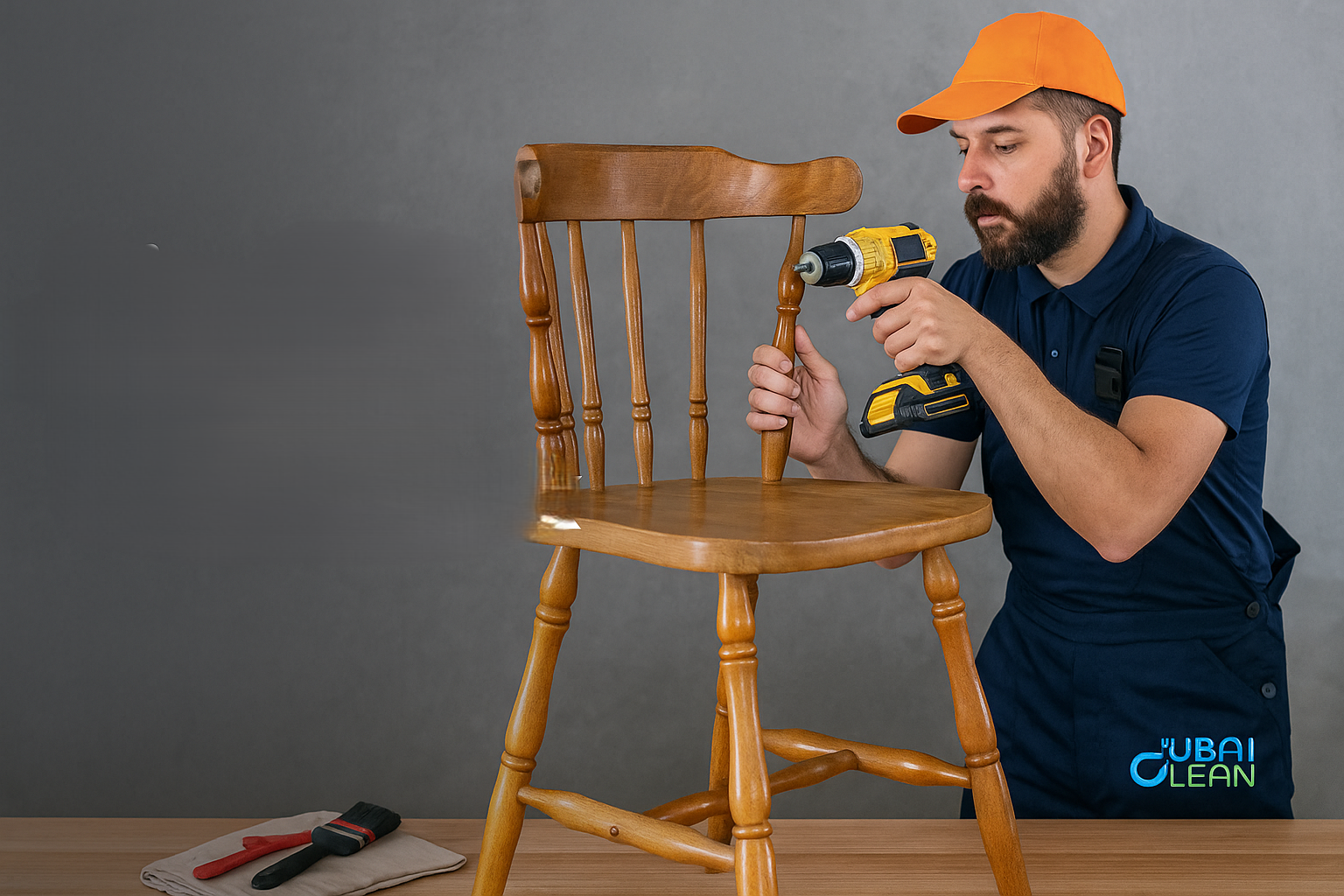
Poor craftsmanship or over-sanding can lead to structural weakness, making furniture unstable or unsafe to use. Loose screws, weak joints, and misaligned hinges can cause injuries if not corrected properly. Before final use, always inspect your furniture thoroughly, tighten all screws, secure joints, and test stability to ensure it’s safe, sturdy, and ready for everyday use.
Conclusion
Giving old furniture a new look doesn’t have to be complicated or expensive. With simple upgrades like repainting, reupholstering, or updating hardware, you can completely transform worn-out pieces into stylish, functional, and personalized additions to your home. Not only does this process enhance your home décor, but it also supports sustainable living by reducing waste and making the most of existing resources. Embracing creative restoration allows you to express your personal style, preserve sentimental pieces, and add a fresh, unique touch to your interiors. Remember, every piece of furniture has potential, every old piece deserves a second chance to shine, turning the ordinary into something extraordinary.