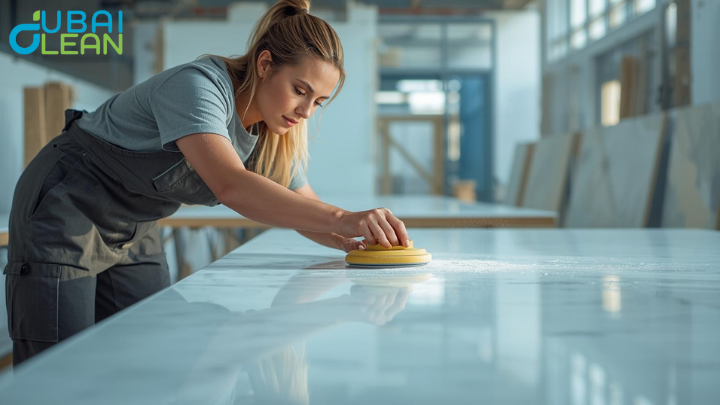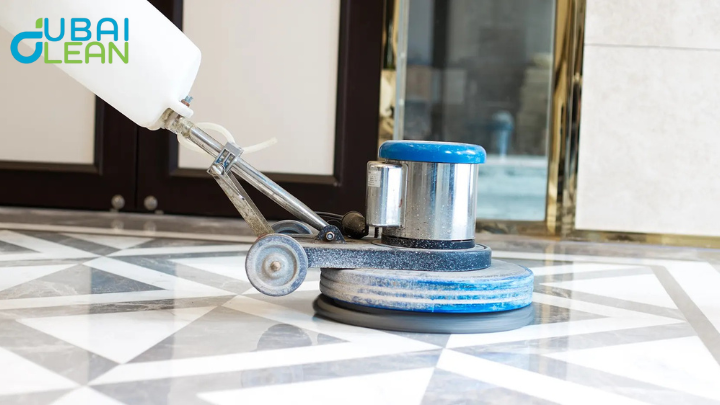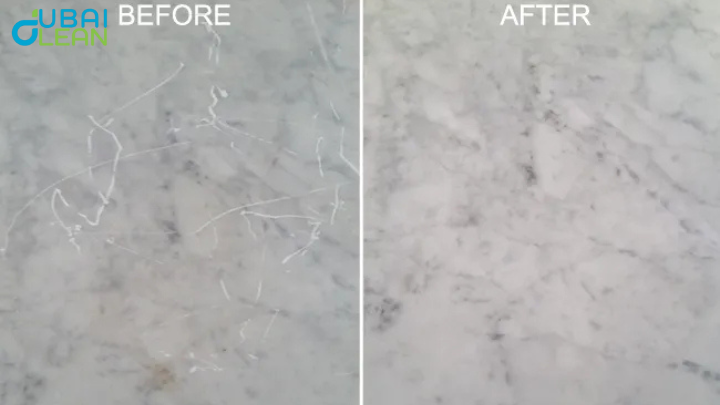




Marble floors have long been synonymous with luxury, timeless beauty, and sophistication. From classic to contemporary spaces, marble enhances the aesthetic appeal of any room with its natural patterns and glossy finish. Its rich history dates back to ancient civilizations, where it was used in palaces, temples, and sculptures, making it a symbol of elegance and wealth. In this guide, we’ll show you how to polish marble floors at home effectively, using simple, cost-effective methods that don’t require specialized equipment.
1. How to polish marble floor at home without machine
Marble is a natural stone that is prized for its elegance and timeless beauty. It is composed mainly of calcium carbonate, which is formed from limestone that has been subjected to heat and pressure over millions of years. This process gives marble its distinctive crystalline structure and the ability to reflect light in a way that makes it look luxurious and sophisticated.
Polishing a marble floor at home without a machine is possible with simple tools and patience. Start by cleaning the floor thoroughly using a mild detergent and warm water to remove dirt and grime. Ensure the floor is fully dry before proceeding to the next step.
Next, apply a marble polishing powder or a paste made from baking soda and water in a circular motion using a soft cloth or sponge. Buff the floor gently, focusing on small sections at a time to restore shine. Finish by wiping with a clean damp cloth and drying the surface to reveal a smooth, polished finish.
2. Why Does Marble Lose Its Shine?
Marble loses its shine over time due to daily wear, foot traffic, and exposure to acidic substances like vinegar or lemon. Dirt and grime can also build up in the pores, making the surface appear dull. Over time, even minor scratches and stains can accumulate, further reducing its natural luster. Regular cleaning and polishing help maintain its natural beauty.
| Causes of Dull Marble | Effects on the Floor |
|---|---|
| Foot traffic and abrasion | Scratches and loss of smoothness |
| Acidic spills (lemon, vinegar) | Etching and surface discoloration |
| Dirt and grime accumulation | Dull, lifeless appearance |
| Lack of maintenance | Gradual loss of natural shine |
3. Essential Tools and Materials for Polishing Floors
To polish marble floors at home effectively, you need a few essential tools and materials. A soft microfiber cloth or sponge is crucial for applying polish without scratching the surface. Polishing powders or a homemade paste like baking soda mixed with water help restore shine. Additionally, gloves, clean water, and a dry cloth are needed to buff and finish the floor to a smooth, glossy look.
- Mild Dish Soap or pH-Neutral Cleaner: This is used for cleaning the floor before polishing.
- Baking Soda: A gentle abrasive that helps remove stains.
- Olive Oil: This natural oil can help restore shine when used with baking soda.
- Hydrogen Peroxide (Optional): A mild bleaching agent to tackle stubborn stains.
- Spray Bottle: For evenly applying solutions on the floor.
- Water: Always use clean water for washing and rinsing.
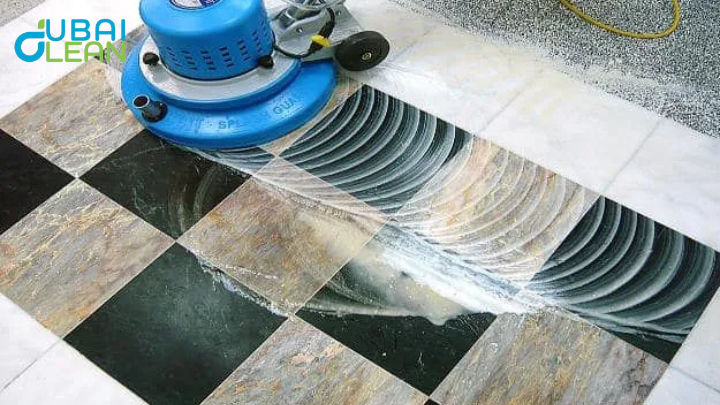
5. Pros and Cons of Polishing Floors at Home
Polishing marble floors at home can save money and allows you to maintain the floor at your own pace. However, it requires patience, the right materials, and careful handling to avoid scratches or uneven shine. Without professional experience, achieving a perfectly glossy finish can be challenging.
| Pros | Cons |
| Cost-effective and easy to do | Time-consuming process |
| Restores shine without machinery | Requires consistent maintenance |
| Uses natural ingredients (no chemicals) | May not work for severe damage or deep stains |
| No need for expensive tools or professional help | Results may vary depending on the condition of the floor |
Conclusion
At DubaiClean, we combine years of expertise with a commitment to quality, making us a trusted choice for marble floor care across Dubai. Our professional guidance, step-by-step solutions, and use of safe, effective products ensure every floor shines like new. Homeowners and businesses alike rely on DubaiClean for reliable, long-lasting results, reflecting our dedication to excellence and customer trust.
FAQs
What is the difference between honing and polishing marble?
This process removes light scratches and stains, leaving the marble with a smooth, matte, or satin finish (no reflection). It is ideal for high-traffic areas or floors where a glossy look is not desired.
DIY: Yes, you can polish marble yourself for minor dullness or small scratches, using diamond polishing pads (starting from coarse 50-grit up to 3000-grit) or polishing powders.
How often should I polish my marble floors?
It is generally recommended to have marble surfaces polished every 1–3 years, depending on usage. High-traffic areas like entrance halls may require annual polishing, while rarely used bathroom vanities might only need it every 3–5 years.