



Shiny tiles and spotless grout don’t just make your home look beautiful they also set the tone for a clean, healthy living space. Over time, however, dirt, spills, soap scum, and everyday foot traffic can leave grout looking dull and tiles less vibrant. Mold and bacteria often settle in grout lines, creating hygiene issues if left untreated.
The good news? You don’t need expensive chemicals to bring back the sparkle. With the right techniques like DIY cleaning solutions, baking soda scrubs, or steam cleaning you can easily restore your floors. This guide walks you through step-by-step methods to clean grout and tiles effectively while keeping them safe and long-lasting.
Understanding Floor Tile Grout
Grout is the material that fills the spaces between floor tiles, keeping them securely in place. Because it is porous, grout easily absorbs moisture, dirt, and spills, making it prone to stains. Everyday activities like cooking, walking, or cleaning can cause buildup that dulls the appearance of your floors over time.
Moisture often leads to mold and mildew, while food spills and soap scum can leave stubborn marks. Heavy foot traffic pushes dust and grime deep into grout lines, making them look darker and unclean. Regular floor tile cleaning services in Dubai not only improves the look of your floors but also prevents bacteria growth, reduces allergens, and keeps your home healthier.

How to Clean Grout Between Floor Tiles
Grout may seem small compared to the tiles themselves, but it plays a huge role in how clean and polished your floors look. Unfortunately, because grout is porous, it absorbs dirt, liquids, and cleaning residue very quickly. Over time, this leads to dark stains, mold, and a dull appearance that can make the entire floor look dirty. Luckily, with a few simple tools and household items, you can bring grout lines back to life.
| Step | What to Do |
| 1. Sweep & Prep | Remove loose dirt and dust with a broom or vacuum before cleaning. |
| 2. Apply Cleaner | Spread a grout cleaner or DIY paste (baking soda + vinegar/lemon juice). |
| 3. Let It Sit | Let the mixture sit on the grout for about 5–10 minutes so it can break down the stains. |
| 4. Scrub Thoroughly | Use a stiff-bristle brush or old toothbrush to scrub in circular motions. |
| 5. Rinse & Dry | Rinse the area with warm water and allow the floor to dry naturally.. |
| 6. Repeat if Needed | For stubborn stains, repeat the process weekly until grout looks brighter. |
| Pro Tip | Use baking soda + hydrogen peroxide for deep-set stains and extra whitening. |
How to Clean Floor Tile Grout with Baking Soda
Baking soda is a safe, eco-friendly cleaner that helps bring dull or stained grout back to life.. It’s safe, affordable, and effective at lifting stains without harsh chemicals. The best part? You can make simple DIY cleaners at home that work just as well as store-bought options.
DIY Baking Soda Grout Cleaner:
- Basic Paste: Mix baking soda with water until it forms a thick paste.
- For Extra Power: Add vinegar or lemon juice for a natural fizzing action.
- For Tough Stains: Mix baking soda with hydrogen peroxide to lift deep stains.
How to Apply:
- Spread the paste directly onto grout lines.
- Let it sit for 5–10 minutes.
- Scrub with a stiff brush until stains lift.
- Rinse with warm water and dry.
This method is especially useful for high-traffic areas like kitchens and entryways.
How to Clean Floor Tiles with Baking Soda
Baking soda isn’t just great for grout it’s also a powerful and natural cleaner for floor tiles. To make a simple solution, mix half a cup of baking soda with a bucket of warm water and mop the entire surface, paying extra attention to stained areas. This gentle mixture helps lift dirt and refresh the look of your tiles.
For tougher stains, sprinkle dry baking soda directly onto the affected spot and scrub lightly with a brush or sponge.After cleaning, wash the floor with clean water to clear away any leftover solution. This method leaves tiles shiny, odor-free, and spotless without relying on harsh or toxic chemicals.
Steam Cleaning Marble Floors
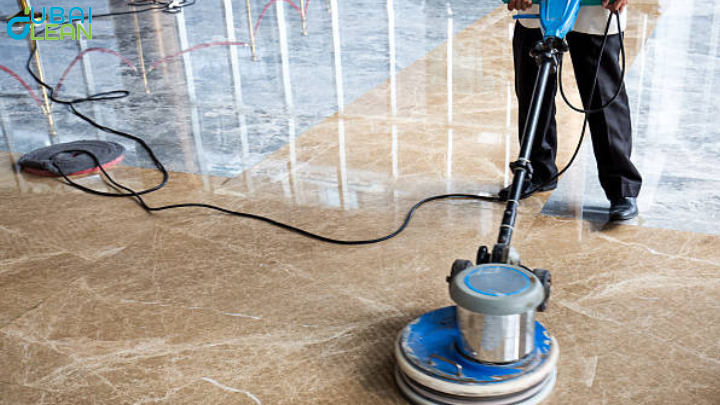
Marble floors add elegance to any home, but they require special care. Harsh chemicals and acidic cleaners (like vinegar) can damage marble, making steam cleaning a safer option when done correctly.
Steps to Steam Clean Marble Floors:
- Dust First: Sweep or vacuum to remove dirt.
- Prepare Steam Cleaner: Use only water no added solutions.
- Steam Carefully: Glide the steamer gently across the floor, avoiding prolonged exposure in one spot.
- Dry Immediately: Use a soft microfiber cloth to absorb moisture.
Dos and Don’ts for Marble:
✅ Do use distilled water for steam cleaning.
❌ Don’t use vinegar, lemon, or abrasive scrubbers.
❌ Don’t oversaturate marble too much moisture can cause etching.
Preventing Grout and Tile Stains
Cleaning your floors is important, but prevention is what keeps them spotless for the long run. By taking a few proactive steps, you can stop dirt, stains, and moisture from damaging grout and tiles, saving yourself both time and effort.
One of the best ways to protect grout is by sealing it every 6–12 months. A quality grout sealer creates a barrier against spills, dirt, and moisture, reducing the risk of stains. Pair this with regular sweeping and mopping to prevent dust and debris from settling into the grout lines.
It’s equally important to choose the right cleaning products. Harsh chemicals may weaken grout and wear down tile finishes over time. Instead, stick to mild cleaners or natural solutions that are safe yet effective. And don’t forget the basics wiping up spills immediately helps avoid staining and prevents mold or mildew from forming.
Common Mistakes to Avoid
Many homeowners unintentionally harm their floors while attempting to clean them. The wrong techniques or products can cause lasting damage to tiles and grout. To keep your floors safe and sparkling, steer clear of these common mistakes:
- Using bleach on colored grout – This can strip away pigment and leave uneven discoloration.
- Overusing vinegar on marble – The acidity etches the surface, making marble dull and prone to damage.
- Scrubbing with metal brushes – Harsh bristles can scratch and weaken tiles.
- Leaving grout damp – Moisture buildup encourages mold, mildew, and bacteria growth.
Conclusion
Cleaning grout and tiles doesn’t have to feel overwhelming. Simple methods like scrubbing grout with baking soda, refreshing tiles with natural solutions, or carefully steam-cleaning marble can make a big difference in restoring their shine. Choosing the right approach keeps your floors looking fresh without unnecessary stress.
Regular upkeep is the key to long-lasting results. By sealing grout, cleaning consistently, and avoiding common mistakes, you’ll enjoy sparkling floors that not only look beautiful but also support a healthier, more welcoming home environment.