


Termites in wood floors are a serious property and financial risk, as early infestations can silently weaken flooring and lead to costly structural repairs if left untreated. Beyond visible damage, termites compromise the strength and safety of your home, affecting subfloors, support beams, and overall indoor living conditions. What makes them especially dangerous is that damage often progresses unnoticed until it becomes severe and expensive to fix. This guide is built on professional pest control experience, proven termite treatment methods, and industry-recognized standards.
1. is Termites in Wood Floors Are Problem?
Termites feed on cellulose found in wood, gradually hollowing out floorboards, subfloors, and even structural beams beneath the surface. As they continue to tunnel through the wood, the flooring loses its strength and stability, making it more prone to sagging, cracking, or collapsing over time. This weakening process directly threatens the structural integrity of the entire property.
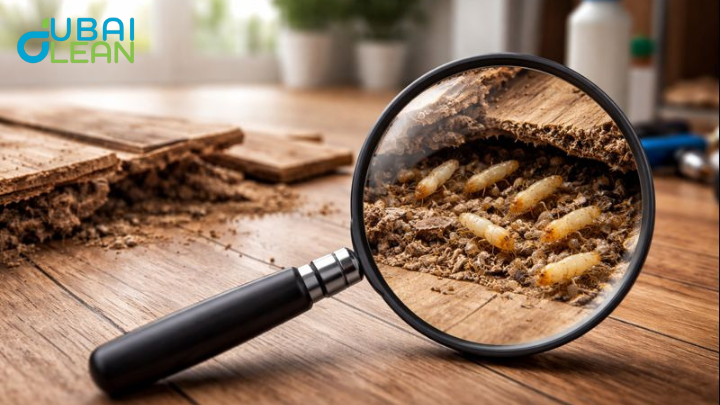
One of the most dangerous aspects of termite infestations in wood floors is hidden damage. Termites work silently inside the wood, often leaving the surface looking intact while severe deterioration occurs underneath. By the time visible signs such as soft spots, hollow sounds, or warped flooring appear, the infestation is usually well-established and harder to control, making professional wooden floor cleaning services in Dubai essential to assess hidden damage and protect the structural integrity of the property.
2. Common Signs of Termites in Wood Floors
Termites often remain hidden, making early detection difficult without knowing the warning signs. Recognizing these indicators in your wood floors can help prevent severe structural damage and costly repairs. Prompt action at the first signs of infestation is essential for protecting your property. Being aware of these signs allows homeowners to act quickly and seek professional help before the infestation spreads further.
- Hollow or soft-sounding wood when walked on
- Floors that feel weak, spongy, or uneven underfoot
- Mud tubes along floor edges, skirting boards, or walls
- Cracks or blistering on the surface of wooden flooring
- Warped, buckling, or sagging floorboards
- Peeling paint that resembles water damage
- Presence of discarded wings near windows or floor corners
- Small piles of termite droppings (frass) around wooden areas
3. What Causes Termites in Wood Floors?
Termites are attracted to environments that provide moisture, food, and easy access to wood, making certain homes more vulnerable than others. Understanding the main causes can help homeowners prevent infestations before they start. Proper maintenance and early detection are key to keeping floors termite-free.
Moisture and Ventilation Issues
Excess moisture under floors, leaking pipes, or poor ventilation creates ideal conditions for termites to thrive. Damp subfloors and persistent humidity weaken wood, making it easier for termites to infest and cause extensive damage. Regularly monitoring and addressing these moisture issues can significantly reduce the risk of termite infestations in your wood floors.
Wood Quality and Structural Vulnerabilities
Using untreated or low-quality wood increases the risk of termite attacks, especially if the wood comes into direct contact with soil or has gaps in the foundation. Proper sealing, treated wood, and regular inspections can significantly reduce these risks. Investing in high-quality, termite-resistant materials ensures long-term protection and minimizes costly repairs in the future.
4. Types of Termites That Attack Wood Floors
Different termite species target wood floors in unique ways, making it important to identify the type of infestation for effective treatment. Each species has distinct habits, damage patterns, and preferred environments. Understanding these differences helps homeowners choose the right prevention and control methods.
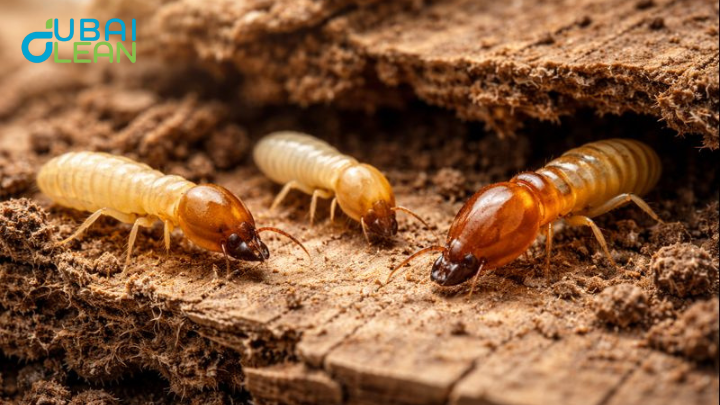
| Termite Type | How They Attack Wood Floors | Key Characteristics |
| Subterranean Termites | Tunnel from soil into wood, causing severe structural damage | Most destructive; require soil contact; form mud tubes |
| Drywood Termites | Infest directly into dry wood without soil contact | Can live entirely inside wood; produce frass; slow damage |
| Dampwood Termites | Target wood with high moisture content | Prefer damp, decayed wood; usually found in wet areas |
5. When Should You Call a Termite Control Expert?
Homeowners should contact a: termite control expert as soon as they notice any signs of infestation, such as hollow-sounding floors, mud tubes, or termite droppings. Early intervention is critical because termites can spread quickly and silently, causing severe structural damage that becomes increasingly costly to repair over time. Professional inspection ensures accurate identification of the infestation type and the extent of damage, allowing for targeted and effective treatment.
Even if the signs seem minor, it’s important to call an expert when you suspect termites are affecting structural components like beams, joists, or subfloors. Delaying professional treatment not only increases the risk of property damage but also reduces the chances of completely eliminating the colony. Certified termite control technicians can implement long-term preventive measures, safeguarding your home and providing peace of mind for your family.
6. DIY Methods to Get Rid of Termites in Wood Floors
For minor termite issues, some homeowners turn to natural remedies like boric acid or orange oil, which can help target surface-level termites and slow infestation. However, these DIY methods have limited effectiveness and rarely eliminate entire colonies hidden deep within wood or beneath floors. Improper application can even worsen the problem by spreading termites to untreated areas, making professional intervention the safer and more reliable solution for protecting your home.
Conclusion
Early detection and expert treatment are crucial to preventing extensive damage from termites in wood floors. Regular inspections and proactive measures can protect your property’s value and prevent costly repairs. With professional termite control from DubaiClean, homeowners can ensure long-term safety, structural durability, and complete peace of mind, knowing their floors and home are fully protected.