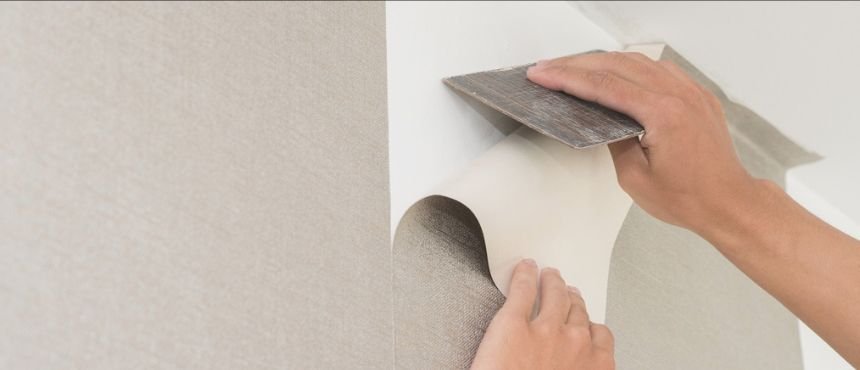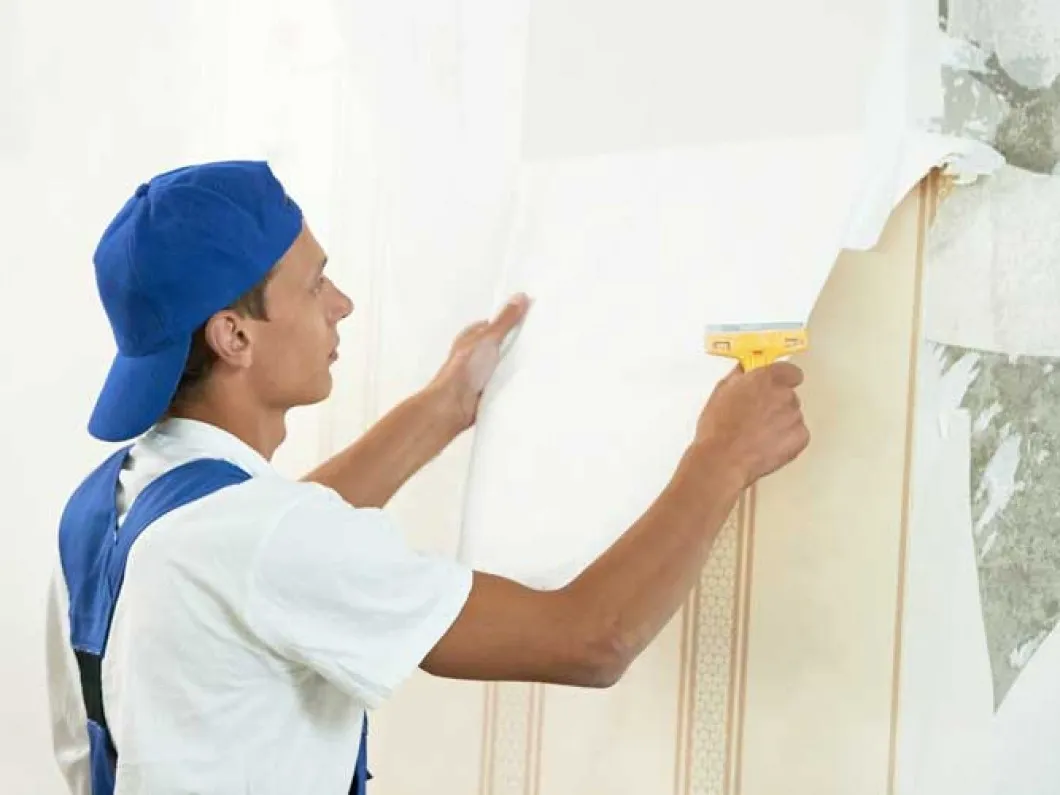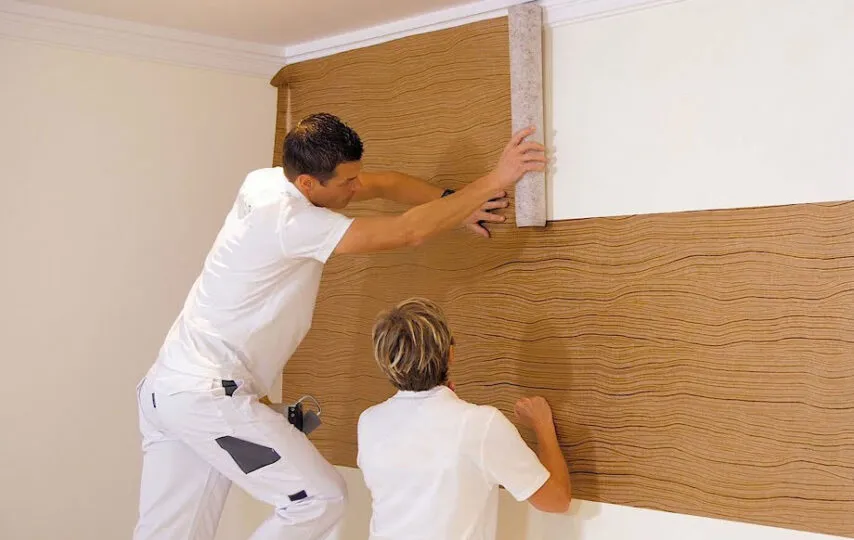


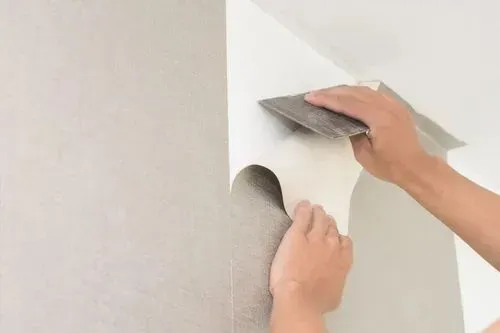
Wallpaper can instantly elevate a home’s style, but in Dubai’s hot, humid climate with constant air conditioning, it’s prone to peeling, bubbling, or falling off. Often caused by dampness, poor installation, or low-quality adhesive, these issues require more than temporary fixes. By identifying root causes, using professional-grade materials, and following preventive measures, you can enjoy long-lasting, beautiful walls. For expert tips and solutions, visit DubaiClean.com.
Why Wallpaper Falls Off in Dubai
Understanding the root causes of wallpaper problems is the first step toward a lasting solution. The following factors are especially relevant to Dubai homes:
1. High Humidity
Dubai experiences high humidity levels, particularly in coastal areas. Moisture can seep into walls and weaken wallpaper adhesive, causing it to peel or lift.
2. Temperature Fluctuations
Frequent use of air conditioning combined with the desert heat can cause walls and wallpaper to expand and contract. This movement can compromise adhesive bonds over time.
3. Poor Installation
Improper surface preparation, incorrect adhesive application, or uneven wall surfaces during installation can all contribute to wallpaper failure.
4. Low-Quality Adhesive or Wallpaper
Cheap adhesives may lose their grip quickly, especially under Dubai’s environmental conditions. Similarly, low-quality wallpaper may degrade faster, losing its structural integrity.
5. Wall Surface Problems
Dampness, cracks, or uneven wall surfaces prevent wallpaper from adhering properly. Even if the wallpaper initially looks fine, underlying issues can cause it to fall off later.
Common Types of Wallpaper Damage
| Type of Damage | Cause | How to Identify | Recommended Fix |
| Peeling at Seams | Humidity, weak adhesive | Edges lifting from wall | Reapply adhesive, press firmly |
| Bubbling | Trapped air or moisture | Visible air pockets under wallpaper | Smooth out, add adhesive, let dry |
| Full Sheet Lifting | Poor installation, wall surface issues | Entire wallpaper sheet detaching | Remove, clean wall, reapply sheet |
| Water Stains/Discoloration | Dampness or leaks | Dark patches, peeling edges | Identify source, repair wall, replace section |
| Wrinkling or Warping | Temperature changes or low-quality wallpaper | Uneven texture, ripples | Smooth with roller, add adhesive if needed |
Step-by-Step Guide to Fixing Wallpaper Falling Off
Repairing wallpaper may seem daunting, but with the right approach, you can restore your walls without calling a professional.
Step 1: Assess the Damage
Identify whether the issue is localized (seam peeling) or extensive (full sheet lifting). Check for underlying problems such as damp patches, cracks, or mold.
Step 2: Prepare the Wall
- Remove loose or bubbling wallpaper carefully.
- Clean the wall surface to remove dust, grease, and old adhesive.
- Ensure the wall is dry; moisture is one of the main causes of wallpaper failure.
Step 3: Choose the Right Adhesive
Select an adhesive suitable for your wallpaper type and Dubai’s climate:
| Wallpaper Type | Recommended Adhesive | Notes |
| Vinyl/Waterproof | Heavy-duty vinyl adhesive | Ideal for humid areas |
| Paper-based | Standard wallpaper adhesive | Use in dry rooms |
| Textured/Embossed | Heavy-duty adhesive or paste | Ensures proper adhesion on uneven surfaces |
| Borders | Border-specific adhesive | Provides extra bond at edges |
Step 4: Apply Adhesive Correctly
- Spread adhesive evenly on the wall or the back of the wallpaper.
- Use a brush, roller, or applicator for consistent coverage.
- Avoid applying too much, which can cause seepage, or too little, which can weaken adhesion.
Step 5: Reattach the Wallpaper
- Align the wallpaper carefully with existing sheets.
- Press firmly from top to bottom using a wallpaper brush or smoothing tool.
- Smooth out any bubbles or wrinkles toward the edges.
Step 6: Remove Excess Adhesive
- Wipe off any adhesive that seeps from the seams using a damp sponge or cloth.
- Avoid harsh scrubbing that may damage the wallpaper.
Step 7: Allow Adequate Drying Time
- Let the wallpaper dry completely.
- Avoid touching, hanging objects, or cleaning the area during this time to ensure a strong bond.
Advanced Fixes for Persistent Wallpaper Issues
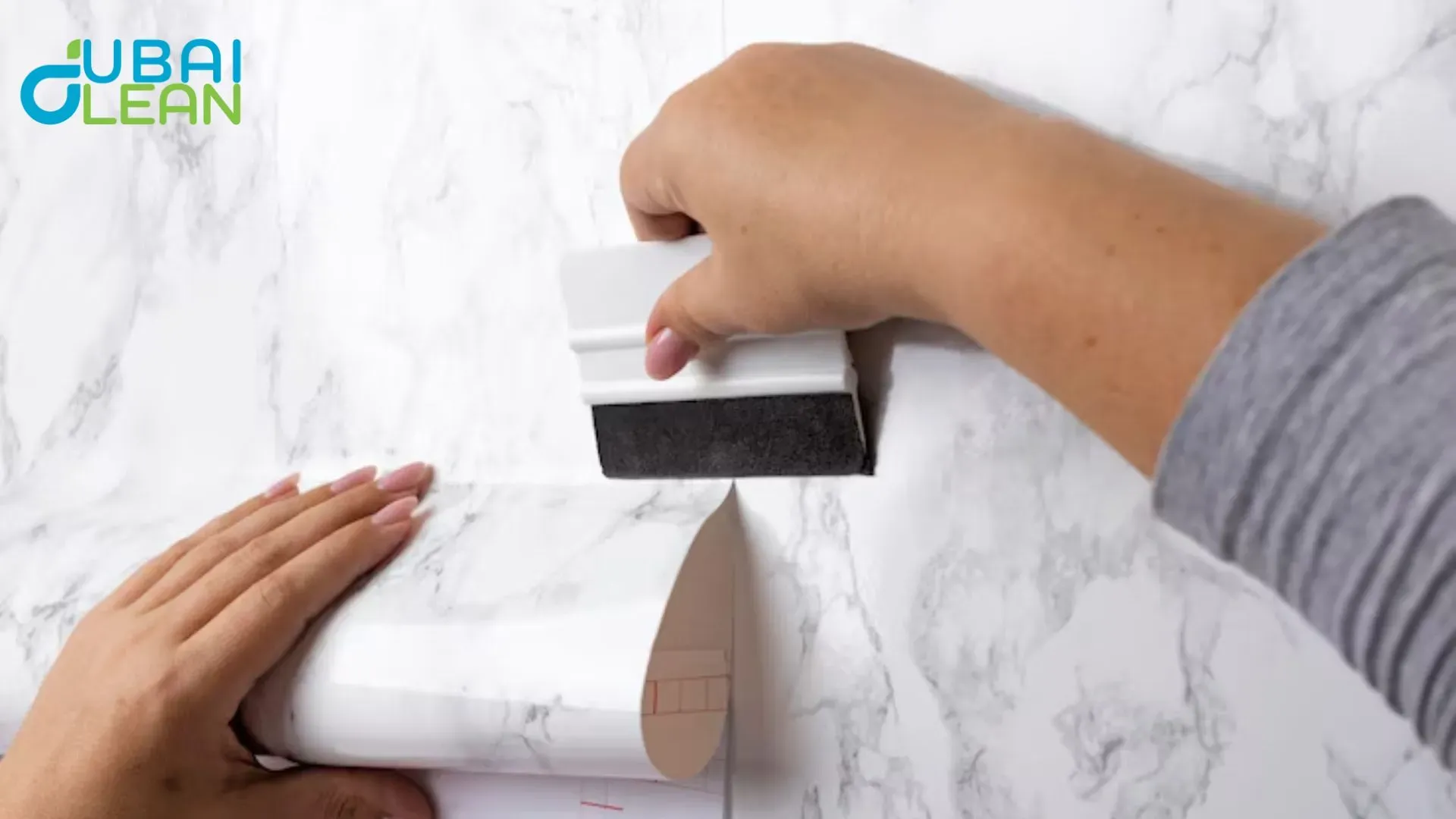
Sometimes wallpaper keeps peeling despite repairs. Here are more advanced solutions:
- Seal and Prime the Wall
- Use a primer to create a smooth, adhesive-friendly surface.
- Seal porous walls to prevent moisture absorption.
- Use Moisture-Resistant Adhesives
- Dubai’s humidity can quickly compromise regular glue.
- Heavy-duty vinyl adhesives or professional-grade pastes last longer.
- Repair Damaged Walls
- Fill cracks, sand uneven surfaces, and remove mold before applying new adhesive.
- Edge Fixes for Lifting Corners
- Apply a small amount of adhesive under the lifting corner.
- Press and smooth; use masking tape temporarily if needed to hold until dry.
- Replace Severely Damaged Sections
- If an entire sheet is lifting or stained, carefully remove it.
- Cut a matching piece and align patterns for a seamless look.
Preventive Measures for Dubai Homes
| Preventive Measure | Benefit |
| Install high-quality, moisture-resistant wallpaper | Reduces peeling due to humidity |
| Proper wall preparation (clean, smooth, dry) | Enhances adhesive bond |
| Use professional-grade adhesive | Ensures long-lasting repair |
| Control indoor humidity with AC/dehumidifier | Reduces moisture-related failures |
| Regular inspection every 6-12 months | Catch issues before severe damage |
FAQs
Conclusion
Wallpaper peeling is common in Dubai homes due to humidity, heat, and constant air conditioning. With proper assessment, the right adhesive, and correct repair techniques, you can restore your walls effectively. By addressing the root causes, using professional-grade materials, and following preventive measures, you can keep your wallpaper stylish and intact for years. For expert guidance, visit DubaiClean.