


Keeping your AC in top shape isn’t just about cooling it’s also about getting rid of the water it collects. Proper drainage in AC maintenance in Dubai helps prevent water leaks, mold, and even system breakdowns. If your unit isn’t draining well, it could lead to bigger and more expensive problems at home. In this guide you’ll find simple and practical tips to spot drainage issues early. Fix them fast, and keep your air conditioner running smoothly without surprises or stress.
Why Proper Drainage in AC Maintenance Matters
Common Problems Caused by Poor Drainage
When an air conditioner cannot drain water properly, it can cause more trouble than most people realize. Water can start leaking around the unit if the drain line gets blocked, leading to stains on your walls, soaked floors, and even damage to nearby furniture. Over time, the constant moisture can cause rust inside the system and weaken parts that are supposed to last for years. In some cases, mold and mildew may begin to grow in the damp areas, creating unpleasant smells and potential health concerns, especially for people with allergies or breathing issues. Fixing AC water leaks early helps avoid all these problems.
How Drainage Affects AC Efficiency and Longevity
Poor drainage does not just create messes. It can quietly reduce your air conditioner’s performance. When water cannot flow out properly, the system needs to work harder to cool your space. This puts stress on the components, increases electricity usage, and may even cause the AC to shut off on its own. By making sure your unit drains well, you can help it run more smoothly, use less power, and last much longer without needing major repairs. Simply put, proper drainage in AC maintenance service in Dubai is one of the easiest ways to protect your comfort and your wallet.
Key Components of the AC Drainage System
What Is a Condensate Drain Line?
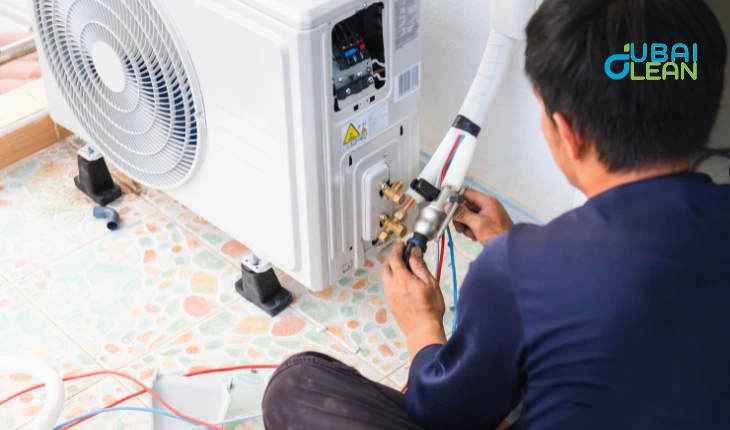
The condensate drain line is a simple but important part of your AC system in Dubai. It carries the extra moisture your air conditioner pulls from the air and sends it safely outside your home. Over time, this pipe can get blocked by dust, dirt, or even mold. When that happens, the water has nowhere to go and may start leaking. Cleaning the drain line regularly is one of the easiest ways to avoid these problems and keep things running smoothly.
Role of the Drain Pan and Condensate Pump
Just below the cooling coil is a shallow tray called the drain pan. Its job is to catch the moisture before it flows out through the drain line. If this pan gets cracked or tilted, water can spill out and cause damage around the unit. In some air conditioners, especially those installed in tight spaces, a small pump is used to push the water out. This is called a condensate pump. Making sure both the pan and pump are clean and working properly helps your AC drain water the way it should.
Signs Your AC Has a Drainage Issue
Water Leaks or Pooling Around the Unit
If you notice water pooling around your indoor unit, it’s often a sign that the drain line is either blocked or has come loose. These leaks can damage flooring and promote mold if left untreated. This is one of the most obvious signs that your system needs immediate AC water leakage fix or professional inspection.
Musty Odors or Mold Growth
In Dubai when water isn’t drained properly, it creates a humid environment that’s perfect for mold growth. Musty smells spreading through your vents are a red flag of excess moisture trapped in your system.
AC Shutting Down Unexpectedly
Modern AC systems have safety switches that shut down the unit when the drain line backs up. If your system powers off without warning, a drainage issue could be the culprit. Proper drainage prevents such inconvenient interruptions.
How to Maintain Proper Drainage in Your AC System
Step-by-Step Guide to Cleaning the Drain Line
1. Turn off the AC unit
Before doing anything, always switch off your air conditioner at the thermostat and the main power switch. This keeps you safe and prevents the system from running while you work on it.
2. Locate the condensate drain line
Look for a small white or gray PVC pipe near the indoor unit, usually close to the evaporator coil. This is the line that drains the moisture your AC pulls from the air.
3. Use a wet or dry vacuum to remove clogs
Attach the vacuum hose to the end of the drain line outside your home. Seal it well with a towel or duct tape to get strong suction, then run the vacuum for 1 to 2 minutes to clear out any dirt, algae, or debris blocking the flow.
4. Slowly pour a blend of vinegar and water into the drain line.
Mix equal parts of white vinegar and warm water in a cup. Slowly pour it into the access point near the air handler. This helps kill any bacteria or buildup inside the pipe.
5. Let it sit for 30 minutes, then flush with clean water
Give the solution time to break down gunk inside the line. After about half an hour, pour clean water into the line to rinse everything out. You should see water flowing freely from the outside end.
6. Repeat this process every 1 to 3 months
Doing this simple AC drain line cleaning regularly helps prevent clogs and keeps your system draining properly. It’s one of the easiest ways to ensure proper drainage in AC maintenance without needing professional help.
Inspecting and Flushing the Drain Pan
Check the pan for standing water or cracks. Clean it using a damp cloth and mild detergent. If you notice rust or damage, replace it to prevent leaks and keep your air conditioner drainage system functional.
Tips for Preventing Drain Clogs
- Install a float switch to detect water buildup
- Use condensate drain tablets monthly
- Ensure the drain line exits downward to support gravity flow
- Keep the area around the indoor unit clean and dust-free
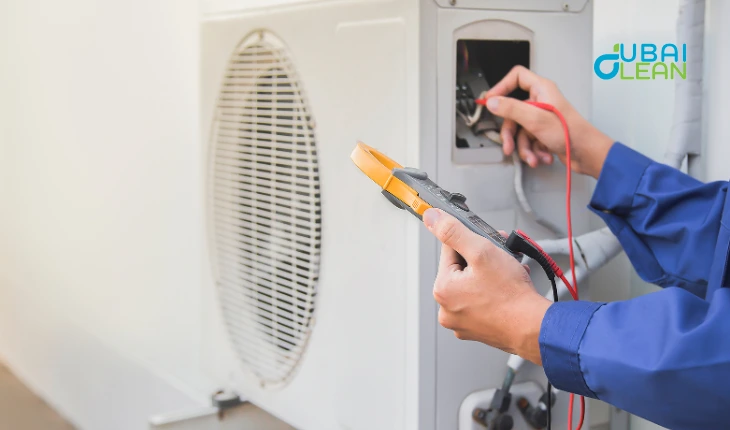
Tools and Products That Help With AC Drainage Maintenance
Recommended Drain Line Cleaning Tools
- Wet/dry vacuum
- Flexible drain brush
- Pipe cleaner
- Portable pump for hard-to-reach systems
These tools simplify maintenance and help users easily fix or prevent AC water leakage.
Best Condensate Drain Tablets and Solutions
- Pan tablets that dissolve slime and prevent algae
- Vinegar-based or enzymatic cleaners
- Bleach solutions (with caution, not suitable for all units)
Using the right products regularly supports proper drainage in AC maintenance and prevents long-term issues.
When to Call a Professional for Drainage Issues
Warning Signs You Shouldn’t Ignore
- Repeated water leakage despite cleaning
- Strong mold smell
- AC shutting off frequently
- Excessive humidity inside the home
These may indicate deeper issues that DIY can’t fix and require an HVAC expert.
How HVAC Experts Fix Severe Drainage Problems
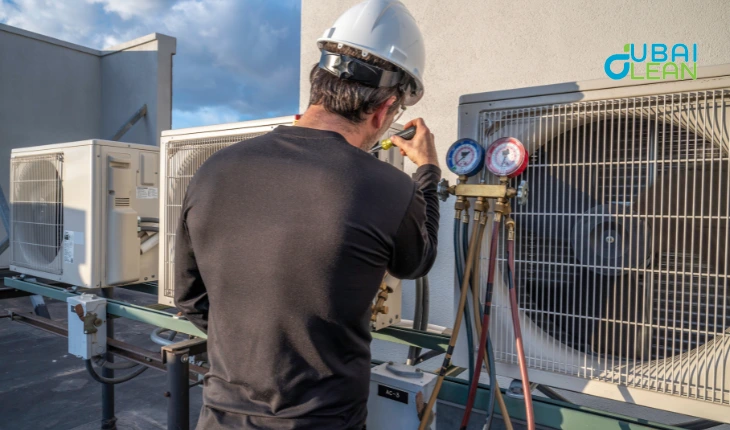
Professionals may use high-pressure water jets, pipe replacements, or electrical diagnostics to resolve the root cause. They also perform a full inspection of your air conditioner drainage system to identify hidden issues affecting performance.
Preventive Maintenance Tips for Long-Term AC Health
How Often to Clean the Drain Line
Clean the drain line at least once every 3 months. In humid areas, monthly cleaning may be necessary to maintain proper drainage in AC maintenance and prevent mold buildup.
Seasonal Maintenance Checklist
- Spring: Clean drain lines, inspect drain pan, check for clogs
- Summer: Monitor for leaks, test float switches
- Fall: Flush the system before storage or reduced use
- Winter: Cover or protect exposed units, inspect drainage paths
These steps ensure your AC water leakage fix efforts are proactive, not reactive.
Final Thoughts
Maintaining proper drainage in AC maintenance is vital for keeping your air conditioning system efficient, clean, and long-lasting. With regular cleaning, the right tools, and timely professional help, you can prevent water leaks, mold, and unnecessary damage. Following the tips outlined above will ensure your air conditioner drainage system stays in peak condition year-round.
Want to keep your AC running smoothly? Don’t miss our expert tips on drainage cleaning.