


Floods and water damage in Dubai homes, caused by heavy rains, plumbing leaks, or AC issues, can quickly ruin carpets if not dried properly. A soaked carpet risks mold, bacteria growth, and structural damage, affecting both health and property. Knowing the best way to dry soaked carpet is essential to protect your family and home investment. This blog shares expert-backed, safe, and actionable methods for drying carpets after floods efficiently and preventing long-term damage.
1. Understanding the Risks of Wet Carpets
When a carpet becomes soaked from flooding or water leaks, it’s not just an inconvenience it poses real health and structural risks to your home and family. Acting quickly isn’t just about aesthetic restoration; it’s about preventing dangerous problems that can develop in a short period of time. Prompt action also helps save your carpet investment and avoids costly repairs with carpet drying and flood repair solutions. Taking the right steps early ensures a safer, healthier indoor environment for everyone in your home.
Health Risks: Mold, Allergens, and Bacteria Growth
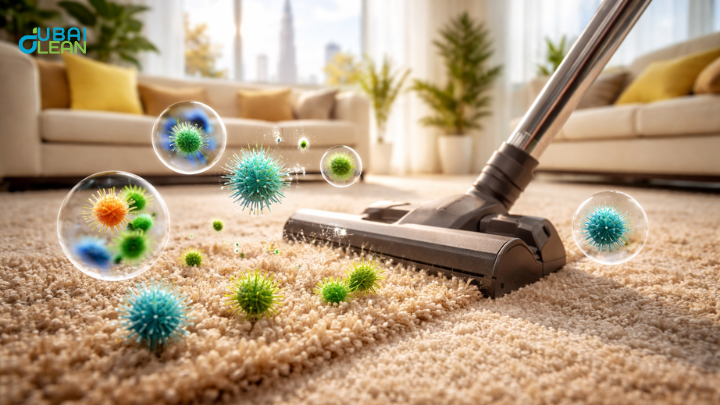
A wet carpet quickly becomes a breeding ground for mold, mildew, and harmful bacteria, which can trigger allergies, asthma, and infections, especially in children and the elderly. Even after the surface seems dry, deep moisture can persist in fibers and padding, allowing allergens and microbes to thrive. Prompt and proper drying is essential to protect health and maintain indoor air quality.
Structural Risks: Weakened Carpet Backing and Floorboards
Carpets aren’t just decorative; they sit atop layers including padding and the subfloor. Prolonged moisture exposure weakens the carpet backing and padding, causing fibers to lose resilience and texture. Over time, water can seep through to wood or concrete subfloors, leading to rot, warping, or long‑term structural compromise that often requires expensive repairs or full replacement.
Impact on Home Value and Family Health
Ignoring wet carpet issues doesn’t just affect comfort it can lower your property’s market value and impact health long‑term. Homes with visible water damage, lingering odors, or mold problems are often rated lower by buyers and inspectors because of the costs and risks associated with remediation.
2. Immediate Steps to Take After a Carpet Gets Soaked
When your carpet gets soaked, acting quickly can make the difference between a simple cleanup and long-term damage. Time is critical to prevent mold growth, structural problems, and health hazards. Using the right tools and methods ensures faster drying and protects both your home and family.
Prioritize Safety First: Before cleaning a soaked carpet, prioritize safety by unplugging nearby electrical appliances, wearing shoes with good grip to avoid slips, and using protective gloves if the water is dirty or flood-related to prevent exposure to bacteria or chemicals.
Remove Excess Water Immediately: Quickly removing standing water is essential to prevent mold, bacteria, and odors. Blot excess water with mops or towels, and for larger areas, use a wet vacuum or water extractor to remove moisture from deep within the carpet and padding, speeding up the drying process.
Act Fast to Minimize Damage: The longer water sits, the greater the risk of damage. Mold can develop within 24–48 hours, and carpet backing or subfloor materials may warp or weaken. Acting immediately helps protect your health and preserve your property’s value.
Dubai’s hot and humid climate may seem like it would help dry carpets faster, but indoor humidity can actually slow natural drying. Air-conditioned homes often trap moisture, making it harder for carpets to dry on their own. Using fans, dehumidifiers, or professional drying equipment is often necessary to prevent long-term damage.
3. Best Way to Dry Soaked Carpet
When it comes to protecting your home and health, knowing the best way to dry soaked carpet is essential. Proper drying not only prevents mold, bacteria, and odors, but also preserves the integrity of your carpet fibers and flooring. Follow these expert-recommended steps for a safe and effective drying process. Taking action quickly also helps maintain your home’s value and ensures a healthier living environment for your family.
Step 1: Elevate Carpet Edges to Allow Airflow
Carefully lift the edges of the wet carpet and padding to allow air to circulate underneath. For smaller sections, roll them up and place on a clean, dry surface. This helps reduce trapped moisture, preventing mold growth and damage to the carpet backing. Ensuring proper airflow also speeds up drying and restores the carpet’s texture more effectively.
Step 2: Use Industrial Fans or Blowers
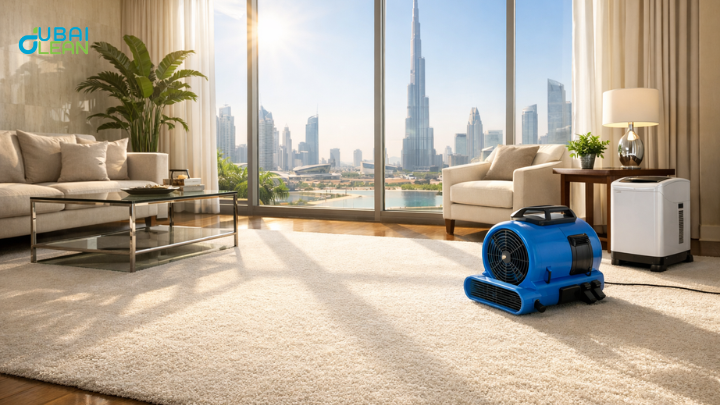
For larger areas, set up high-powered fans or blowers to speed up evaporation. Position fans to create cross-ventilation, pushing air beneath and over the carpet. In Dubai homes, where indoor spaces are often air-conditioned, circulating air is far more effective than relying on natural ventilation alone.
Step 3: Apply Moisture Absorbers or Dehumidifiers
Use moisture absorbers like silica gel packets or specialized carpet drying powders to pull water from deep within the fibers. Dehumidifiers help combat indoor humidity, which can slow drying even in air-conditioned rooms. For heavy flooding, consider commercial-grade dehumidifiers available in Dubai hardware or cleaning supply stores.
Step 4: Maintain Carpet Fibers and Prevent Shrinkage
Avoid direct sunlight or high heat, which can shrink or fade the carpet, and gently fluff fibers during drying to restore texture. Ensure the padding underneath is fully dry before placing furniture back to prevent indentations or mold growth. For best results, combine these steps with professional carpet drying equipment for a safe, fast, and effective process that protects your carpet and family’s health.
4. Drying Carpet After Flood: Advanced Techniques
After a major flood or severe water damage, simple mopping and fans may not be enough. Knowing the best methods for drying carpet after flood can prevent long-term damage, health hazards, and expensive repairs. Using professional techniques or proper equipment ensures thorough drying and protects both your home and family. Acting quickly also helps maintain the carpet’s quality and prevents hidden mold growth.
Professional Solutions
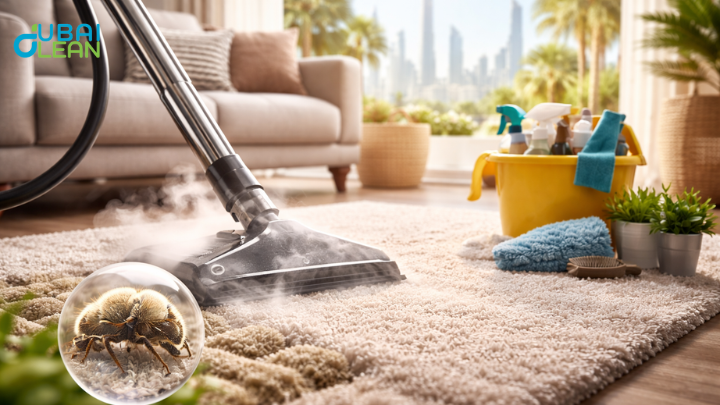
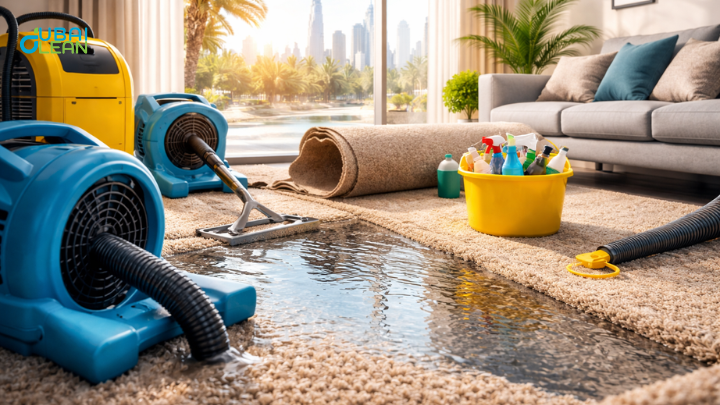
For serious water damage, professional carpet restoration services use advanced equipment to ensure a safe and thorough drying process. These techniques help remove moisture deep within the carpet and padding. They also prevent long-term damage and protect your home and family’s health.
- Truck-mounted extractors: These powerful machines remove water deep from carpet fibers and padding.
- Heat drying systems: Controlled heat speeds up evaporation without damaging carpet fibers.
- Antimicrobial treatments: Prevent mold, bacteria, and unpleasant odors, especially critical in flood-affected homes.
These professional approaches are often necessary for large areas, long-duration water exposure, or contaminated water (e.g., floodwater or sewage).
DIY Alternatives for Dubai Residents
For minor floods or small wet areas, you can combine professional knowledge with safe home techniques. Use high-powered fans and open windows to speed up drying. Apply mild, carpet-safe cleaning solutions to remove contaminants and prevent odors.
- High-powered fans: Direct airflow across the carpet to speed drying.
- Open windows: Encourage natural ventilation, especially during dry, windy days in Dubai.
- Safe cleaning solutions: Mild detergents or carpet-safe disinfectants can remove contaminants while drying.
Always monitor moisture levels to ensure no hidden damp spots remain, which could lead to mold later.
Tips to Prevent Mold and Odor After Flooding
After a flood, wet carpets can quickly develop mold and unpleasant odors if not dried properly. Taking the right steps early helps prevent microbial growth and lingering smells. The following tips show how to keep your carpets clean, dry, and safe after flooding.
- Lift carpets periodically and fluff fibers to allow even airflow.
- Place moisture absorbers under carpets in humid areas.
- Use dehumidifiers to reduce indoor humidity, especially in Dubai’s hot and humid climate.
- Regularly check the subfloor and carpet padding for lingering dampness.
5. Preventing Future Damage
Preventing carpet water damage is always better than repairing it. Implementing the right precautions can protect your home, your health, and your investment while reducing the risk of costly restoration. Simple steps like using water-resistant pads and regular maintenance can make a big difference.
Use Water-Resistant Carpet Pads: Water-resistant or waterproof carpet pads act as a barrier between your carpet and the subfloor, reducing moisture absorption. They help maintain carpet integrity during spills or minor flooding and are widely available in Dubai’s home improvement stores.
Elevate Carpets in Flood-Prone Areas: In areas like balconies, basements, or laundry rooms, raise carpets slightly off the floor using small supports or trays. This prevents direct contact with water during seasonal rains or plumbing leaks.
Regular Maintenance and Immediate Action: Vacuum and clean carpets regularly to remove dust and debris that trap moisture. Act immediately if a spill occurs, and monitor hidden areas like carpet edges and padding to prevent mold growth and fiber damage.
Dubai-Specific Advice: Dubai’s climate brings occasional heavy rains and high humidity, and AC leaks are a common cause of indoor carpet soaking. Use portable dehumidifiers, fans, and regularly inspect AC drip pans and drain lines. For flood-prone areas, consider tiles or water-resistant rugs, which are easier to dry and maintain.
6. Choosing Professional Carpet Restoration Services in Dubai
After severe flooding, hiring a certified and insured carpet restoration service in Dubai ensures thorough cleaning, drying, and treatment. Choose providers with experience, safety practices, eco-friendly products, and local expertise for the best results. Professionals use industrial extractors, dehumidifiers, and antimicrobial treatments to remove deep moisture and prevent mold. Clear communication and guidance on preventive measures protect your family, home, and property value.
Conclusion
Properly drying soaked carpets in Dubai is essential to prevent mold, protect your family’s health, and preserve your home’s value. By following expert-backed methods and acting quickly, you can safely restore your carpets and avoid long-term damage. Contact certified carpet restoration professionals in Dubai to ensure a fast, thorough, and worry-free cleanup.