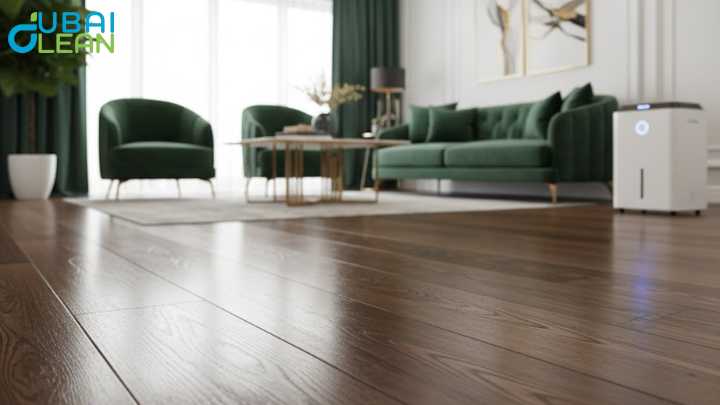



Disinfecting wood floors in Dubai needs extra caution because humidity changes, AC condensation, and fine desert dust can affect the wood. While cleaning removes dirt, disinfection targets germs and can harm the floor if done incorrectly. Using the wrong methods may damage finishes or even void warranties. Safe disinfection protects the health of your family and pets by minimizing chemical exposure. It also helps maintain the appearance and long-term value of your wood flooring.
1. How Dubai’s Climate Affects Wood Floors
Dubai’s hot and humid climate: combined with constant indoor air-conditioning, causes wood floors to expand and contract as the pores absorb and release moisture. These fluctuations make the wood more sensitive to liquids, meaning even small amounts of water or disinfectant can penetrate and damage the surface over time.
Moisture-heavy disinfectants: can seep into the wood, leading to swelling, warping, or discoloration, especially in high-quality or engineered floors commonly found in UAE villas and apartments. Over time, repeated exposure can weaken the floorboards and reduce their lifespan.
Additionally, indoor temperature: changes and dust accumulation create microenvironments where germs can thrive if disinfection is done incorrectly. Using controlled, low-moisture methods helps protect the wood while maintaining hygiene, preventing costly repairs, and ensuring the floors remain safe for families and pets.
2. Hidden Dangers of Improper Wood Floor Disinfection
Using the wrong disinfectants or over-wetting wood floors can pose serious health and safety risks. Children and pets may be exposed to harmful chemical residues, while excess moisture can encourage mold growth between floor seams. Slippery residues in high-traffic areas also increase the risk of falls, making safe disinfection practices essential for both health and property protection.
Chemical and Residue Risks
Harsh disinfectants or improper application can leave toxic residues on wood surfaces. Children crawling or playing on the floor and pets walking across it may come into contact with these chemicals, leading to skin irritation or respiratory issues.
Mold and Slippery Surfaces
Over-wetting wood floors allows moisture to seep into seams, creating ideal conditions for mold growth. Additionally, leftover disinfectant can make floors slick, increasing the likelihood of slips and injuries in homes with active families.
3. When Disinfecting Wood Floors Is Truly Necessary
Not every cleaning session requires full disinfection, but certain situations demand extra care to protect health and preserve flooring. Wood floors should be disinfected after someone in the household is ill, following renovation or sanding work, or when water damage or AC leaks occur. Rental move-ins and move-outs also require thorough disinfection to ensure hygiene. Knowing the right circumstances helps prevent unnecessary chemical exposure and protects your floors from damage.
| Situation | Reason for Disinfection |
| After illness in the household | Kills bacteria and viruses that may linger on the floor surface |
| Post-renovation or sanding work | Removes dust, debris, and potential microbial contaminants |
| Flooding, AC leaks, or humidity damage | Prevents mold growth and water-related damage |
| Rental move-in / move-out | Ensures a hygienic environment for new occupants |
4. Safe Wood Floor Disinfection Methods
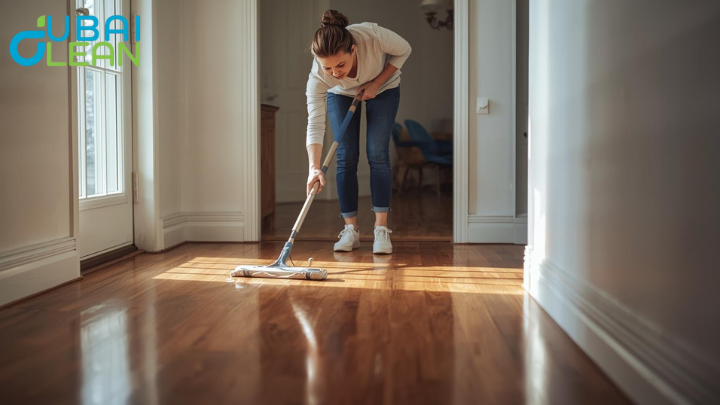
To protect wood floors while keeping them hygienic, it’s important to use safe, professional-grade disinfection methods rather than harsh DIY chemicals. Low-moisture techniques, pH-neutral solutions, and targeted spot cleaning help kill germs without damaging the wood. These approaches minimize moisture exposure, maintain finish integrity, and prevent overuse of chemicals. Focusing on precision and the right products ensures both a clean and long-lasting floor.
- Use low-moisture disinfecting sprays or wipes instead of soaking the floor
- Apply disinfectant in controlled, small amounts to prevent seepage into wood pores
- Keep dwell time short to avoid prolonged contact with moisture
- Choose pH-neutral antimicrobial solutions safe for all wood finishes
- Avoid alcohol-heavy or chlorine-based products that can strip or discolor wood
- Focus disinfection on high-touch areas like entryways, kitchens, and pet zones
- Test any new disinfectant in an inconspicuous area before full application
- Wipe floors dry immediately after disinfection to prevent water absorption
- Repeat spot cleaning only when necessary to reduce chemical exposure
5. How to Ensure Your Disinfectant Is Safe
Verifying whether a disinfectant is truly safe for wood floors starts with carefully reading the manufacturer’s label. Look for terms like “safe for sealed wood,” “pH-neutral,” or “non-abrasive,” and avoid products that contain high levels of alcohol, bleach, or strong solvents, which can strip finishes or damage wood fibers. Keep in mind that marketing claims like “safe for all surfaces” may not account for delicate or high-end wood finishes, so understanding the specific wording is essential before applying any product.
Another crucial step is testing the disinfectant in an inconspicuous area, such as a corner or under a piece of furniture, before using it on the main floor. This allows you to observe any adverse effects like discoloration, dulling, or warping without risking visible damage. By following these precautions, homeowners can make informed decisions, maintain the integrity of their wood flooring, and ensure both hygiene and long-term protection for their property.
6. Real Risks of Over-Sanitizing Wood Floors
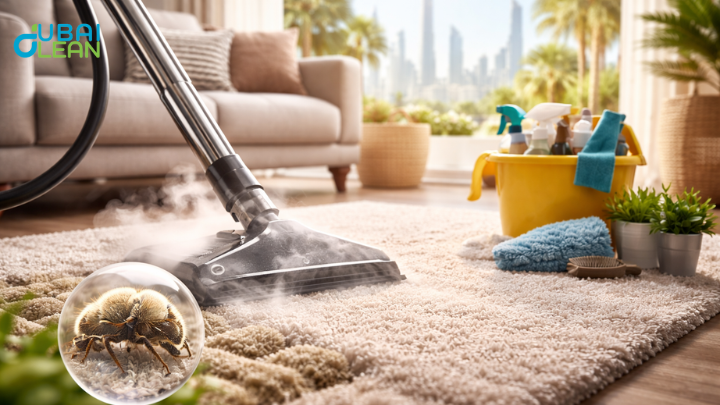
A common mistake flooring professionals see in Dubai homes is when a family, concerned about germs after a minor illness, repeatedly applies strong disinfectants across all their wooden floors. Within a few days, the floorboards start to show dull spots and slight warping near the seams, while children’s play areas become slippery due to leftover residue. This real-life example highlights how over-sanitizing, mixing products, or trusting steam mops marketed as “safe for wood” can unintentionally damage floors, reduce their lifespan, and even create health hazards.
Conclusion
In conclusion, safely disinfecting wood floors by Dubaiclean gives a careful, expert-guided approach that prioritizes both health and floor integrity. Homeowners should make informed decisions based on proven methods rather than following trends or DIY shortcuts, ensuring that chemicals and moisture do not cause long-term damage. By adopting safe disinfection practices, families can protect their loved ones, maintain a hygienic living environment, and preserve the value and beauty of their wood flooring for years to come.