



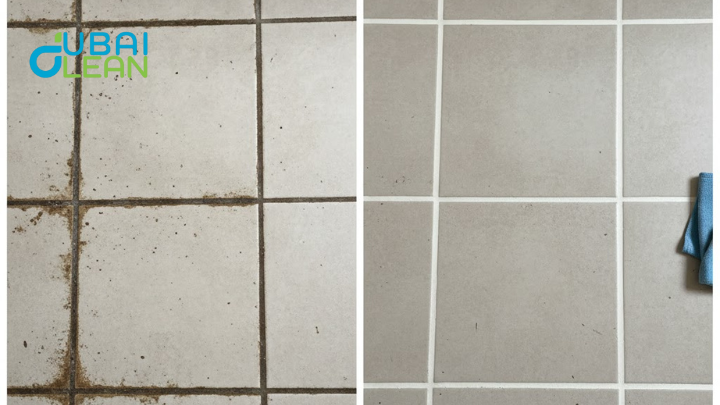
Keeping your grout clean is essential not just for the appearance of your tiles, but also for maintaining a healthy living environment. Sanded grout naturally absorbs dirt, moisture, and spills over time, which can lead to discoloration and stubborn stains if not cleaned properly. When neglected, grout lines can become a breeding ground for mold and bacteria, and using harsh chemicals may further damage surfaces or affect indoor air quality. This guide is based on professional cleaning experience, offering safe, proven methods to help you clean sanded grout effectively while protecting your home and health.
1. What Is Sanded Grout? Why It Gets Dirty So Easily
Sanded grout: is a type of grout that contains fine sand particles mixed with cement, giving it added strength and durability. Unlike unsanded grout, which is smoother and used for narrower joints, sanded grout is ideal for wider gaps between tiles because it resists cracking and shrinking over time. Its textured surface, however, makes it more prone to trapping dirt, spills, and debris.
The porous nature: of sanded grout means it naturally absorbs moisture and grime, which can settle deep into the lines between tiles. Over time, this accumulation causes discoloration and can make even freshly cleaned tiles look dull. Kitchens, bathrooms, and high-traffic areas are particularly susceptible, as spills, soap residue, and foot traffic accelerate dirt buildup.
Many homeowners: notice that even regular sweeping or mopping isn’t enough to keep sanded grout looking fresh. For example, in bathrooms, grout lines near the shower often darken due to moisture and soap scum, while kitchen floors can develop stubborn stains from cooking spills. These real-world challenges highlight the need for proper cleaning techniques and regular maintenance to preserve the appearance and hygiene of your grout.
2. Cleaning Sanded Grout the Right Way
Cleaning sanded grout requires careful preparation to protect both your home and your health. Proper ventilation and the use of protective gear are essential to avoid inhaling dust or fumes, while choosing the right cleaning products prevents damage to grout and tiles. Additionally, considering child- and pet-safe methods ensures your home remains safe for everyone.
Use Protective Gear
Always wear gloves, a mask, and eye protection when handling grout cleaners. This prevents irritation from chemical exposure or contact with grime and bacteria that may be trapped in grout lines. Additionally, consider wearing old clothes or an apron to protect your skin and fabrics from accidental splashes. Proper ventilation is also essential open windows or use a fan to ensure fumes from cleaning solutions don’t accumulate indoors.
Safe Effective Cleaners
Avoid harsh or abrasive cleaners that can erode grout over time and damage surrounding tiles. Instead, opt for pH-balanced cleaners or natural solutions like baking soda, hydrogen peroxide, or diluted vinegar (on safe surfaces). These options effectively lift stains and disinfect without releasing harmful fumes or residues. For heavily soiled grout, using a combination of natural cleaners with gentle scrubbing tools.
3. How to Clean Sanded Grout Naturally
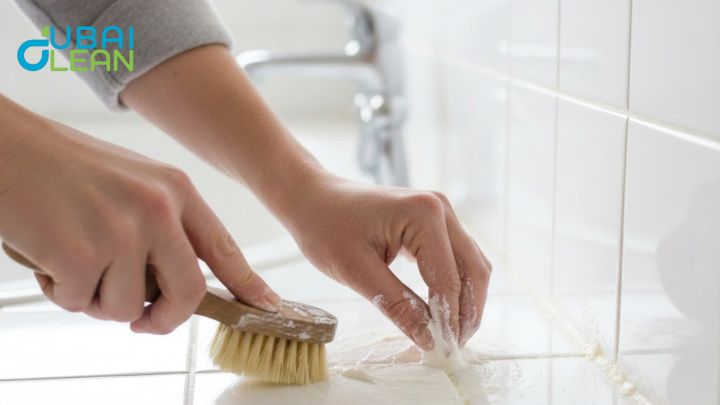
Cleaning sanded grout naturally is a safe and effective way to restore its appearance without exposing your home to harsh chemicals. Using simple ingredients like baking soda, hydrogen peroxide, and vinegar can lift stains, disinfect grout lines, and improve indoor air quality. Natural cleaning methods are not only eco-friendly but also safer for children, pets, and sensitive surfaces.
| Natural Cleaner | How to Use | Benefits |
| Baking Soda Paste | Mix baking soda with water to form a paste and apply to grout lines. Scrub gently with a soft brush. | Lifts stains naturally, mild abrasive action, safe for most tiles. |
| Hydrogen Peroxide | Apply directly to grout stains or mix with baking soda for tougher spots. Let sit, then scrub. | Deep cleans and disinfects without harsh fumes, safe for indoor use. |
| Vinegar | Dilute vinegar with water (1:1) and apply only on tiles/grout that aren’t sensitive to acid. | Removes mildew and soap scum naturally; improves hygiene. |
4. Step-by-Step Process of Cleaning Grout
Cleaning sanded grout effectively requires the right tools, techniques, and attention to detail to avoid damaging the grout or tiles. Following a step-by-step approach ensures that grout lines are thoroughly cleaned, residues are removed, and the surface stays protected. Avoiding common DIY mistakes helps maintain the longevity and appearance of your grout.
- Gather necessary tools: soft-bristle brush, toothbrush, microfiber cloths, and a spray bottle.
- Sweep or vacuum the area to remove loose dirt and debris before cleaning.
- Prepare your natural cleaning solution (e.g., baking soda paste or hydrogen peroxide mix).
- Apply the cleaner evenly along grout lines, ensuring full coverage.
- Scrub gently in circular motions to lift dirt without scratching the tiles.
- Focus on heavily stained areas, letting the solution sit for a few minutes if needed.
- Rinse thoroughly with clean water to remove all cleaning residues.
- Dry grout lines completely using a microfiber cloth to prevent moisture buildup.
- Avoid harsh chemicals, metal brushes, or excessive scrubbing that can erode the grout.
5. Removing Mould and Tough Stains
Mold and mildew in grout lines are more than just unsightly; they can pose health risks, especially for children, the elderly, and anyone with respiratory issues. Sanded grout’s porous nature allows moisture to seep in, creating an ideal environment for bacteria and mould to grow. Naturally effective solutions, such as baking soda and hydrogen peroxide paste or diluted vinegar (where safe), can remove surface mold while being safe for indoor use. These natural methods clean thoroughly without the harsh fumes of chemical cleaners, protecting both your health and your tiles.
However, if mould has penetrated deeply into grout or caused discoloration that persists after cleaning, it may indicate damage requiring professional treatment. Warning signs include persistent black or green stains, a musty odor, or crumbling grout. In these cases, professional cleaning or regrouting ensures the mould is fully removed and prevents further growth, maintaining both hygiene and the structural integrity of your tiles.
Conclusion
Cleaning sanded grout safely and effectively is essential for maintaining the hygiene, durability, and appearance of your tiles. Using natural methods like baking soda, hydrogen peroxide, and safe DIY techniques can restore grout lines without exposing your home to harsh chemicals. For stubborn stains, mould, or damaged grout, seeking professional support ensures long-lasting results and protects your investment. DubaiClean provides expert grout cleaning services that combine safe, proven methods with professional care, helping your home stay clean, healthy, and beautiful.