


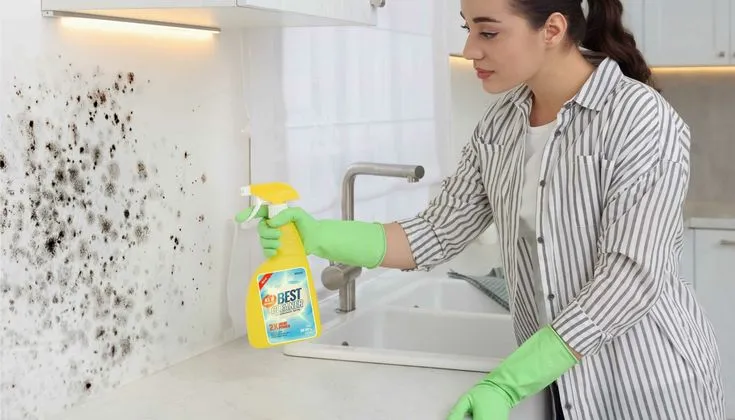
In Dubai’s humid indoor environments, especially in bathrooms, kitchens, and basements, mold on walls is an all-too-common issue. It’s not just an eyesore; it can also lead to unpleasant odors, allergic reactions, and long-term damage to your home.
This guide will help you understand why mold appears, how to clean it properly, and how to prevent it from coming back. Whether you’re dealing with minor surface mold or stubborn patches behind furniture, you’ll find practical, effective tips here tailored for Dubai homes.
Why Mold Grows on Walls in Dubai
The combination of humidity, poor ventilation, and dust buildup makes Dubai homes vulnerable to mold growth, especially in:
- Bathrooms with limited airflow
- Kitchens are exposed to constant moisture
- Bedrooms with air conditioning leakage
- Behind wardrobes placed against exterior walls
When condensation occurs on cooler surfaces (like concrete or tiled walls), mold spores settle and multiply quickly, especially in poorly lit or damp areas.
Health Risks of Wall Mold
Ignoring mold can affect your health, especially for people with respiratory conditions, children, or elderly family members. Common problems include:
- Allergic reactions (sneezing, coughing, watery eyes)
- Asthma attacks
- Sinus congestion
- Skin irritation
- Headaches or fatigue
Prolonged mold exposure also lowers indoor air quality, making your living space uncomfortable and unsafe.
Signs You Have Mold on Walls
Before you jump to cleaning, confirm it’s mold. Look for these signs:
- Black, green, or gray patches on walls
- Musty, damp smell
- Peeling or bubbling paint
- Discoloration behind furniture or curtains
- Recurring damp spots
If these symptoms are persistent, it’s time to take action.
Tools & Materials Needed
Before you begin, gather these essentials:
- Protective gloves and mask
- Scrub brush or sponge
- Spray bottle
- White vinegar or hydrogen peroxide
- Baking soda (optional)
- Detergent
- Bucket of warm water
- Old towels or
- Dehumidifier or fan
Never clean mold bare-handed; it can release harmful spores during the process.
How to Clean Mold on Painted Walls
Step 1: Wear Protective Gear
Always use gloves and a face mask to avoid inhaling spores.
Step 2: Ventilate the Area
Open windows and doors. If possible, place a fan blowing air out of the room to direct spores outside.
Step 3: Prepare the Cleaning Solution
Mix one part vinegar with one part water in a spray bottle. You can also use hydrogen peroxide for more stubborn mold.
Step 4: Spray Affected Areas
Generously spray the solution onto the moldy spots and let it sit for 10–15 minutes.
Step 5: Scrub and Wipe
Use a sponge or scrub brush to remove the mold. Rinse with warm water and dry with a towel.
Step 6: Repeat if Necessary
For deep-rooted mold, repeat the process or try baking soda mixed with water for additional scrubbing power.
Cleaning Mold on Bathroom Tiles or Grout
Tile grout is a common mold hotspot in Dubai due to high bathroom humidity. Here’s how to clean it:
- Use hydrogen peroxide directly on grout
- Let it sit for 15 minutes
- Scrub with a toothbrush
- Rinse and dry completely
- Apply a grout sealer if possible to prevent recurrence
Cleaning Mold on Concrete or Unpainted Walls
Concrete walls in parking areas, balconies, or utility rooms often attract mold.
- Scrub with a solution of detergent and water
- Rinse thoroughly
- Let the wall dry completely
- Apply a mold-resistant primer or sealant
Preventing Mold from Returning
1. Improve Airflow
Install exhaust fans in bathrooms and kitchens. Open windows during mild weather.
2. Reduce Humidity
Use a dehumidifier, especially in windowless rooms. Maintain indoor humidity levels below 60%.
3. Fix Leaks Promptly
Leaking AC units or pipes behind walls can cause hidden mold. Fix them immediately.
4. Keep Furniture Away from Walls
Leave space between furniture and walls to improve airflow and prevent moisture traps.
5. Regular Cleaning
Wipe down high-humidity areas weekly with mold-killing solutions like vinegar or borax.
Natural vs. Chemical Mold Cleaners
Natural Cleaners
- Vinegar
- Baking Soda
- Tea Tree Oil
- Hydrogen Peroxide
Chemical Cleaners
- Bleach
- Ammonia
- Commercial mold removers
Note: Bleach kills surface mold but doesn’t penetrate porous surfaces. Use it carefully and avoid mixing with ammonia.
When to Call Professionals
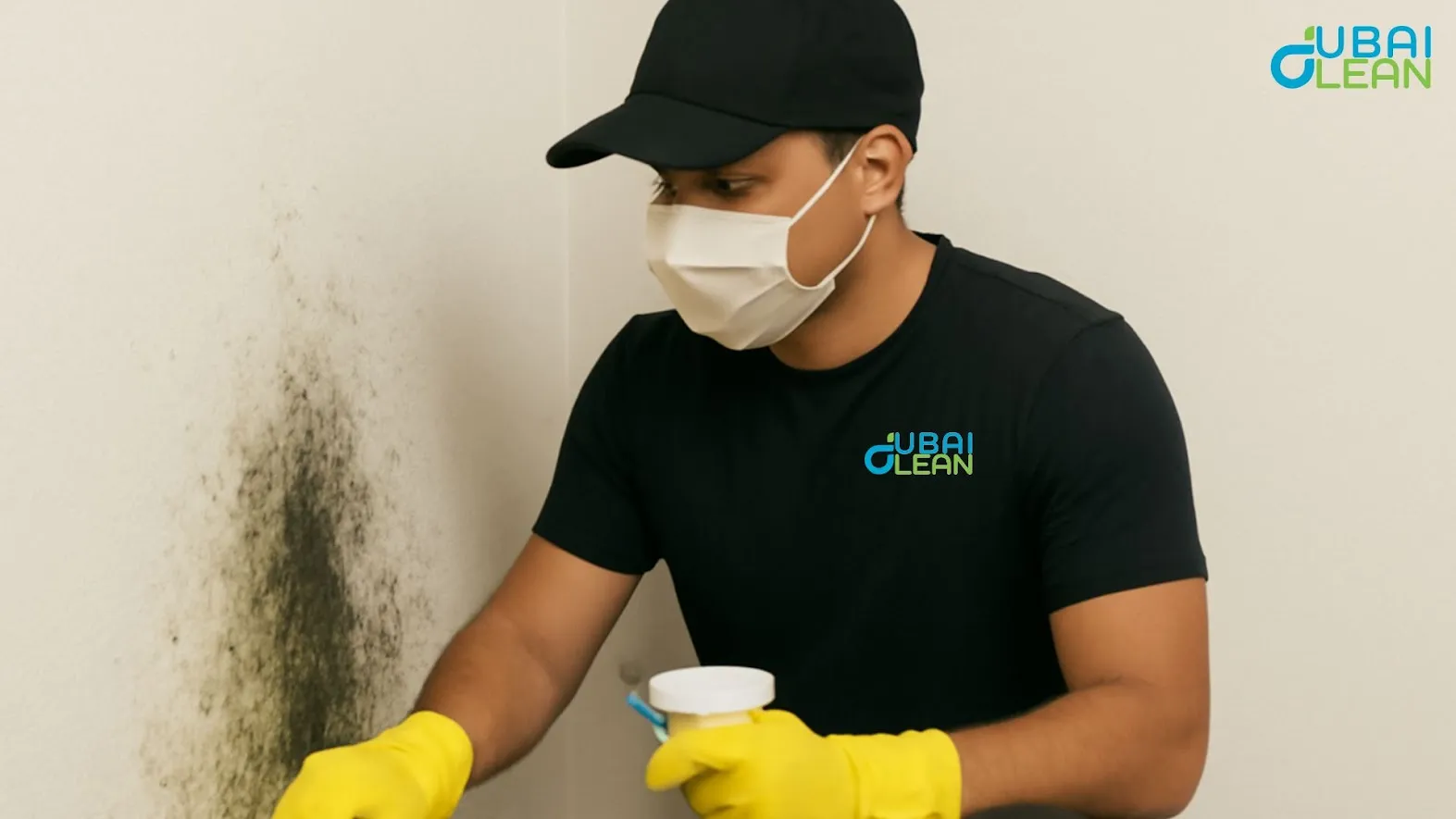
If the mold covers a large area (over 10 square feet), keeps returning, or has spread into walls, insulation, or ducts, it’s best to hire a professional mold remediation service.
Experts have industrial-grade equipment, mold detection tools, and the right chemicals to tackle severe infestations safely.
Costs of Professional Mold Removal in Dubai
The cost depends on:
- Severity and size of mold growth
- Accessibility (bathroom vs. behind drywall)
- Type of treatment used
- Location (villa vs. apartment)
Expect to pay between AED 500 to AED 2,500 or more for professional mold remediation in Dubai.
FAQs
Final Thoughts
Wall mold is more than a cosmetic problem; it’s a health hazard that worsens over time. With Dubai’s climate, tackling mold early is essential. From vinegar sprays to ventilation tips, these steps can help you keep your walls clean, safe, and mold-free. But if the infestation keeps coming back, don’t hesitate to call in the pros.
For expert mold removal and indoor deep cleaning services in Dubai, DubaiClean offers reliable and affordable solutions tailored to your home’s specific needs.