



Bed bugs are one of those problems no one wants to talk about but everyone wants to avoid. In a fast-moving city like Dubai, where people frequently travel, move apartments, and host guests, bed bug infestations are more common than most homeowners realize. If you’re searching for how to avoid bed bugs, you’re already taking the right first step. Prevention is always easier, safer, and far less expensive than dealing with a full infestation. In this guide, we’ll explain how bed bugs spread, the early warning signs, and practical, proven ways to prevent bed bugs in Dubai apartments, villas, and shared accommodations using insights from professional pest control experience.
1. Why Bed Bugs Are Common and What You Need to Know in Dubai
Bed bugs are tiny, blood-feeding insects that hide in mattresses, furniture, and cracks near sleeping areas. Although they are small, they spread quickly and are extremely difficult to eliminate once established. In a global city like Dubai where travel, high-rise living, and frequent relocations are part of daily life, bed bugs have become a growing concern for both residents and property owners.
What Are Bed Bugs and How Do They Survive Indoors?
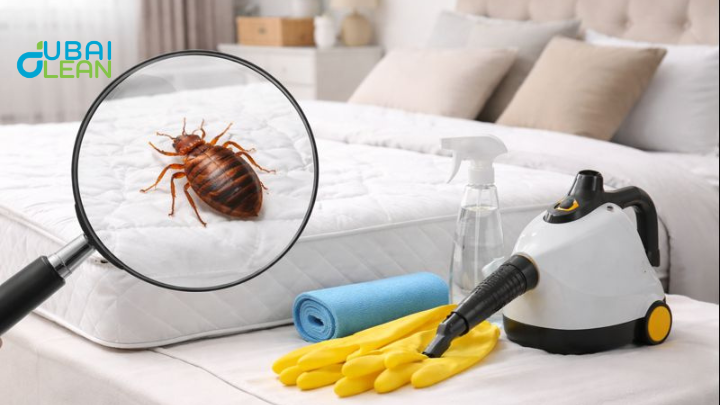
Bed bugs are flat, oval-shaped insects that feed exclusively on human blood, usually at night while people sleep. They hide during the day in mattress seams, bed frames, sofas, curtains, and even behind wall sockets, making them hard to detect in the early stages. One reason bed bugs are so difficult to control is their ability to survive for months without feeding, allowing them to remain hidden until the population grows.
In Dubai homes, bed bugs thrive indoors because air-conditioned environments provide stable temperatures, making bedrooms and living areas ideal hiding and breeding spaces throughout the year.
Why High Travel Activity Makes Bed Bugs Common in Dubai
Dubai is one of the world’s busiest travel hubs, welcoming millions of tourists, business travelers, and transit passengers every year. Bed bugs commonly spread by hitchhiking on luggage, clothing, and personal belongings, which makes hotels, serviced apartments, and short-term rentals high-risk locations.
Once brought into a home, bed bugs can quickly spread to beds, sofas, and nearby rooms. Residents who travel frequently or host visiting guests are at a higher risk, especially if luggage is placed on beds or unpacked without inspection. This constant movement of people is a major reason bed bugs are increasingly common across Dubai residences.
How Apartment Living Contributes to Bed Bug Infestations
High-rise apartment living is another key factor behind bed bug infestations in Dubai. In shared buildings, bed bugs can move between apartments through wall cracks, electrical outlets, plumbing lines, and shared laundry areas. Even if one unit is clean and well-maintained, an untreated infestation in a neighboring apartment can spread unnoticed
Bed bugs do not need direct contact to travel, which makes early detection and professional treatment essential in apartment complexes. Without coordinated pest control measures, infestations can persist and reappear, affecting multiple units over time.
2. How to Avoid Bed Bugs While Traveling
Traveling is one of the most common ways bed bugs enter homes, especially in a global travel hub like Dubai. Whether you’re staying in a hotel, serviced apartment, or visiting family abroad, a few smart precautions can significantly reduce the risk of bringing bed bugs back with you.
Inspect Your Hotel Room Before Settling In
As soon as you enter your hotel room, take a few minutes to inspect the sleeping area before unpacking. Carefully check mattress seams, bed frames, headboards, and pillows for small black spots, shed skins, or live bed bugs. Pay close attention to corners and fabric folds where bed bugs like to hide.
In Dubai and international hotels a like, bed bugs can appear even in high-end accommodations due to frequent guest turnover. If you notice any signs, request a room change immediately preferably in a different area of the building or consider changing hotels altogether to avoid exposure.
Handle Luggage and Clothing with Care During Your Stay
Your luggage is the most common carrier for bed bugs while traveling. Always place suitcases on luggage racks instead of beds, sofas, or floors, as these areas are more likely to harbor bed bugs. Keep clothes inside sealed packing cubes or zippered bags, and avoid using hotel drawers unless absolutely necessary. Bed bugs can easily crawl into open suitcases or clothing piles, especially during overnight stays. Being mindful of where you place your belongings reduces the chances of bed bugs hitchhiking their way back to your Dubai home.
Take Precautions When Returning Home from a Trip
What you do after returning home is just as important as what you do while traveling. Unpack your luggage away from bedrooms, ideally in a laundry or bathroom area. Wash all clothes clean or worn in hot water and dry them on high heat to kill any hidden bed bugs or eggs. Vacuum suitcases thoroughly, paying attention to seams and pockets, and store them in sealed covers or outside living spaces. These simple but effective steps can prevent a minor exposure from turning into a full bed bug infestation in your home.
3. Professional Prevention vs DIY Methods
When it comes to avoiding bed bugs, many homeowners try do-it-yourself solutions first. While DIY methods may help reduce risk in the early stages, professional prevention offers a more reliable, long-term solution especially in high-risk environments like Dubai apartments and villas.
| Aspect | DIY Bed Bug Prevention | Professional Bed Bug Prevention |
| Effectiveness | Limited to surface-level prevention and early signs | Comprehensive prevention with expert inspection |
| Detection Accuracy | Easy to miss hidden bed bugs or eggs | Trained professionals detect even early infestations |
| Tools & Equipment | Household cleaners and basic sprays | Commercial-grade tools and approved treatments |
| Long-Term Protection | Requires frequent repetition | Preventive plans reduce future risk |
| Safety | Risk of incorrect chemical use | Safe, regulated, and family-friendly methods |
| Time & Effort | Time-consuming and inconsistent | Fast, efficient, and professionally managed |
| Suitability for Apartments | Not effective for shared buildings | Ideal for apartments, villas, and complexes |
4. How to Avoid Bed Bugs in Homes with Children and Pets
Homes with children and pets require extra care when it comes to bed bug prevention. While safety is a priority, effective measures can still be implemented to keep your entire household protected without harmful chemicals or risky DIY treatments.
- Use mattress and pillow encasements: Fully cover beds and pillows with bed bugs–proof encasements to prevent insects from hiding in sleeping areas.
- Keep children’s play areas clean: Regularly vacuum carpets, rugs, and soft toys to reduce potential hiding spots for bed bugs.
- Wash bedding and clothes regularly: Launder all sheets, pillowcases, and clothing in hot water (60°C+) to kill any eggs or bugs.
- Inspect second-hand furniture: Avoid bringing used furniture or mattresses into your home unless they have been professionally treated.
- Limit clutter near sleeping areas: Bed bugs love tight, dark spaces; keeping bedrooms organized makes inspection and prevention easier.
- Use pet-safe cleaning solutions: Steam clean pet beds, blankets, and upholstery to remove potential pests without harming pets.
- Monitor early warning signs: Check for small bites, black spots, or shed skins on beds and furniture to detect infestations early.
Conclusion
Preventing bed bugs is always easier than dealing with an infestation later. By understanding how bed bugs spread, practicing smart travel habits, keeping your home clean, and using professional prevention when needed, you can protect your family, pets, and property. Dubai’s fast-paced lifestyle and frequent travel make homes particularly vulnerable but with the right strategies, you can stay one step ahead. From mattress encasements and regular inspections to professional treatments by trusted experts, prevention is key.