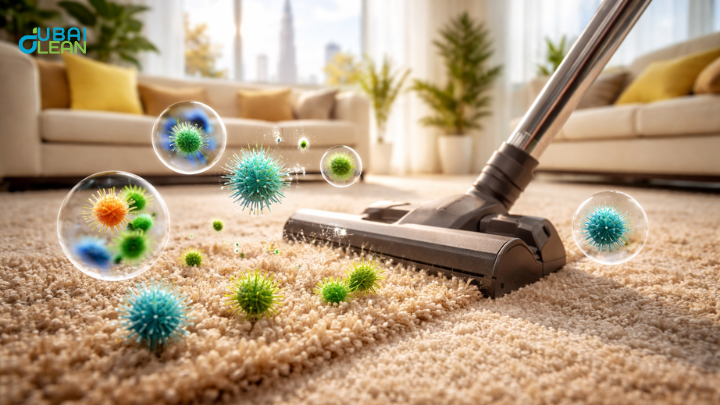



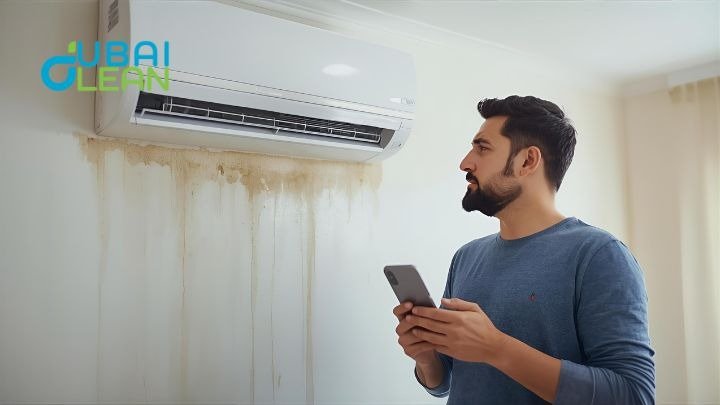
Maintaining healthy indoor air is crucial, as poor air quality can trigger allergies, respiratory issues, and affect vulnerable family members. Your ducted air conditioning system plays a major role, as air duct vents can accumulate dust, pollen, mold, and other pollutants over time. Regular cleaning ensures these contaminants don’t circulate, protecting your home’s air quality and promoting a safer living environment.
1. Why Indoor Air Quality Matters
Indoor air quality plays a critical role in the health and comfort of everyone in your home. Pollutants such as dust, pollen, mold spores, and bacteria can accumulate in air cleaner ducts and air duct vents, contributing to allergies, asthma, and other respiratory issues. Poor air quality can also aggravate existing health conditions and affect overall well-being, especially for children, the elderly, and individuals with compromised immune systems.
Maintaining clean indoor air helps prevent these health risks while promoting a more comfortable living environment. Regular Air Duct Cleaning and inspection of your ducted air conditioning system ensure that harmful particles are removed before they circulate throughout your home. By prioritizing indoor air quality, homeowners can create a safer, healthier space for their families.
Health Impacts of Neglected Air Ducts in Your Home
Poor indoor air quality can have serious consequences for your family’s health. Dust, mold, pollen, and bacteria that accumulate in air cleaner ducts and air duct vents can trigger allergies, worsen asthma symptoms, and even contribute to respiratory infections. Long-term exposure to contaminated indoor air may increase the risk of chronic respiratory conditions, particularly in children, the elderly, and individuals with compromised immune systems.
How Indoor Air Quality Impacts Your Family’s Health
Air cleaner ducts act as the central pathways for circulating air throughout your home. When these ducts are clogged or contaminated, pollutants are continuously distributed, reducing overall air quality and potentially exposing your family to harmful microorganisms. According to health authorities like the CDC and WHO, contaminated indoor air is a recognized public health concern, underscoring the importance of regular maintenance for your air duct vents.
By keeping your ducts clean and ensuring your ducted air conditioning system operates efficiently, you not only reduce health risks but also create a safer, more comfortable living environment for everyone.
2. Factors Affecting Air Duct Cleaning Frequency
The frequency of air duct cleaning depends on several important factors. Homes with heavy ducted air conditioning system usage, high humidity, or dusty environments may require more frequent maintenance. Households with pets, smokers, or residents with allergies or respiratory issues are also at higher risk of contaminant buildup in air cleaner ducts and air duct vents.
The type and design of your AC system, such as a ducted split air conditioner, can influence how quickly debris accumulates. Regular monitoring, seasonal inspections, and professional assessments help determine the best cleaning schedule for your home. By considering these factors, homeowners can maintain cleaner air and protect their family’s health while improving system efficiency.
How Your Home’s Environment Determines Air Duct Cleaning Schedule
The frequency of air duct cleaning is not one-size-fits-all—it depends on several factors within your home. Usage intensity is a primary consideration: homes that run their ducted split air conditioner year-round naturally accumulate dust, allergens, and other pollutants faster than homes that use AC seasonally.
Environmental conditions also play a major role. Homes in dusty or humid areas, households with pets, or environments where smoking occurs indoors may see a faster buildup of debris in air cleaner ducts and air duct vents. Ignoring these factors can reduce indoor air quality and increase health risks for occupants.
Families with children, elderly residents, or allergy sufferers should be particularly attentive, as their vulnerability makes timely air duct cleaning service crucial to prevent exposure to allergens and bacteria.
Why Ducted Split Air Conditioner Maintenance Frequency Differs
Not all AC systems accumulate pollutants at the same rate. Ducted split air conditioners differ from standard HVAC systems in design and airflow patterns, which can influence how quickly dust, mold, and debris build up inside the ducts. Homes with complex duct layouts, hidden vents, or longer duct runs may require more frequent cleaning to maintain optimal air quality.
Professional air duct cleaning services can assess your specific system and environmental factors to recommend a personalized cleaning schedule, ensuring both efficiency and a healthier indoor environment.
3. Recommended Cleaning Intervals
The ideal air duct cleaning schedule varies depending on household conditions and AC system usage. For most homes, professional cleaning every 2 to 5 years is sufficient to maintain clean air duct vents and healthy indoor air. However, households with pets, children, elderly members, or allergy sufferers may benefit from annual cleaning to reduce allergens and contaminants.
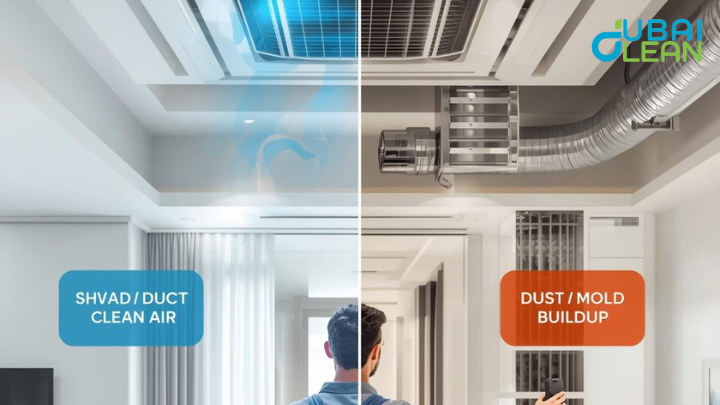
Signs that your ducted air conditioning system needs attention include visible dust buildup, musty odors, or reduced airflow. Certified HVAC professionals recommend following a personalized cleaning schedule based on these factors. Maintaining consistent intervals not only protects your family’s health but also enhances the efficiency and lifespan of your AC system.
How Often Should You Schedule Air Duct Cleaning?
For most households, air duct vents should be professionally cleaned every 2 to 5 years, depending on usage and environmental factors. Homes with higher risk factors, including children, elderly family members, allergy sufferers, or pets, may require air duct cleaning every year.Certified HVAC studies indicate that timely cleaning helps maintain optimal airflow, reduces the spread of allergens, and ensures your ducted air conditioning system operates efficiently.
4. Benefits of Regular Air Duct Cleaning
Regular air duct cleaning offers significant health and efficiency benefits for your home. By removing dust, mold, pollen, and bacteria from air cleaner ducts and air duct vents, it helps reduce allergies, asthma triggers, and other respiratory issues. Clean ducts also allow your ducted split air conditioner to operate more efficiently, lowering energy bills and reducing strain on the system. Preventative maintenance extends the lifespan of your AC system while ensuring consistent airflow and optimal indoor air quality. Ultimately, scheduling routine cleaning creates a healthier, safer, and more comfortable living environment for your family.
Top Health Benefits of Keeping Air Ducts Clean
Routine cleaning of air ducts plays a vital role in keeping your indoor air clean and healthy. Over time, air cleaner ducts can accumulate dust, mold, bacteria, and other allergens. By scheduling routine cleaning, you significantly reduce exposure to these harmful particles, helping prevent respiratory issues, allergies, and other health problems. Health organizations such as the CDC emphasize that proper ventilation and clean ducts are key to minimizing indoor air pollution risks.
Energy and Maintenance Advantages of Regular Air Duct Care
Clean ducts not only improve health but also enhance system efficiency. Ducted split air conditioners with clean airflow pathways operate more effectively, consuming less energy and lowering electricity bills. Additionally, removing debris prevents strain on the system, helping avoid costly repairs and extending the lifespan of your AC unit.
By combining health benefits with energy efficiency and preventative care, Regular Air Duct Cleaning ensures that your home remains safe, comfortable, and cost-effective over time.
5. How to Choose a Cleaning Schedule That Works
Creating an effective air duct cleaning schedule depends on your home environment, family health needs, and the type of AC system you use. Homes with pets, children, elderly residents, or allergy sufferers may require more frequent maintenance of air cleaner ducts and air duct vents. Regular seasonal inspections, visual checks, and professional assessments help determine when cleaning is necessary.
Certified air duct cleaning services can provide personalized recommendations based on system type, usage, and pollutant buildup. By establishing a tailored schedule, homeowners can maintain healthy indoor air, prevent potential health risks, and ensure their ducted air conditioning system operates efficiently year-round.
Creating a Personalized Air Duct Cleaning Plan
Choosing the right air duct cleaning service schedule starts with assessing your home environment, family health needs, and the type of AC system you have. Homes with high dust exposure, pets, or family members prone to allergies may require more frequent cleaning. Likewise, complex systems like ducted split air conditioners or older air cleaner ducts may accumulate debris faster, necessitating a tailored maintenance plan.
Key Considerations for Maintaining Healthy Indoor Air
Homeowners can take several practical steps to maintain indoor air quality between professional cleanings:
- Seasonal Check-Ups: Schedule inspections at least twice a year to detect early signs of dust, mold, or airflow issues.
- Visual Inspections: Regularly examine vent openings for visible dust buildup or discoloration.
- Professional Assessments: Certified technicians can provide detailed evaluations, ensuring cleaning is done safely and effectively.
Since indoor air quality directly affects your family’s health and well-being, making informed decisions about air duct cleaning services is a YMYL-critical choice. A proactive, personalized cleaning schedule helps prevent health risks while keeping your home environment safe and comfortable.
Conclusion
For homeowners in Dubai looking to maintain healthy indoor air, Dubai Clean offers guidance and insights on AC Duct Cleaning and keeping your ducted air conditioning systems and air duct vents clean and safe. Proper maintenance of air ducts not only reduces allergens, mold, and bacteria but also improves airflow efficiency, protects family health, and lowers energy costs. By following expert recommendations and professional cleaning practices, you can ensure a safer, more comfortable indoor environment for everyone in your home.