


Living in Dubai means dealing with warm weather and indoor spaces that often stay closed up. Mold is a common issue in these conditions and trying to clean it without the right approach can make things worse. When mold isn’t fully removed it can spread through the air and trigger allergies or breathing issues. These reactions are often caused by mold spores that stay behind or get disturbed during cleanup. Understanding how this happens can help you protect your health and keep your indoor air clean.
What Are Mold Remediation Allergies?
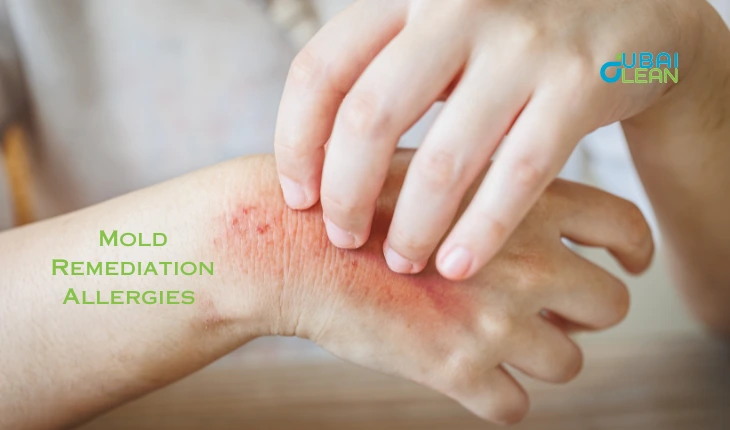
Mold remediation allergies happen when someone has a reaction to mold spores that become airborne during or after mold removal. If the cleanup isn’t done properly, these tiny spores can stay in the air and make people feel unwell. Common reactions include sneezing, coughing, itchy eyes, and even breathing problems like asthma. How strong these reactions are depends on a person’s health, how sensitive they are, the type of mold, and how much they’ve been exposed to.
Why Is This a Growing Concern in Dubai?
Dubai’s hot and humid weather makes it easy for mold to grow, especially in areas where moisture builds up. Most homes and buildings use air conditioning to stay cool, but if the systems aren’t cleaned regularly, they can trap moisture and spread mold. Also, many buildings are tightly sealed, which means there isn’t enough fresh air moving through. All of this leads to a higher risk of mold in indoor spaces, making mold-related allergies more common in the city.
Common Health Effects of Mold Exposure
Symptoms of Mold-Related Allergies
People suffering from mold remediation allergies often experience symptoms like:
- Runny or blocked nose
- Sneezing and coughing
- Watery or itchy eyes
- Skin irritation or rashes
- Headaches and fatigue
These symptoms resemble seasonal allergies but persist as long as mold is present. Prolonged exposure can worsen the health effects of mold, leading to chronic issues.
How Mold Affects Children, Seniors, and Allergy Sufferers
Mold tends to have a stronger impact on people who are more vulnerable. Children, for example, may develop coughing fits or signs of asthma, especially if they already have allergies. Seniors may feel unusually tired or notice their breathing becoming more difficult over time. Those who already deal with allergies or have a weaker immune system can react more severely to even low levels of mold. This makes it especially important to keep living spaces clean and mold-free for the health of these at-risk groups.
Mold and Respiratory Conditions: Asthma, Sinusitis, and More
Mold can make existing respiratory problems worse. It often triggers asthma symptoms like shortness of breath or wheezing and can also lead to sinus infections, making the nose feel constantly blocked or painful. In more serious cases, people may develop ongoing bronchitis or other lung-related issues. Breathing in mold spores can irritate the airways and make day-to-day breathing more difficult, especially for those already managing asthma or sinus problems. That’s why taking care of mold early can make a big difference in your overall health.
Why Mold Is a Common Problem in Dubai
Climate and Humidity Factors
Dubai’s weather is warm for most of the year, and humidity levels often stay high, especially during the summer months. This kind of environment creates the right setting for mold to grow. Areas inside homes like bathrooms, kitchens, and laundry spaces tend to collect moisture, which makes them ideal spots for mold to develop if not managed properly.
AC Systems, Poor Ventilation, and Moisture Traps
Air conditioners are used almost all year in Dubai, and while they help keep homes cool, they can also gather moisture inside the ducts or around the units. If the air inside a home doesn’t move freely and there isn’t enough ventilation, this moisture builds up and gives mold a chance to spread. Mold often hides in hard-to-see places like under kitchen sinks, around windows, or even behind walls, which makes it harder to detect until it becomes a bigger issue.
Mold Growth in Apartments and Villas
Many apartments and villas in Dubai, especially older ones, tend to experience mold problems more frequently. Small leaks, damp corners, or poor airflow can go unnoticed and lead to ongoing mold growth. People living in these spaces often report allergy-like symptoms that are later linked to mold, especially when the problem keeps coming back after basic cleaning. This makes mold not just a nuisance, but a real health concern in many homes across the city.
How Mold Remediation Helps With Allergies
The Role of Professional Mold Removal
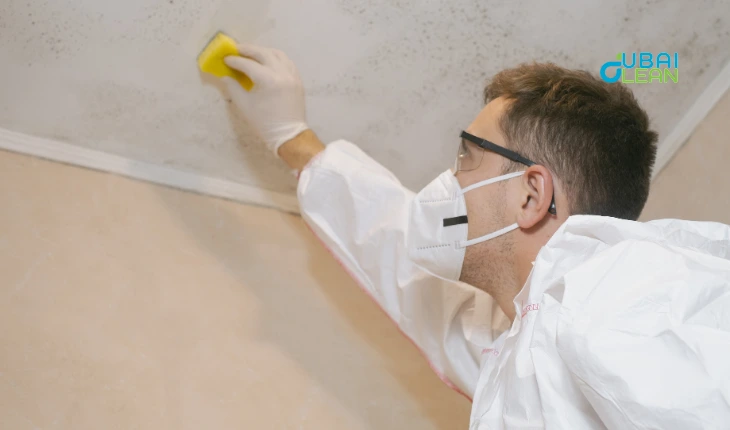
Professional mold cleaning services plays a key role in making your home safer and healthier. Experts carefully identify where mold is growing and remove it in a way that prevents it from spreading to other parts of the house. They use special tools to clean the air and treat affected areas, helping reduce the number of mold spores indoors. This is especially helpful for people who experience mold remediation allergies, as it directly targets the root of the problem.
How Remediation Improves Indoor Air Quality
When mold is removed properly, the air inside your home feels fresher and lighter. Mold spores, which are tiny and often invisible, can stay in the air and trigger allergies even after surface mold is gone. Mold remediation includes deep cleaning and filtering the air to reduce these harmful particles. As a result, you’ll notice less sneezing, coughing, and irritation caused by mold-related allergens.
Before vs After: Health Improvements Post-Remediation
After mold remediation, many people feel a big difference in their health. They often experience fewer allergy symptoms, breathe more comfortably, and enjoy better sleep. Some even find that long-standing issues like headaches and sinus problems improve. These changes are clear signs that the air quality has improved and mold-related allergens have been removed from their environment.
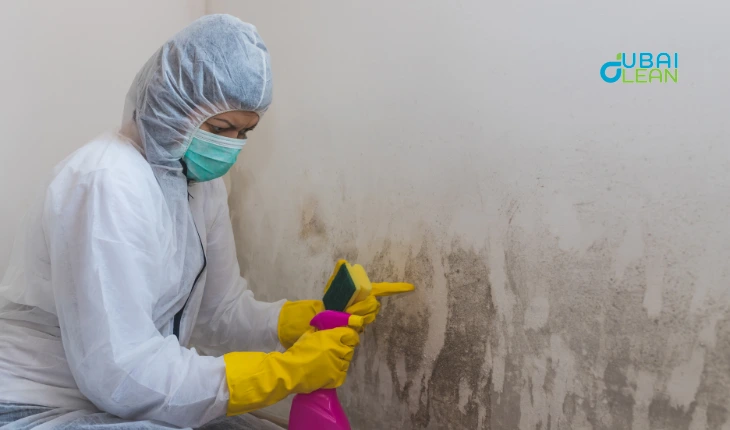
Warning Signs You Need Mold Remediation in Dubai
Musty Odors, Visible Spots, and Recurring Allergy Symptom
If you notice a strong, musty smell that doesn’t go away, or dark spots appearing on your walls, ceilings, or corners of the room, it could be a sign of mold. These changes are often easy to ignore at first but can point to a hidden mold issue. If you or your family members are dealing with constant sneezing, watery eyes, or congestion that seems to get worse indoors, mold could be the cause. These ongoing allergy-like symptoms may mean mold is affecting your indoor air and triggering mold remediation allergies.
Mold in Air Ducts, Bathrooms, and Kitchens
Some of the most common hiding places for mold are spots you don’t often check inside air ducts, behind bathroom tiles, under sinks, and around kitchen cabinets. These areas tend to stay damp, making them perfect for mold to grow quietly without being noticed. Over time, this hidden mold can impact your breathing and overall comfort. If you’re unsure whether there’s mold in these places, it’s a good idea to have a professional take a closer look and help you stay safe at home.
Tips to Prevent Mold and Allergy Flare-Ups at Home
Daily Habits for a Mold-Free Home
- Wipe wet surfaces immediately
- Avoid air-drying laundry indoors
- Fix plumbing leaks quickly
Using Dehumidifiers and Air Purifiers
Humidity plays a big role in mold growth. Using a dehumidifier to keep indoor humidity below 60 percent can make a real difference. If you live in a more humid area or notice moisture building up, a good-quality dehumidifier is worth the investment. Air purifiers can be a great addition, particularly those with HEPA filters. They help capture mold particles and allergens from the air, which can lead to easier breathing and fewer allergy symptoms.
Regular Cleaning and Ventilation Tips
Make it a habit to open your windows for a little while each day, especially after activities that create steam like showering or cooking. This helps fresh air circulate and pushes out trapped moisture. Don’t forget about hidden spots like air vents, tile grout, or under sinks. Keeping these areas clean and dry reduces the chances of mold sneaking in unnoticed. Regular airflow and light cleaning can help maintain a healthier home environment.
Final Thoughts
Living in Dubai means dealing with humidity, and that often brings mold into our homes. But you don’t have to live with it. Taking simple steps like proper cleaning, better airflow, and choosing the right mold removal service can protect your health. Mold remediation not only clears the visible signs but also helps reduce allergy symptoms and improves air quality. If you or your family have been feeling unwell indoors, it’s time to take action and breathe easier every day.
Want to know why regular mold cleaning matters even more than you think? Read this blog to learn how it protects both your health and your home.