


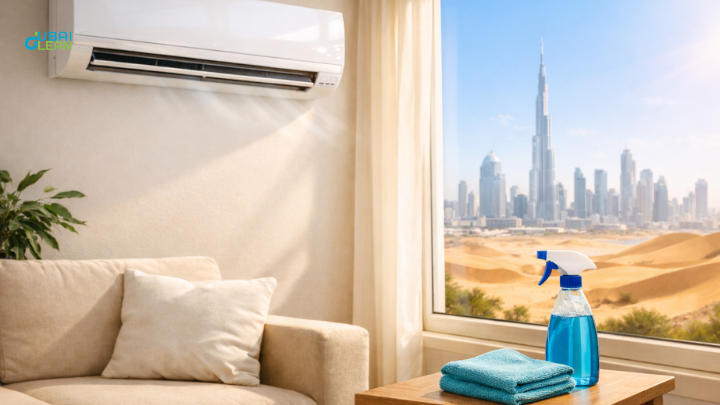
In Dubai’s hot and dusty climate, air conditioners are essential for comfort and health, but proper maintenance is crucial. Using an AC immediately after cleaning can spread mold, bacteria, and allergens, and even pose electrical risks. Experts recommend allowing the unit to dry completely to ensure safe operation and optimal performance. Following these precautions protects your health, indoor air quality, and AC lifespan.
1. Why Waiting After AC Cleaning Matters
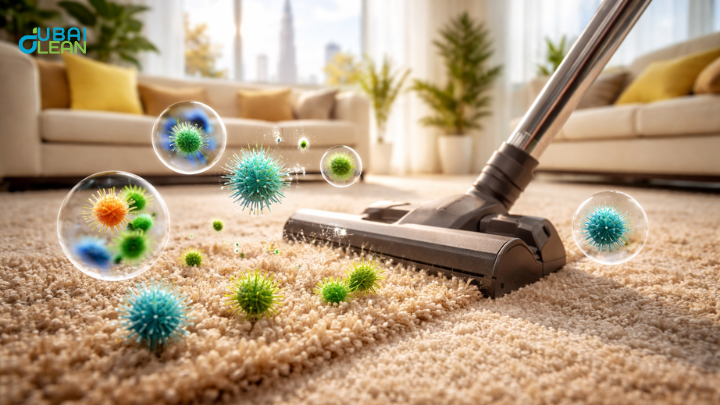
After cleaning an air conditioner, residual moisture often remains in coils and filters, creating a damp environment where mold, bacteria, and allergens can thrive. Turning on the AC too soon can compromise indoor air quality and trigger allergies or respiratory issues. Damp internal parts also pose electrical hazards, especially in Dubai’s hot, humid climate. Experts recommend waiting 1–2 hours for standard cleaning and up to 4 hours for deep cleaning to ensure safe, efficient operation and healthy air circulation.
2. Recommended Waiting Time After AC Cleaning
Knowing how long to wait before turning on your air conditioner after cleaning is essential for both safety and hygiene. While general guidelines exist, the exact waiting time depends on several factors, including the type of AC, cleaning method, and Dubai’s climate conditions. Being aware of these factors helps residents make informed decisions to protect their health and maintain AC efficiency. Following the right waiting times also prevents mold, allergens, and potential damage to the AC, ensuring long-term comfort and safety.
General Rule
For most standard AC cleaning tasks, waiting 1–2 hours is sufficient to allow residual moisture to evaporate. For deep cleaning or chemical-based cleaning, experts recommend waiting 3–4 hours before switching the system back on. This ensures that internal coils, filters, and ducts are completely dry, preventing mold growth, bacteria spread, or electrical hazards.
Factors Influencing Waiting Time
The time you should wait after cleaning your AC depends on several key factors. AC type, cleaning method, and local environmental conditions all affect how quickly internal components dry. Understanding these factors helps ensure safe operation, optimal performance, and healthy indoor air.
Expert Recommendations Table
| AC Type | Cleaning Method | Recommended Wait Time | Dubai Considerations |
| Split AC | Standard dust cleaning | 1–2 hours | High dust exposure, ensure coil dryness |
| Window AC | Water/chemical cleaning | 2–3 hours | Humidity may extend drying time |
| Central AC | Deep cleaning/steam | 3–4 hours | Large ducts retain moisture longer |
| All types | Dry cleaning | 30–60 minutes | Quick drying, low risk |
For central AC systems in Dubai, waiting at least 3 hours is critical, especially during humid summer months. Even a small amount of moisture left in the ducts can cause mold growth or electrical issues.
3. Signs Your AC is Safe to Use After Cleaning
After cleaning your air conditioner, it’s important to confirm that the unit is completely dry and ready for safe operation. Turning it on too soon can compromise air quality, health, and electrical safety. Check that coils and filters are fully dry, vents are clean, and airflow is normal. Paying attention to these signs ensures your AC delivers fresh, healthy air while operating efficiently. Here are the key signs that indicate your AC is safe to use:
No Visible Moisture on Coils or Filters: Check the coils, air filters, and internal components for any residual moisture. Even a small amount of water can encourage mold or bacterial growth, which can spread throughout your home when the AC is turned on.
Dry and Clean Air Vents: Air vents should be completely dry and free from dirt or cleaning residue. In Dubai, where dust and sand are common, ensuring vents are fully dry is especially important to prevent airborne dust or allergens from circulating indoors.
Normal Airflow and Cooling Efficiency: Turn your AC on in fan mode first and monitor the airflow. If the air flows smoothly and cools effectively, it indicates that coils and filters are dry and the system is functioning properly. Any weak airflow or unusual noise may mean parts are still damp or obstructed.
Smell Check – No Chemical or Damp Odor: A fresh, neutral smell is a good indicator that the AC is safe to use. Any damp, musty, or chemical odors suggest residual moisture or cleaning chemicals, which can be harmful if inhaled. In such cases, continue drying the unit before use.
Even if AC components look dry, always check airflow and smell. These simple checks prevent mold inhalation and maintain healthy indoor air quality, especially in humid months in Dubai.
4. Additional Safety Tips After AC Cleaning
Ensuring your air conditioner is safe to use goes beyond just waiting for it to dry. Simple precautions and proper operation can prevent health risks and indoor air pollution. Following practical safety tips can protect your health, extend the life of your AC, and prevent costly repairs. Regular checks and mindful use also help maintain consistent cooling performance and energy efficiency. These steps, combined with following a proper guide on cleaning split air conditioners, also improve cooling efficiency and keep your AC running smoothly in Dubai’s harsh climate.
Run AC on Fan Mode First
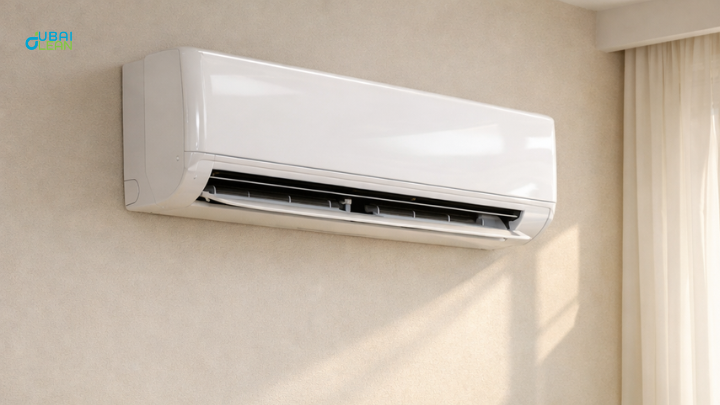
Before switching to full cooling mode, run the AC on fan mode for 10–15 minutes. This helps circulate air without activating the cooling system, ensuring that residual moisture evaporates from coils, filters, and ducts. In Dubai’s humid summer months, this step is particularly important to prevent mold growth inside the unit.
Maintain a Regular Cleaning Schedule
Consistency is key for safe and efficient AC operation. Monthly filter cleaning, quarterly light vent maintenance, and annual professional deep cleaning of coils and ducts help prevent dust buildup and maintain healthy airflow. Regular maintenance not only improves indoor air quality but also reduces energy consumption and prolongs the life of your AC unit.
Use Professional AC Cleaning Services in Dubai
DIY AC cleaning can be risky, as improper handling of chemicals or water can leave residue, cause mold, or damage electrical components. Attempting to clean coils or wiring without training increases the chance of short circuits and costly repairs. Following expert guidelines or hiring professional services ensures safe operation and healthy indoor air.
Avoid DIY Hazards
DIY AC cleaning carries several risks, including chemical residue that can harm health, electrical mishandling causing short circuits or fire, and incomplete drying leading to mold or reduced efficiency. Even small mistakes can result in major problems for your AC.
By incorporating these safety practices, Dubai residents can enjoy healthy indoor air, safe AC operation, and worry-free cooling, even during the city’s extreme summer heat.
5. Health Benefits of Waiting Properly After AC Cleaning
Waiting the recommended amount of time after cleaning your air conditioner is more than just a safety measure; it has direct health and efficiency benefits. In Dubai, where dust, humidity, and high temperatures combine, observing proper waiting times ensures both your wellbeing and your AC’s performance.
Prevents Respiratory Issues
Residual moisture in AC coils and filters can become a breeding ground for mold spores, bacteria, and allergens. Turning on the AC too soon may circulate these harmful particles throughout your home or office. By waiting until the unit is completely dry, you reduce the risk of:
- Asthma attacks
- Allergic reactions
- Respiratory infections
This is especially important in Dubai, where dust storms and high humidity already challenge indoor air quality.
Maintains Indoor Air Quality
Proper drying ensures that the air your AC circulates is clean, fresh, and safe to breathe. Clean air helps create a healthier environment, improves comfort, and supports overall wellbeing for your family, employees, or tenants.
Improves AC Efficiency and Lifespan
Waiting the recommended time after cleaning helps your AC operate at optimal efficiency. It also prevents damage to internal components, extending the unit’s lifespan and reducing repair costs.Using an AC before it’s fully dry can strain the system, cause corrosion, or reduce cooling efficiency. Waiting properly helps:
- Prevent energy wastage caused by moisture-laden coils
- Reduce frequent breakdowns or repairs
- Extend the lifespan of filters, coils, and ductwork
Waiting the recommended time after cleaning is a simple step with big health benefits. It prevents mold, protects indoor air quality, and ensures your AC runs efficiently for years, even in Dubai’s harsh climate.”
Local Insights for Dubai Residents
Dubai’s hot, dusty, and humid climate makes AC maintenance especially important. Local conditions like frequent dust storms and high summer humidity affect drying times after cleaning. Understanding these factors helps residents ensure safe, efficient, and healthy AC operation in their homes and offices.
- High dust and sand exposure in Dubai makes AC cleaning frequent
- Mention Dubai summer peak months and their impact on AC drying time
- Advice on choosing certified local AC cleaning services for safety
Conclusion
Waiting the recommended time after cleaning your AC is essential for safe use, health, and efficiency, especially in Dubai’s hot, dusty, and humid climate. Following expert guidelines ensures the unit is fully dry, preventing mold, allergens, electrical hazards, and improving indoor air quality. This simple step protects your health, extends your AC’s lifespan, and enhances efficiency, saving energy and repair costs in the long run.