



Grout may seem like a minor part of your flooring or wall tiles, but it plays a vital role in both the strength and appearance of your space. It seals gaps, prevents moisture damage, and enhances the overall finish of your tiles. Over time, even the most durable grout begins to show signs of aging, such as cracks, fading, or discoloration. Understanding how long grout should last helps you take the right steps to maintain your home’s beauty and cleanliness.
On average, grout can last between 10 to 20 years, depending on its type, how well it was installed, and the level of care it receives. Factors like humidity, heavy foot traffic, and cleaning products can all influence its longevity. With proper maintenance including regular cleaning and sealing you can extend its lifespan significantly. Let’s explore what affects grout durability and how to keep it looking new for years.
1. Understanding What Grout Really Does
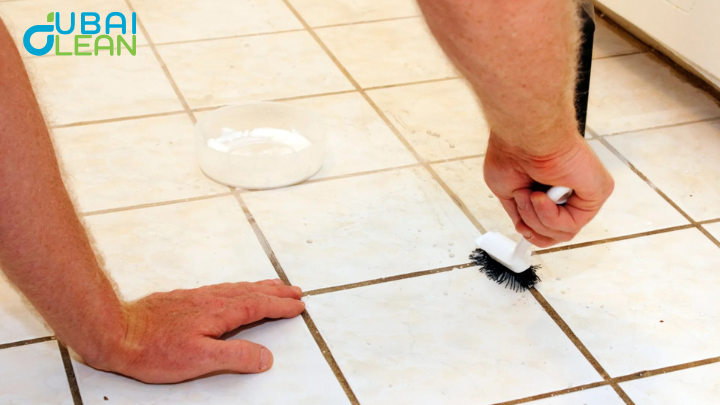
Grout isn’t just filler between tiles, it’s a vital structural and decorative element that holds everything together. It seals joints, prevents moisture from seeping in, and keeps your surfaces looking clean and elegant. Without proper care, grout can trap dirt and water, leading to stains and long-term damage. That’s why professional grout cleaning services in Dubai are essential: they restore your grout’s shine, strengthen tile bonding, and keep your floors and walls looking flawless for years.
The Functional Purpose of Grout
Grout holds tiles firmly in place and evenly distributes weight or pressure. It prevents cracking or movement caused by daily wear and temperature changes. By sealing the gaps between tiles, it blocks moisture and dirt from seeping underneath. Grout also enhances the overall appearance of tiled surfaces by providing clean, uniform lines. Strong, well-applied grout keeps your tiled areas durable, stable, and long-lasting.
The Aesthetic Role of Grout
Beyond functionality, grout enhances your room’s overall design. The right shade can make tiles stand out or blend seamlessly into your décor. It adds the perfect finishing touch to elevate any interior style.
2. How Long Should Grout Last in Different Areas?
Grout lifespan depends heavily on where it’s installed and the level of exposure it faces daily. Spaces with more moisture or frequent foot traffic tend to wear faster than low-use areas. With regular maintenance, grout can stay in top condition for many years. Let’s explore how long it typically lasts in different parts of your home.
Bathroom and Shower Grout
Bathrooms are constantly exposed to humidity, water splashes, and strong cleaning agents, all of which can gradually wear down grout. Over time, these conditions lead to erosion, discoloration, and mold or mildew buildup. Regular cleaning, proper ventilation, and periodic sealing can greatly slow this process. With consistent care, bathroom grout typically lasts around 8–10 years before needing replacement.
Kitchen and Floor Grout
Kitchens deal with spills, grease, and frequent cleaning, which weaken grout over time. Regular sealing can extend its lifespan up to 15 years. Consistent cleaning helps maintain both hygiene and appearance.
Wall and Decorative Tile Grout
Since wall tiles are rarely exposed to heavy wear, impact, or constant moisture, their grout tends to last significantly longer than floor grout. With minimal maintenance, it can remain strong and intact for 15–20 years or even more. Occasional dusting and gentle cleaning are usually sufficient to keep it looking fresh. Regular inspection helps catch any small cracks early, ensuring long-lasting protection and appearance.
3. Factors That Affect Grout Lifespan
No matter how durable your grout is, several factors determine how long it will truly last. Quality of installation, type of material, and exposure conditions all play a major role. Understanding these factors helps you take preventive steps early. Proper care ensures your grout remains strong, clean, and attractive for years.
Quality of Installation
Poorly mixed or unevenly applied grout tends to crack or crumble within a few years. Hiring skilled installers guarantees better bonding and longer durability. Quality work at the start prevents frequent repairs later.
Type of Grout Used
Different types of grout perform uniquely under various conditions and levels of stress. Epoxy grout, for instance, provides superior resistance to stains, moisture, and chemicals compared to traditional cement-based grout. It’s ideal for high-moisture areas like bathrooms and kitchens. Selecting the right grout type for your specific space and usage ensures better durability, easier maintenance, and longer-lasting tiled surfaces.
Exposure to Moisture and Traffic
High humidity and heavy foot traffic can cause grout to wear down more quickly, especially in areas like bathrooms, kitchens, and hallways. Moisture and constant use gradually weaken the grout, leading to cracks and discoloration. Regular sealing provides a protective barrier against water, dirt, and stains. Keeping these areas clean and dry helps extend the grout’s lifespan and maintain a fresh, polished look.
4. Signs Your Grout Needs Repair or Replacement
Even the best-maintained grout will eventually show signs of aging. Identifying problems early prevents major tile damage and costly replacements. Cracks, stains, and loose tiles are all indicators of grout failure. Taking action at the first sign of wear helps keep your flooring and walls in excellent condition.
Cracking or Chipping
Hairline cracks in grout may seem minor, but they can quickly spread and allow water to seep beneath the tiles. This moisture weakens the adhesive layer and compromises the tile’s foundation. Over time, the tiles may loosen, lift, or even crack. Repairing these small issues early helps prevent structural damage and extends the life of your tiled surfaces.
Discoloration or Staining
If your grout looks dark, moldy, or uneven despite cleaning, the sealant may have worn off. Regrouting or deep cleaning restores its fresh look. It also keeps your home healthier and cleaner.
Loose or Hollow Tiles
When tiles start wobbling or sound hollow when tapped, it’s often a sign of weakened or damaged grout. Over time, loose grout loses its ability to hold tiles securely in place, leading to instability and potential cracking. Addressing the issue early through timely regrouting restores the bond and prevents further damage. This simple maintenance step can save you from the cost and hassle of a full tile replacement.
5. How to Extend the Life of Your Grout
Grout maintenance doesn’t have to be complicated small efforts go a long way. Regular cleaning, sealing, and professional care can extend its lifespan significantly. Keeping grout protected from moisture and dirt ensures it looks new for years. A consistent care routine helps you save time, effort, and money in the long run.
Seal Your Grout Regularly
Applying a good-quality sealer every 6–12 months helps protect grout by repelling moisture and preventing stains. This step is especially important in high-traffic or moisture-prone areas like bathrooms, kitchens, and entryways. Regular sealing prevents grime buildup and reduces the risk of mold growth. Properly sealed grout stays cleaner, stronger, and more durable for years to come.
Clean Gently but Consistently
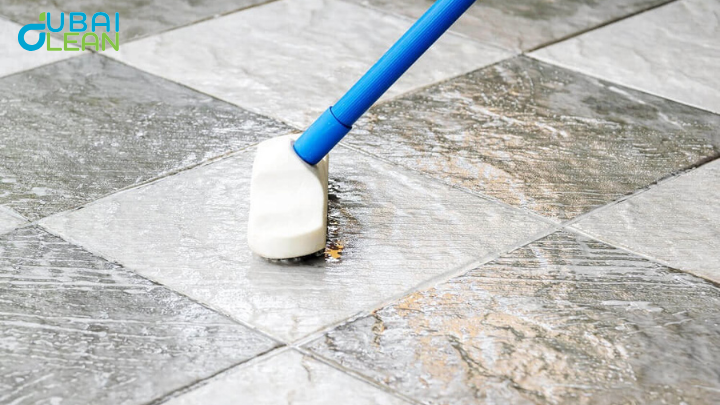
Use mild cleaning agents or natural mixtures like vinegar and water to maintain your grout. Avoid harsh or abrasive chemicals that can erode the grout and cause discoloration over time. Regular gentle cleaning helps preserve its strength and appearance. Consistent care keeps your tiled surfaces bright, hygienic, and long-lasting.
Hire Professional Grout Cleaning Services
Professional cleaning restores the grout’s original color and texture without damage. Experts use advanced methods to deep clean and reseal effectively. In Dubai, specialized grout services keep your tiles spotless year-round.
6. When to Replace Your Grout Completely
Sometimes, cleaning and sealing aren’t enough especially when grout is too old or severely damaged. Full regrouting restores both durability and aesthetics. It’s a smart investment that protects your tiles and enhances your home’s appearance. Knowing when to replace grout ensures long-term safety and beauty.
When Repairs Aren’t Enough
If a large portion of your grout is missing or crumbling, regrouting is the best solution. It provides a new, uniform look and strengthens tile adhesion. Replacement ensures lasting results.
Benefits of Regrouting
Regrouting improves hygiene, prevents leaks, and refreshes your interiors. It’s a cost-effective alternative to a full tile replacement, saving both time and money. By filling in worn or damaged grout lines, it helps maintain a clean and watertight surface. A new layer of grout instantly revitalizes your floors and walls, giving them a fresh, polished look.
Final Thoughts
So, how long should grout clean? With proper installation and regular upkeep, grout can last anywhere between 10 to 20 years or even longer in ideal conditions. However, its lifespan greatly depends on factors like humidity, foot traffic, and cleaning frequency. Areas such as bathrooms and kitchens, which face constant moisture, often require more attention to maintain the grout’s strength and appearance.
To keep your tiled surfaces in excellent condition, make cleaning and resealing a regular habit. Address minor cracks and discoloration early before they turn into bigger problems. If your grout appears dull, brittle, or stained beyond recovery, professional grout restoration or regrouting services can bring it back to life. A little maintenance today can go a long way in preserving the beauty and durability of your floors and walls.