


Dubai’s hot and humid climate creates ideal conditions for mold and condensation, especially in kitchens where moisture is constantly present. Daily cooking produces steam, while limited ventilation in many apartments and villas allows humidity to build up behind cabinets, under sinks, and near ceilings. Air conditioning airflow around kitchen units can further increase condensation when warm air meets cool surfaces. Over time, this trapped moisture encourages mold growth that often goes unnoticed until odors or visible patches appear. In Dubai homes, mold is not just a cleaning concern it directly affects indoor air quality and may contribute to respiratory discomfort, making early awareness and proper kitchen care essential.
1. Why Kitchens Are High-Risk Areas for Mold Growth
Kitchens in Dubai are particularly prone to mold because hidden moisture often accumulates behind cabinets, under sinks, and around appliances. False ceilings and tight storage areas trap humidity, creating the perfect environment for mold spores to grow. Temperature differences between air-conditioned rooms and warmer surfaces lead to condensation in the kitchen, worsening dampness. Homeowners facing recurring issues must understand that these hidden moisture spots are the root cause of persistent mold.
Organic residue such as food particles, grease, and spills further feeds mold growth in Dubai kitchens. Even regular kitchen deep cleaning in dubai may not reach these hard-to-access areas, allowing spores to thrive. Condensation in kitchen corners and behind cabinets combined with Dubai’s high humidity issues contributes to ongoing mold problems. Recognizing these patterns helps homeowners prevent health risks and maintain a cleaner, safer indoor environment.
2. Common Signs of Mold & Condensation in Dubai Kitchens
Identifying early signs of mold and condensation in your Dubai kitchen can help prevent health risks and property damage. Homeowners should regularly inspect common problem areas and be alert to subtle changes that indicate hidden moisture or mold growth:
Black or green spots on walls and ceilings – Black or green spots on walls and ceilings indicate mold growth, often found in corners or behind cabinets. These spots thrive in damp, humid conditions, common in Dubai’s climate. Mold can damage surfaces and pose health risks, making prompt removal and regular maintenance crucial for a safe, healthy home.
Musty or damp odors near cabinets – A musty or damp smell near cabinets is a common sign of mold growth, especially in areas with poor ventilation. These odors indicate excess moisture, which can lead to mold damage on surfaces and impact indoor air quality.
Peeling paint or bubbling surfaces – Peeling paint or bubbling surfaces often signal moisture buildup behind the walls, commonly caused by mold growth. This issue occurs when water seeps into surfaces, creating a breeding ground for mold and mildew. Promptly addressing the moisture source can prevent further damage and maintain a healthy, dry living space.
Persistent condensation on windows and tiles – Persistent condensation on windows and tiles is a sign of excess moisture in the air, creating an ideal environment for mold growth. This buildup can lead to damage on surfaces and affect indoor air quality. Regular ventilation and moisture control are essential to prevent mold formation and maintain a healthy home.
3. Health Risks Linked to Kitchen Mold Exposure
Mold spores in kitchens can affect indoor air quality and may contribute to respiratory discomfort in Dubai homes. Frequent cooking, high humidity, and poor ventilation allow spores to circulate through the air, increasing the likelihood of exposure. While mold presence does not always cause illness, prolonged or repeated contact can affect sensitive individuals, making it important to address condensation and hidden moisture early.
Potential effects of kitchen mold exposure may include allergies, respiratory irritation, and asthma symptom triggers. Kitchens can amplify exposure because air circulation from AC systems and exhaust fans spreads spores throughout living spaces. Homeowners should treat this information as educational guidance rather than medical advice, understanding that professional intervention may reduce risks and support healthier indoor air quality.
4. Why Regular Cleaning Is Not Enough in Dubai
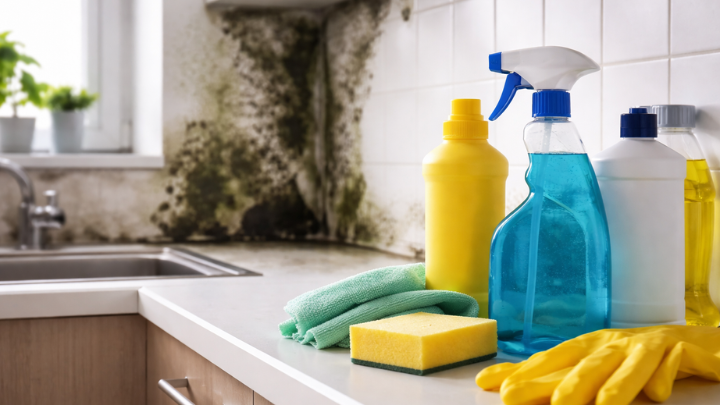
Many homeowners in Dubai believe that wiping down surfaces is enough to prevent mold, but surface cleaning often misses the root causes. Embedded mold behind walls, cabinets, and appliances can continue to grow if moisture persists. Even after basic cleaning, mold frequently returns because common household methods cannot fully address hidden contamination or the region’s high humidity. Key reasons include:
Moisture trapped behind surfaces – Moisture trapped behind surfaces like walls, tiles, or cabinets can lead to hidden mold growth. This often goes unnoticed but can cause significant damage over time. The damp conditions promote mold and mildew, which can spread and affect both your home’s structure and air quality.
Incomplete removal of spores – Incomplete removal of mold spores can lead to recurring mold problems. Even after visible mold is cleaned, spores left behind can continue to spread and trigger new growth, particularly in damp areas. Proper cleaning techniques and professional mold removal services are essential to fully eradicate mold and prevent future contamination.
Limitations of household cleaners in humid climates – Household cleaners may not effectively combat mold and mildew in humid climates like Dubai’s. High humidity levels can cause mold to grow back quickly, as typical cleaners may only remove surface dirt but not the underlying spores. Specialized mold-killing products or professional cleaning services are necessary to tackle mold at its source and prevent recurrence in such environments.
5. What Makes Kitchen Deep Cleaning Different
Professional kitchen deep cleaning in Dubai goes beyond surface wiping to address areas where mold and condensation thrive. Kitchens have multiple moisture-prone zones and hidden grease or food residue that can feed mold growth, while poor airflow around cabinets and appliances can worsen dampness. Deep cleaning targets these underlying issues using methods that regular cleaning often misses.
Key aspects of effective kitchen deep cleaning include:
- Moisture-prone zones – Behind sinks, cabinets, and appliances where water often accumulates.
- Grease and residue buildup – Cooking residues that promote mold growth if not thoroughly removed.
- Airflow-impacting areas – Spaces where stagnant air encourages condensation.
Conclusion:
Maintaining a healthy kitchen in Dubai requires more than routine surface cleaning. Professional kitchen deep cleaning targets hidden moisture, grease, and condensation-prone areas that contribute to mold growth, helping reduce health risks such as allergies, respiratory irritation, and asthma triggers. By addressing the root causes of mold, homeowners can improve indoor air quality and create a safer environment for their families.
Proactive kitchen care is an essential part of protecting both your family and your property. In Dubai’s humid climate, investing in deep cleaning is not just about aesthetics it’s about long-term health, safety, and property preservation. Regular, professional cleaning ensures that your kitchen remains mold-free, providing peace of mind and supporting a healthier home environment for everyone.