


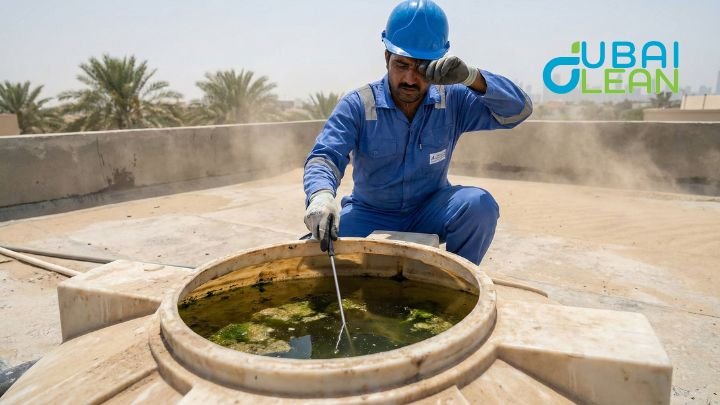
Dubai’s extreme climate, with scorching summers and frequent dust storms, creates unique challenges for water storage in residential and commercial properties. Water tanks, if not properly maintained, become breeding grounds for bacteria, putting families and employees at risk. Understanding how heat and dust accelerate bacterial growth is essential for property owners, facility managers, and small business operators. This article explores the causes, warning signs, prevention methods, and the importance of professional cleaning to ensure safe water in Dubai.
1. Why Dubai’s Climate Increases Water Tank Bacteria Risks
Dubai’s hot climate and frequent dust storms make water tanks especially vulnerable to bacterial growth. High temperatures create ideal conditions for harmful bacteria to multiply quickly in stagnant water. At the same time, dust and sand can enter tanks through vents or uncovered openings, carrying microbes that settle inside. Over time, this combination of heat and dust increases the risk of water contamination. Regular maintenance and proper cleaning are essential to keep water safe for daily use.
Extreme Heat and Its Effect on Water Quality
Dubai gets extremely hot, especially during the summer, with temperatures often above 40°C. This heat makes water tanks a perfect place for bacteria to grow quickly. Warm water encourages bacteria like E. coli and Legionella to multiply, which can be dangerous for anyone using the water. If tanks are not cleaned regularly, this bacterial growth can become a serious health risk.
Dust and Sand as Sources of Microbial Contamination
Dubai’s dusty environment also affects water tanks. Sand and dust can enter tanks through vents, weak seals, or uncovered openings. These particles often carry bacteria and algae, which settle in the tank. Over time, they can form a layer called biofilm, making the water dirty and unsafe to use, even if it looks clear.
2. How Heat Accelerates Bacterial Growth in Water Tanks
Warm water creates ideal conditions for bacteria to multiply rapidly inside tanks. Harmful microbes like E. coli and Legionella thrive in higher temperatures, increasing the risk of contamination. Tanks that are left stagnant or not cleaned regularly allow these bacteria to grow unchecked. Over time, this can make water unsafe for daily use, affecting health and hygiene. Regular monitoring, cleaning, and proper maintenance are essential to keep the water safe and fresh.
Types of Bacteria That Thrive in Warm Water
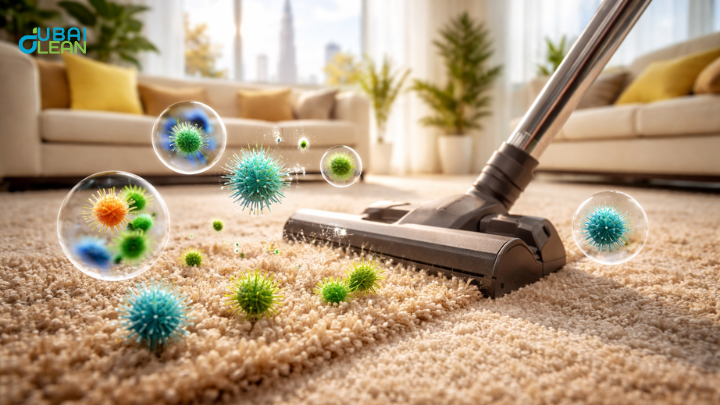
Warm water creates an ideal environment for certain bacteria to multiply quickly. Common microbes found in water tanks include E. coli, Legionella, and Pseudomonas, all of which can cause health issues if consumed or used. These bacteria reproduce faster in heated conditions, making it important to monitor water quality regularly.
Seasonal Variations and Risk Factors
Bacterial growth in water tanks increases during hotter months when water temperatures rise. Long periods of stagnant water, combined with limited cleaning, make contamination more likely. Properties with large tanks or infrequent water turnover are especially at risk, highlighting the importance of routine maintenance throughout the year.
3. Dust and Debris: Hidden Sources of Contamination
Dust, sand, and small debris can enter water tanks through vents, cracks, or uncovered openings, carrying bacteria and algae that settle inside. Over time, these particles accumulate and form biofilms on the tank walls, which protect bacteria from cleaning and disinfectants. This makes the water unsafe for daily use and increases the risk of health issues. Regular cleaning, proper sealing, and using covers are essential to prevent contamination and maintain safe, clean water.
How Dust Enters Water Tanks
Dust, sand, and other debris can enter water tanks through vents, cracks, or uncovered openings. These particles often carry bacteria, algae, and other microorganisms that settle on tank surfaces and begin to multiply. Even small amounts of dust can contribute to significant contamination over time, especially in tanks that are not regularly cleaned or monitored.
Long-Term Effects of Neglecting Dust Prevention
Over time, accumulated dust and debris form biofilms that protect bacteria from simple cleaning methods. This leads to contaminated water that is unsafe for daily use and increases the risk of health issues. Proper sealing and regular cleaning are essential to maintain water quality.
4. Recognizing Contaminated Water in Your Tank
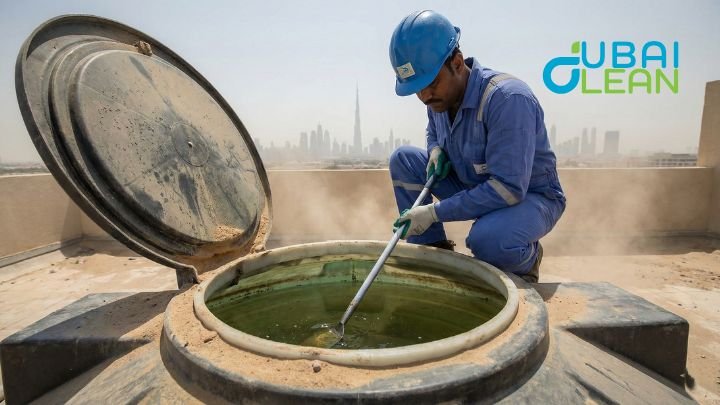
Contaminated water often shows clear warning signs that should not be ignored. You may notice unusual odors, strange taste, cloudy or discolored water, or sediment and floating particles. These signs indicate the presence of bacteria, algae, or other harmful microorganisms. Ignoring these symptoms can lead to health risks and further contamination. Regular inspection and prompt action, including cleaning or professional treatment, help ensure water remains safe for daily use.
Signs of Contamination
Contaminated water often shows clear warning signs, such as unusual odors, strange taste, or cloudiness. You may also notice discoloration, sediment, or floating particles in the tank. Paying attention to these early signs helps prevent serious health risks before bacteria levels increase.
When Contamination Becomes a Serious Health Hazard
If contamination persists, it can lead to waterborne illnesses like gastrointestinal infections, skin irritation, or respiratory issues. Children, elderly family members, and immunocompromised individuals are especially vulnerable, making regular monitoring and timely cleaning essential for safety.
5. Preventing Bacteria Growth in Water Tanks
Preventing bacteria in water tanks starts with proper sealing and using tight covers to keep dust, debris, and insects out. Installing filters and ensuring proper ventilation reduces sediment buildup and keeps water circulating, which slows microbial growth. Regular monitoring and water testing help detect contamination early before it becomes a health risk. Combining these preventive measures with routine cleaning ensures safe and clean water for daily use.
Sealing Tanks and Using Covers
Properly sealing water tanks and using tight-fitting covers prevents dust, debris, and insects from entering. This simple step reduces the risk of bacteria and algae growth and keeps the water cleaner for longer periods. Regularly checking the seals ensures they remain effective and intact.
Installing Filters and Ventilation Systems
Filters help remove sediment and impurities before water enters the tank, while proper ventilation prevents stagnation and reduces microbial growth. Combining filters with well-designed vents maintains better water quality and minimizes contamination risks.
Monitoring and Water Testing
Regular monitoring and water testing allow early detection of bacteria or other contaminants. Property owners should test water at least twice a year and after extreme weather conditions to ensure it remains safe for consumption. Early action prevents serious contamination and health risks.
6. Consequences of Neglecting Water Tank Maintenance
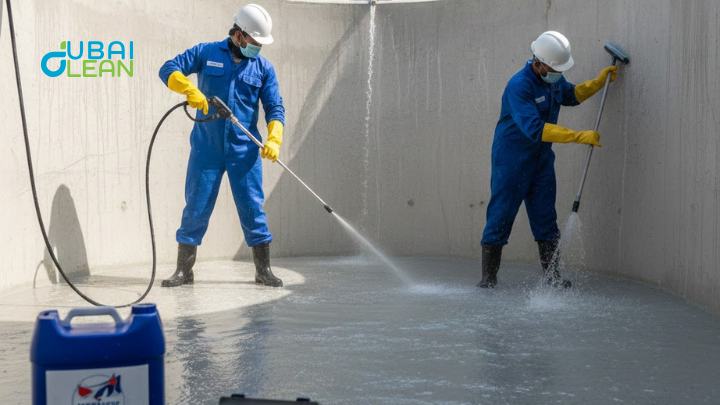
Neglecting regular water tank maintenance can lead to rapid bacterial growth, making water unsafe for daily use. Sediment and biofilm buildup can clog pipes, damage pumps, and increase repair costs over time. Contaminated water also raises the risk of waterborne illnesses, including gastrointestinal infections and skin irritations. Young children, older adults, and people with weakened immune systems are especially at risk. Regular cleaning and proper maintenance are essential to protect both health and plumbing systems.
Accelerated Bacteria Growth
When water tanks are not cleaned regularly, bacteria multiply quickly in stagnant water. Over time, this growth can reach dangerous levels, making the water unsafe for drinking, cooking, or cleaning. Warm temperatures and accumulated debris further accelerate bacterial reproduction. Without proper maintenance.
Plumbing Damage and Increased Repair Costs
Sediment, debris, and biofilm buildup inside water tanks can clog pipes, damage pumps, and reduce the efficiency of plumbing systems. Ignoring maintenance may lead to leaks, corrosion, and costly repairs or replacements. Over time, these issues can strain the entire water distribution system, resulting in higher energy and maintenance costs.
Health Hazards and Waterborne Illnesses
Contaminated water increases the risk of gastrointestinal infections, skin irritations, and even respiratory problems when bacteria spread through daily use. Children, elderly family members, and immunocompromised individuals are especially vulnerable, as their bodies are less able to fight off harmful microbes. Long-term exposure can worsen existing health conditions and lead to repeated illnesses if the water tank is not properly cleaned and maintained.
Conclusion
High temperatures and dust create ideal conditions for bacteria to grow in water tanks, putting both health and plumbing systems at risk. Taking proactive steps, such as sealing tanks, using filters, routine monitoring, and professional cleaning ensures water remains safe and clean. Regular maintenance prevents the buildup of sediment and biofilm, extends the lifespan of plumbing systems, and reduces costly repairs. It also safeguards the health of children, elderly family members, and anyone with a weakened immune system. Proper care of water tanks is essential for every property to provide reliable, hygienic water year-round.