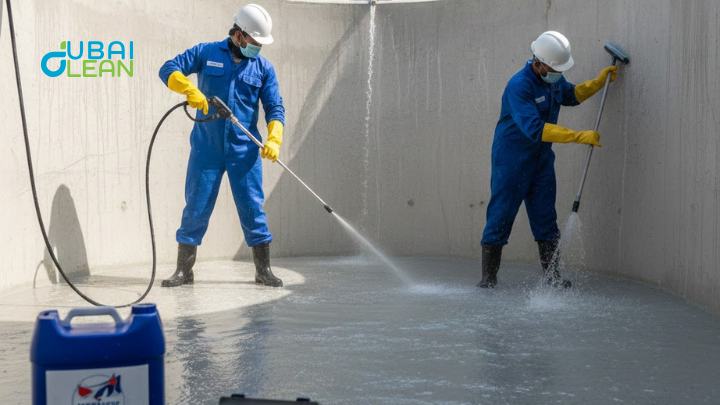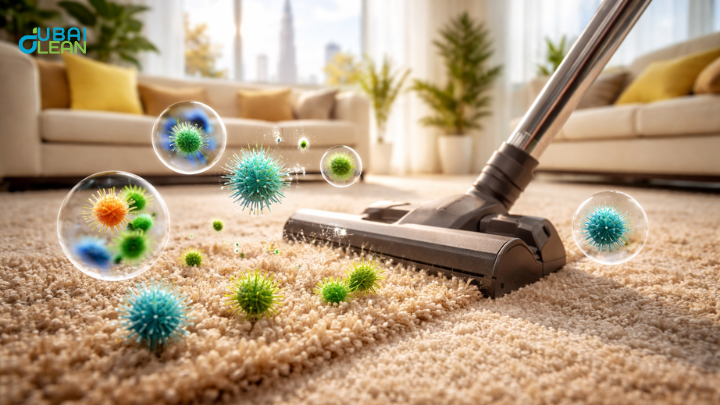



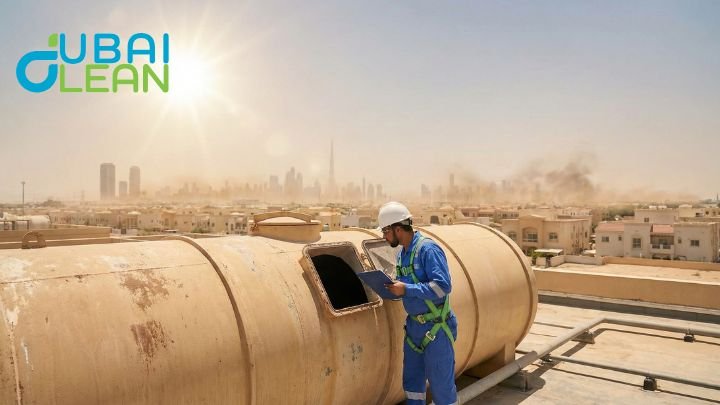
Maintaining water tank hygiene is crucial for Dubai homes, villas, and buildings, yet often overlooked. With families relying on stored water daily for drinking, cooking, and cleaning, neglected tanks can quickly harbor bacteria, algae, sediment, and harmful microorganisms. Dubai’s extreme heat, high humidity, and constant sunlight accelerate contamination, creating a breeding ground for germs, mold, and fungi. Regular cleaning and proper maintenance are essential to keep water safe and healthy.
1. Why Dubai’s Climate Makes Water Tanks More Vulnerable
Dubai’s weather plays a major role in how quickly water tanks become contaminated. The combination of intense heat, high humidity, and constant exposure to sunlight creates an environment where bacteria and microorganisms can multiply much faster than in cooler climates. Even well-sealed tanks are not completely protected, as temperature changes inside the tank can trigger condensation, moisture buildup, and microbial growth. Over time, this makes Dubai water tanks more sensitive to contamination compared to tanks in milder regions.
High Temperatures Increase Bacterial Growth
During Dubai’s peak summer months, water inside tanks can reach temperatures close to 35–45°C. This warm environment is ideal for rapid bacterial multiplication. Microorganisms like E. coli, Legionella, and other harmful bacteria thrive in heated, stagnant water. The hotter the temperature, the faster they reproduce, sometimes doubling every 20 minutes. This means a water tank that seems clean at the start of summer can become heavily contaminated within weeks if not properly maintained or cleaned.
How Humidity Adds to Contamination Risks
Dubai’s humidity, especially in coastal areas like JLT, Marina, and Palm Jumeirah, significantly increases the risk of contamination. Moisture trapped inside the tank encourages the growth of algae, mold, and fungi, creating slimy layers on the tank walls. This biofilm traps dirt and microorganisms, making the contamination even worse over time. Humidity also causes condensation inside the tank lid, providing an extra source of water for mold and algae to spread faster than usual.
2. Common Contaminants Found in Dubai Water Tanks
Water tanks in Dubai face several contamination threats due to the city’s hot climate, dusty environment, and high humidity. Even if the tank is sealed, airborne sand, microorganisms, and moisture can still find their way in. Over time, these contaminants settle on the tank floor, stick to the walls, or mix with stored water, making the tank unsafe for everyday use. Understanding what enters the tank helps homeowners take proactive steps to keep the water clean.
Bacteria and Germs from Heat Exposure
Warm water inside Dubai tanks creates the perfect breeding ground for harmful bacteria. Common microorganisms found in poorly maintained tanks include E. coli, Legionella, Pseudomonas, and other pathogens that thrive in temperatures above 30°C. These bacteria multiply quickly, especially during the summer when tank water becomes almost as warm as the outdoor temperature. If not cleaned regularly, this bacterial growth leads to unpleasant smells, unsafe water, and potential health risks for families.
Algae, Slime, and Sediment Build-up
Algae and slime form easily inside tanks exposed to Dubai’s heat and occasional sunlight. When even a small amount of light enters through cracks or semi-transparent tank lids, algae begin to grow rapidly. Combined with warm water and humidity, this results in thick green or brown slime sticking to the tank walls. Dubai’s sandy environment also contributes to contamination tiny dust particles settle inside tanks, creating sediment that mixes with algae layers. Over time, this build-up affects water clarity, odor, and safety.
Rust, Corrosion & Tank Material Degradation
Different tank materials react differently to Dubai’s harsh climate. Steel tanks are especially vulnerable to rust and corrosion when exposed to heat and moisture, which can contaminate the water with metallic particles. GRP (Glass Reinforced Plastic) tanks can develop surface cracks or internal algae stains if not properly maintained. Plastic tanks, while cheaper, can weaken under long-term heat exposure, causing warping or micro-cracks that let bacteria and dust enter the tank.
3. How Heat Speeds Up the Contamination Timeline
Dubai’s extreme heat doesn’t just increase the risk of contamination it accelerates the entire process. What normally takes months in cooler countries can happen within a few weeks in Dubai. High temperatures change the behavior of water inside the tank, encourage moisture buildup, and even affect how often people use water throughout the day. All these factors work together to create the ideal environment for bacteria, algae, and fungus to grow rapidly.
Faster Evaporation and Condensation Cycle
Inside a water tank, heat causes water to evaporate and then cool along the tank lid or walls, turning into tiny droplets. This condensation creates constant moisture, which becomes a breeding ground for bacteria, mold, and algae. Even if the tank is sealed, the repeated cycle of evaporation and condensation adds humidity inside the tank exactly what microorganisms need to survive. Over time, this moist layer mixes with dust and germs, creating slime and biofilm that sticks to the tank’s interior.
Warm Water Becomes a Perfect Habitat for Microorganisms
Stagnant warm water is one of the most dangerous environments for microbial growth. When temperatures rise above 30–35°C, bacteria multiply at double or triple their normal rate. In Dubai’s summer, tank water can reach 40°C, turning it into an ideal habitat for algae, mold, and harmful bacteria like E. coli or Legionella. Without regular cleaning, these microorganisms spread quickly, affecting the smell, taste, and safety of the water your family uses daily.
Summer Water Usage Patterns in Dubai
During Dubai’s hottest months, many residents travel, stay indoors longer, or adjust their water usage patterns. This reduced consumption means less water circulation inside the tank, causing water to sit still for longer periods. Stagnant water combined with high temperatures speeds up contamination significantly. Tanks in villas, penthouses, and low-occupancy buildings are especially vulnerable because water may remain unused for several days, allowing bacteria and algae to multiply freely.
4. Health Risks Linked to Contaminated Water Tanks
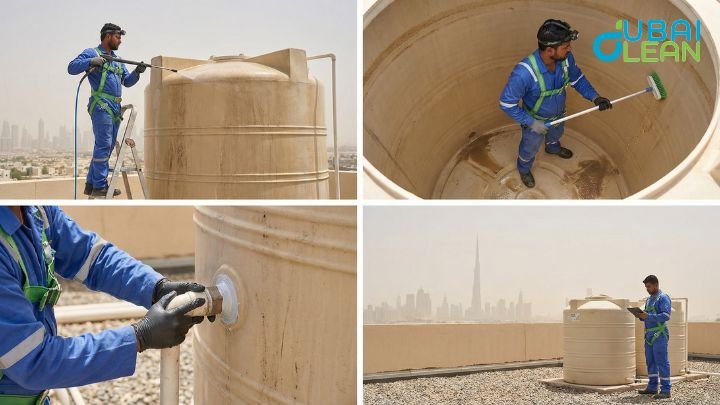
Contaminated water tanks can quietly affect the health of families without any obvious signs at first. Because stored water is used for daily activities like bathing, cooking, brushing teeth, and cleaning, any bacteria or mold inside the tank can enter the body in multiple ways. Dubai’s hot climate speeds up contamination, making the health risks even more serious. Understanding these dangers helps homeowners realize why regular water tank cleaning is essential, not optional.
Skin Allergies and Rashes
When tank water contains bacteria, algae, or chemical residues from rust and corrosion, it can irritate the skin. Many people experience itching, redness, rashes, or dryness after showering with contaminated water. Children and those with sensitive skin are most at risk. In Dubai’s heat, where residents shower more frequently, prolonged exposure to unsafe water can worsen these allergies quickly.
Gastrointestinal Issues
If contaminated water is used for washing food, brushing teeth, cooking, or accidental ingestion, it can lead to stomach-related problems. Harmful bacteria like E. coli, Pseudomonas, and other pathogens can cause diarrhea, nausea, vomiting, abdominal cramps, and long-term digestive discomfort. These risks increase during summer because bacteria multiply faster, making the water more dangerous if the tank hasn’t been cleaned in months.
Respiratory Problems from Mold and Fungal Growth
When humidity and heat encourage mold or fungal growth inside tanks, tiny spores can mix with water droplets and enter the air during showers. Breathing in these spores may trigger respiratory issues such as coughing, wheezing, throat irritation, or even asthma flare ups. Families with children, elderly people, or anyone with weak immunity are especially vulnerable. These problems become worse when tanks remain uncleaned for long periods during Dubai’s humid months.
5. Warning Signs Your Water Tank Is Contaminated
Recognizing early warning signs of contamination can save homeowners from serious health risks, unexpected plumbing problems, and costly repairs. Even if a tank looks clean from the outside, harmful bacteria, algae, and sediment may already be present in the water, making it unsafe for everyday use. Regular inspections and awareness of these signs are especially important for Dubai residents, where high temperatures, humidity, and dust accelerate tank contamination. Catching problems early ensures safer water for drinking, cooking, bathing, and cleaning, and prevents long-term damage to the tank and connected plumbing systems.
Visible Green or Brown Slime
Algae and sediment buildup can appear as green, brown, or even black layers on the tank walls or floating in water. This slimy layer not only looks unpleasant but also harbors harmful microorganisms. Regular visual inspections of the tank interior can help catch contamination before it affects water quality significantly.
Water Pressure Drops or Discoloration
If water comes out weaker than usual or shows yellow, brown, or cloudy discoloration, it may indicate rust, sediment, or microbial buildup inside the tank. These signs often suggest long-term neglect and require professional cleaning to restore water safety and proper flow.
Family Members Falling Sick Frequently
Frequent stomach issues, skin rashes, or respiratory problems among household members can be traced back to contaminated tank water. If multiple family members experience similar symptoms, it’s a strong indicator that the water supply may be unsafe and that immediate action is needed.
6. Danger of Ignoring Tank Cleaning in Dubai’s Heat
Neglecting water tank maintenance in Dubai’s extreme heat can lead to serious consequences for both health and property. Warm, stagnant water becomes a breeding ground for bacteria, algae, and fungi, which can trigger a range of illnesses, including gastrointestinal problems, skin infections, and respiratory issues. Over time, these microorganisms multiply rapidly, increasing the risk of bacterial outbreaks that can affect entire households. In addition to health concerns, ignoring tank cleaning can damage the tank itself. Sediment, rust, and biofilm buildup reduce water flow, cause discoloration, and produce a persistent foul odor that affects the taste and usability of water. For steel tanks, corrosion may weaken the structure, while plastic and GRP tanks can develop cracks or algae stains.
Conclusion
Dubai’s extreme heat and high humidity significantly accelerate water tank contamination, turning even a seemingly clean tank into a breeding ground for bacteria, algae, and other harmful microorganisms. Over time, this not only poses serious health risks including skin infections, gastrointestinal issues, and respiratory problems but also damages the tank’s structure, reduces water quality, and causes foul odors. To safeguard water safety, it is crucial for Dubai residents to perform regular inspections, follow proper maintenance routines, and hire professional cleaning services when needed.