


Over time, marble floors lose their natural surface friction due to constant foot traffic, moisture, and improper cleaning, making them increasingly slippery. This reduced grip can lead to serious safety risks such as slips, falls, and injuries especially for children, elderly residents, and people with mobility concerns. In Dubai homes, hotels, and commercial spaces where marble is widely used, these risks are even higher due to high traffic and polished interiors. What many people don’t realise is that slipperiness is not just an aesthetic issue but a safety concern. Professional marble polishing is designed to restore balance and traction, making floors safer, not just shinier.
1. Why Marble Floors Become Slippery Over Time
Marble floors gradually become slippery due to constant foot traffic that smooths out the stone’s natural texture. Over time, repeated walking and movement wear down the surface, while harsh or acidic cleaning chemicals further weaken the marble, reducing its ability to provide proper grip.
As the surface erodes, marble loses its micro-texture the tiny natural grooves that create friction. When these are worn away, the floor may look shiny but becomes dangerously smooth, especially in high-use areas such as hallways, lobbies, and staircases.
In Dubai, environmental factors accelerate this problem. Fine sand particles act like abrasives underfoot, while humidity and moisture from air conditioning, cleaning, or wet shoes leave slick residues behind. Combined with incorrect cleaning methods that leave soap or polish buildup, these conditions significantly increase the risk of slippery marble floors.
2. Is Slippery Marble Dangerous? the Real Risks
Slippery marble is a serious safety hazard, especially in areas like bathrooms, kitchens, lobbies, and staircases where moisture and foot traffic are common. A smooth, worn surface increases the likelihood of slips and falls, which can result in painful injuries and long recovery times. In residential and commercial properties, these accidents can quickly turn into legal and financial concerns. Ignoring slippery marble not only puts people at risk but can also lead to costly medical claims, repairs, and loss of property value.
Higher Risk for Vulnerable Individuals
Elderly residents, children, and people with mobility challenges are especially vulnerable to slippery marble floors. Even a minor loss of balance can cause serious injuries such as fractures or head trauma, making floor safety a critical concern in homes and public spaces.
Legal and Financial Consequences
For hotels, malls, offices, and villas in Dubai, slippery marble can create major liability issues. Accidents caused by unsafe flooring may result in compensation claims, reputational damage, and unexpected repair costs, making timely marble polishing an essential preventive measure rather than a cosmetic upgrade.
3. How Marble Polishing Improves Grip and Balance
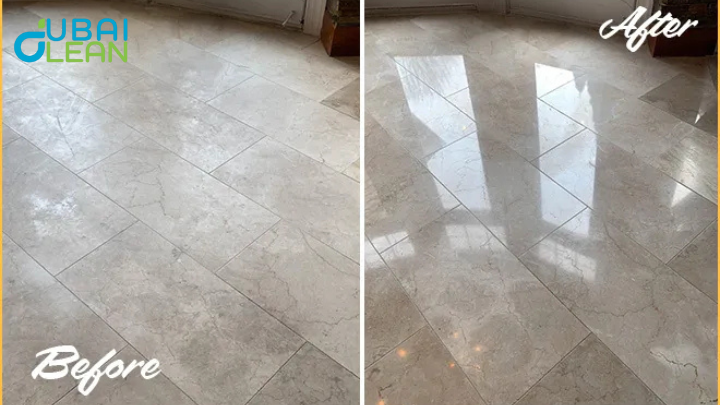
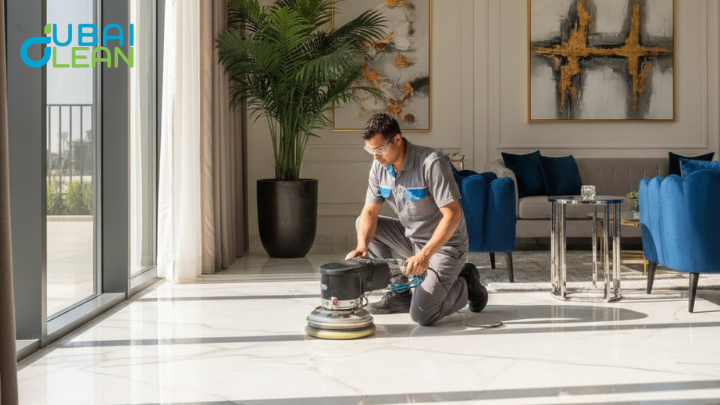
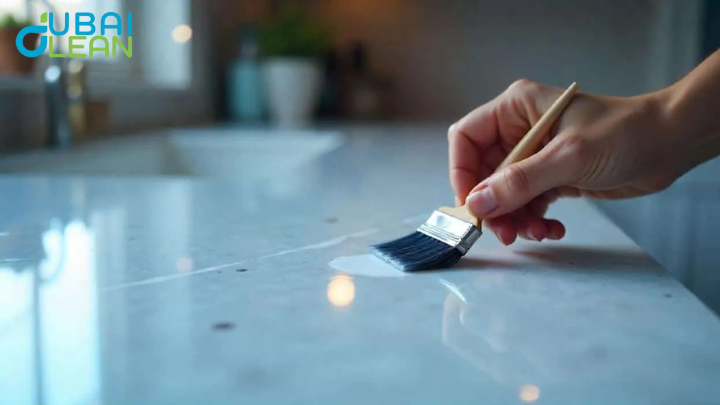
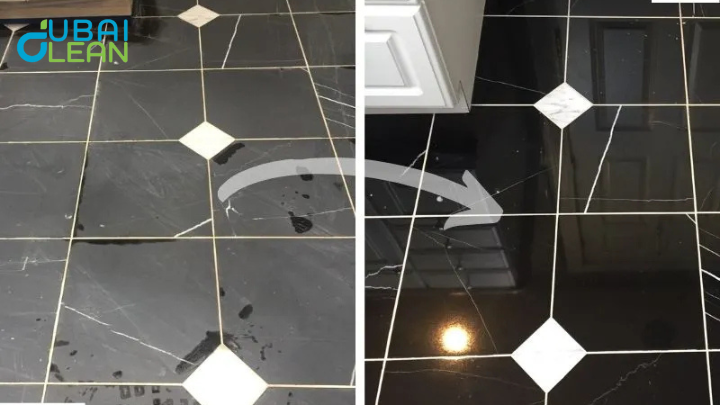
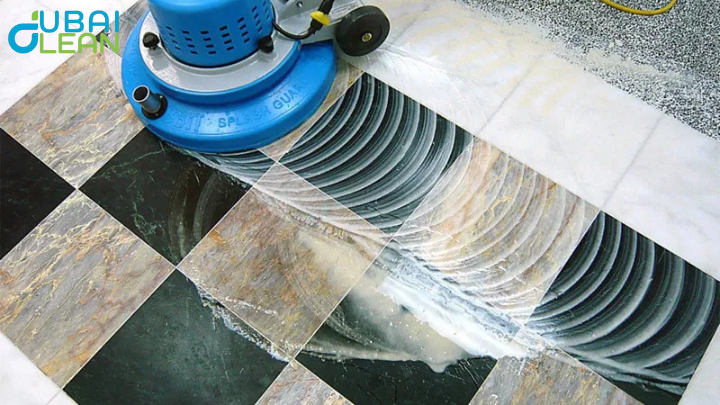
Professional marble polishing does more than enhance shine it restores the stone’s natural grip by creating controlled surface friction without causing damage. It eliminates uneven wear and smooth patches that often make floors dangerously slippery. Polishing balances aesthetic appeal with safety, ensuring that marble surfaces remain both attractive and functional for daily use. Experts also distinguish between safe polishing, which improves traction, and over-glossing, which can make floors slick and hazardous.
| Polishing Benefit | How It Improves Safety | Additional Advantage |
| Restores surface friction | Reduces risk of slips and falls | Preserves natural stone texture |
| Removes uneven wear | Eliminates slick patches | Extends floor lifespan |
| Balances shine and traction | Ensures safe daily walking | Enhances aesthetic appeal |
| Safe vs over-glossing | Prevents overly slippery surfaces | Maintains proper balance between shine and safety |
4. Polishing vs Anti-Slip Coatings What’s Safer Long Term?
When it comes to long-term floor safety, professional marble polishing offers a permanent solution by correcting surface wear and restoring controlled friction. Unlike temporary treatments, polishing addresses the root cause of slipperiness by renewing the marble’s natural texture, rather than just masking the problem with coatings or chemicals. This ensures that the floor remains both attractive and safe for years, even under heavy foot traffic.
Temporary anti-slip coatings, while easy to apply, have several limitations. They can wear off quickly in high-traffic areas, require frequent reapplication, and may alter the marble’s appearance in ways that many property owners find undesirable. In some cases, these coatings can even trap dirt or create uneven surfaces, reducing overall traction instead of improving it.
Professional polishing is often the preferred choice for high-traffic residential and commercial spaces in Dubai. Skilled technicians follow established safety standards, using approved equipment and techniques that restore grip without compromising the stone’s structural integrity. By investing in polishing rather than temporary solutions, property owners achieve a safer, more durable, and visually appealing marble surface that meets both functional and aesthetic needs.
5. Areas Where Slippery Marble Is Most Common
Slippery marble tends to appear in areas where moisture, heavy foot traffic, or frequent cleaning are common. Bathrooms and kitchens are particularly prone due to water spills and wet surfaces, while staircases and entrances face constant movement that wears down friction. Commercial lobbies and hallways experience high daily traffic, increasing the risk of slick spots. Even outdoor marble exposed to rain or humidity can become dangerously slippery if not properly maintained.
- Bathrooms and shower areas with wet floors
- Kitchen floors near sinks and cooking zones
- Staircases in homes or commercial buildings
- Entrance foyers and corridors
- Commercial lobbies in hotels, offices, and malls
- Hallways in schools, hospitals, and public buildings
- Outdoor patios, terraces, and walkways
- Poolside marble surfaces
- Areas exposed to cleaning chemicals or water residue.
Conclusion
In conclusion, professional marble polishing is more than just a way to enhance shine it is a vital solution for improving safety and balance on slippery floors. By restoring surface friction and eliminating slick patches, polishing helps prevent slips, falls, and related injuries, especially in high-traffic areas and homes with children or elderly residents. Proactive care, such as regular inspections and timely polishing, ensures your marble remains both beautiful and safe. For reliable and professional marble polishing services in Dubai, trust DubaiClean to protect your floors and maintain their elegance.