


Water is essential for every home and business, but the tanks we rely on often get overlooked. Over time, they can quietly accumulate sediments, green algae, and harmful microbes. This buildup not only makes the water smell bad but can also pose serious health risks if ignored.
Keeping your tank clean is not just about improving water taste it’s about safeguarding health. Following a regular cleaning schedule ensures the water remains safe and extends the life of your tank. With just a bit of planning, you can prevent problems before they start.
Tank Assessment and Preliminary Cleaning Steps
Detecting Algae, Microbes, and Other Pollutants
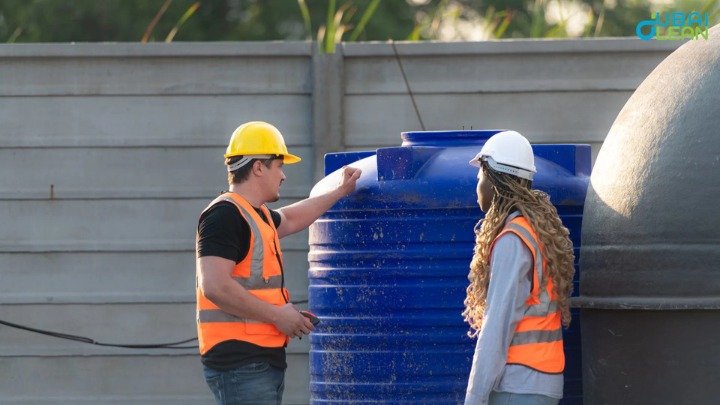
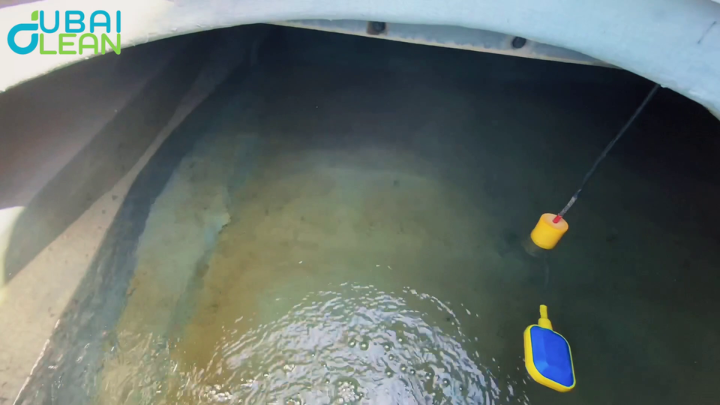
Before water tank cleaning in dubai, carefully inspect the tank to understand its current condition. Look for green algae along the walls, sediment at the bottom, or any insects and debris. These signs indicate the water quality is already compromised and needs prompt attention.
Damage Assessment Before the Cleaning Process
Check for cracks, rust, or loose fittings, as these can let in more dirt and bacteria. Fixing these issues before cleaning ensures better results and prevents recurring problems. Inspections should be done every six months, or more frequently in dusty or rainy environments.
Preparation & Safety Precautions
Turning Off Water and Power as a Safety Procedure
Before starting, switch off the water supply to prevent leaks or overflow during cleaning. If your tank is connected to electric pumps, turn off the power to avoid accidents. This step keeps the process safe for both you and the equipment.
Health Risks and Safety Gear to Wear
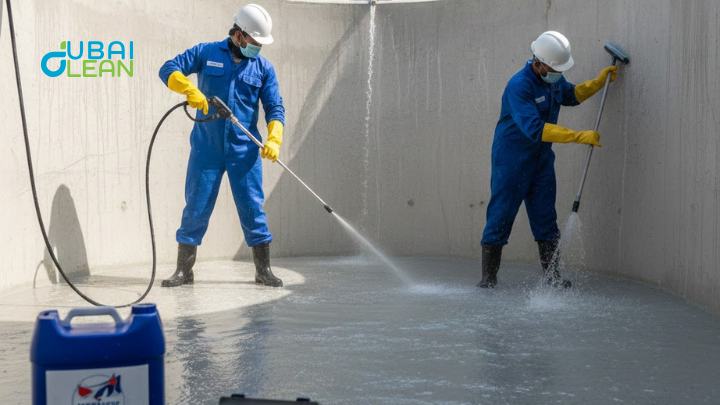
Cleaning involves handling dirt and sometimes strong chemicals, so wear gloves, goggles, and a mask. Protective gear prevents skin irritation and keeps you from breathing harmful fumes. Make sure the cleaning area is clear of unnecessary foot traffic.
Removing All Water Stored in the Tank
Removing Water with a Pump or Valve
Drain all water from the tank using a submersible pump or by opening the drain valve. The goal is to leave the tank as dry as possible before scrubbing begins. A thorough drain makes later cleaning steps faster and more effective.
Maximal Removal of All Dirt by Thorough Scrubbing
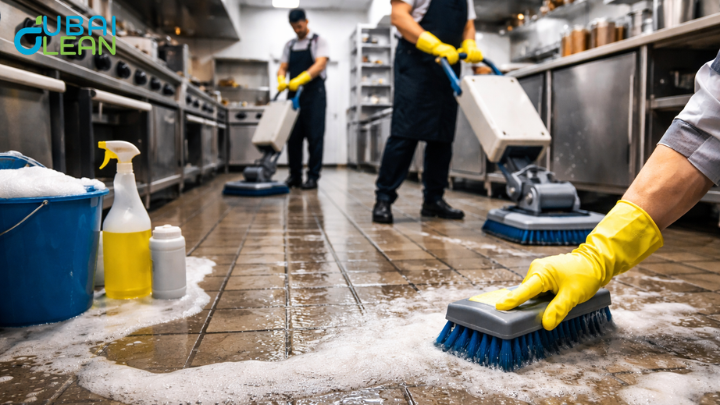
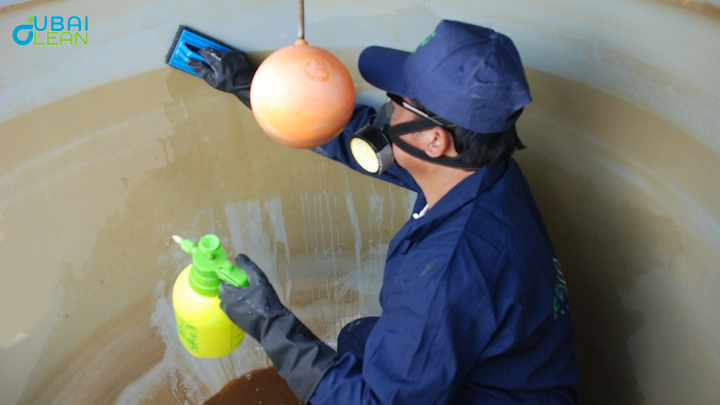
Once empty, scrub all walls and the floor with a long-handled brush or mop. This helps remove visible dirt and loosen any stubborn deposits. Proper scrubbing is the foundation of an effective tank cleaning routine.
Manual Removal of Sludge and Solid Waste Before Disinfection
Thick sludge at the bottom should be scooped out or removed with a wet vacuum. This step eliminates heavy waste before disinfectants are applied. Removing solids first ensures the cleaning solution works more efficiently on germs and algae.
High-Pressure Washer and Its Role in Mechanical Cleaning and Pressure Rinsing
A high-pressure water jet blasts dirt from corners, cracks, and textured surfaces. It’s especially useful for hard-to-reach areas where brushes might fail. Professional cleaners often include pressure rinsing as part of their service, but you can rent or buy smaller units for home use.
Disinfection
Choosing Your Disinfectant After Scrubbing the Tank
Once dirt is removed, apply a disinfectant such as chlorine bleach, hydrogen peroxide, or vinegar solution. Chlorine is fast and effective, peroxide is eco-friendly, and vinegar is safe for food-grade tanks. Choose based on your needs and tank type.
Allowing Enough Time for Disinfectant to Work
Let the disinfectant sit for the recommended contact time to kill bacteria completely. Keep the area ventilated to reduce odors from strong cleaning agents. Proper timing ensures thorough disinfection of every surface.
Here’s a quick overview of disinfectants and their uses:
| Disinfectant Type | Strengths | Drawbacks | Contact Time Needed |
| Chlorine Bleach | Kills most bacteria and viruses quickly | Strong smell, can corrode metal | 30–60 minutes |
| Hydrogen Peroxide | Eco-friendly, no strong odor | More expensive than bleach | 30–45 minutes |
| Vinegar Solution | Safe for food-grade tanks | Less effective on heavy growth | 1–2 hour |
Rinse the Tank Until No Smell or Taste Remains
After disinfecting, rinse the tank several times with fresh water. Keep flushing until there’s no chemical odor or taste left. This ensures the water will be safe and pleasant to use after refilling.
Rinse, Final Check & Drying
Post Tank Cleaning Inspection
Once rinsed, check for any spots still holding dirt or cleaning agents. Dry the tank completely if possible, as moisture can promote algae growth. A final inspection guarantees your effort delivers the clean water you expect.
Required Tools & Equipment
For a thorough cleaning, have ready a long-handled mop or scrub brush, buckets or a submersible pump, safety gear, a high-pressure water jet, and a disinfectant with a measuring cup. Having the right tools ensures the process is smoother and more efficient.
Cleaning Schedule and Maintenance Practices
Best Schedule for Tank Cleaning
For most homes, clean your water tank every 6–12 months to maintain water quality. In dusty, windy, or high-rainfall areas, shorten this to every 3–6 months for the best results.
Simple Practices to Preserve a Tank’s Cleanliness for a Longer Period
Keep your tank sealed with a sturdy lid, use an inlet filter to trap debris, and position it in a shaded area to reduce algae growth. These small habits can greatly extend the time between full cleanings.
When to Call in Professionals
Making the Call to Clean Up Yourself or to Hire an Expert
Small tanks can often be cleaned on your own, but large or heavily contaminated ones are best left to experts. Professional water tank cleaning company work faster, have specialized tools, and can issue cleaning certificates for health compliance.
Final Thoughts
Keeping your water tank clean is about more than crossing off a chore; it’s a safeguard for your family’s health. Even a tightly sealed tank can accumulate dirt, algae, and harmful microbes over time. Regular cleaning by dubaiclean helps you avoid waterborne illnesses and keeps your water fresh.
Whether you prefer doing it yourself or hiring professionals, the key is consistency. Clean water means better-tasting food and drinks, healthier living, and peace of mind. Make tank cleaning a habit, and enjoy pure water every day.