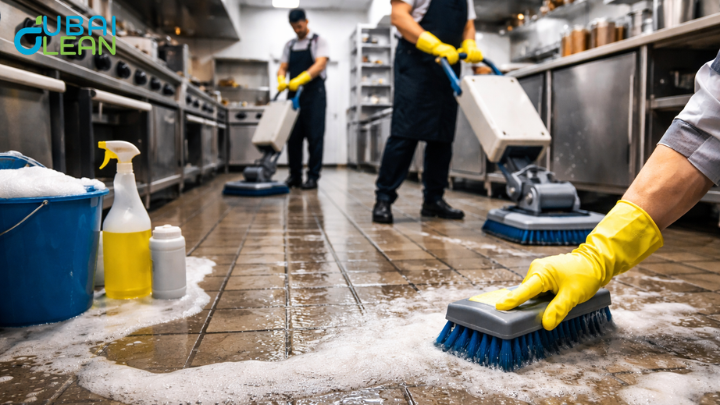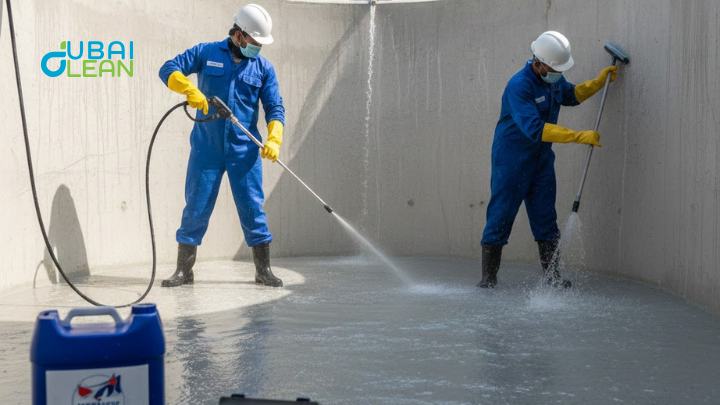



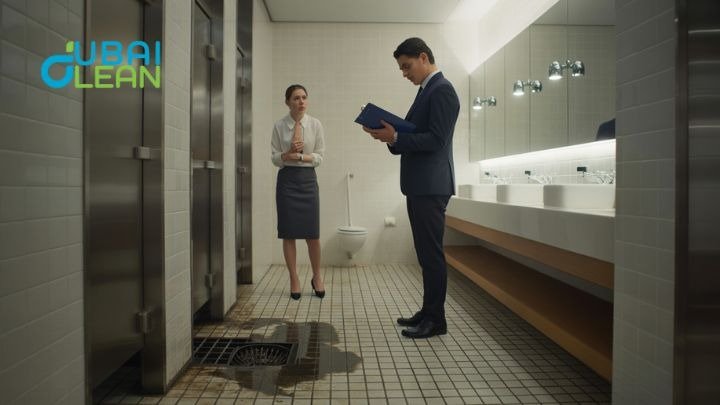
In Dubai’s restaurant industry, washroom sanitation is a critical inspection area, as high use and moisture make them prone to odors and bacterial buildup. Poor sanitation not only risks regulatory warnings and fines under strict municipal standards but also damages reputation, as diners, especially families and tourists, expect clean, odor-free facilities. Failing to maintain washroom hygiene can erode customer trust, lead to negative reviews, and reduce repeat visits, making it essential for both compliance and business success.
1. Understanding Dubai’s Restaurant Hygiene Expectations
Dubai Municipality enforces strict hygiene standards for all restaurants to ensure public health and safety. During inspections, washrooms are considered high-risk zones because they are constantly used, remain moist for long periods, and can harbor bacteria, mold, and other contaminants if not properly maintained.
Inspectors focus on more than just visible dirt. Key evaluation points include:
- Odor control: Persistent or strong smells indicate poor sanitation and bacterial buildup.
- Cleanliness: Surfaces such as sinks, toilets, urinals, floors, and walls must be thoroughly cleaned.
- Disinfection: High-touch areas like door handles, faucets, and flush handles must be disinfected to prevent cross-contamination.
- Maintenance: Functional drains, proper ventilation, and well-maintained fixtures are essential to prevent hygiene hazards.
A washroom that fails in any of these areas can lead to inspection warnings, fines, or operational restrictions. Restaurants in Dubai must maintain consistent, high-level sanitation to comply with regulations and protect both public health and their reputation.
2. How Poor Washroom Sanitation Leads to Fines and Violations
In Dubai, poor washroom sanitation is a serious compliance issue for restaurants. Problems such as persistent odors, dirty fixtures, stained tiles, clogged drains, and bacterial buildup are considered red flags by municipal inspectors. These issues indicate that hygiene standards are not being adequately maintained, which can trigger a series of regulatory actions:
- Inspection Warnings: Inspectors may issue warnings if washrooms show signs of poor sanitation, requiring the restaurant to address the issues promptly.
- Fines: Continued non-compliance or repeated sanitation problems can lead to financial penalties imposed by Dubai Municipality.
- Mandatory Corrective Actions: Restaurants may be required to implement specific cleaning, maintenance, or deep sanitation measures to meet hygiene standards.
- Temporary Closure Risks: In severe cases where sanitation issues pose a direct public health risk, authorities may temporarily suspend operations until the restaurant meets compliance standards.
Maintaining clean and well-sanitized washrooms is therefore critical not only for customer experience but also for legal compliance, helping restaurants avoid disruptions, penalties, and reputational damage.
3. Why Washroom Odors Are Treated as a Hygiene Red Flag
Washroom odors in restaurants are more than just unpleasant, they signal underlying sanitation problems. Persistent smells often indicate hidden bacterial growth, sewage gas buildup, or inadequate cleaning beneath surfaces such as drains, tiles, and plumbing fixtures. Even when visible areas appear clean, these hidden issues can compromise overall hygiene.
Both inspectors and customers view noticeable odors as a sign of poor sanitation. For inspectors, odors suggest bacterial or waste buildup, raising compliance concerns, while for customers, unpleasant smells immediately affect perceptions of cleanliness and food safety, influencing reviews, repeat visits, and overall trust. Managing and eliminating washroom odors is therefore essential for regulatory compliance and maintaining a positive customer experience in Dubai’s competitive restaurant environment.
4. Why Daily Staff Cleaning Is Often Not Enough
Daily cleaning maintains basic hygiene but often misses hidden problem areas where bacteria, grime, and odors accumulate, requiring professional deep sanitation for complete washroom safety and compliance.
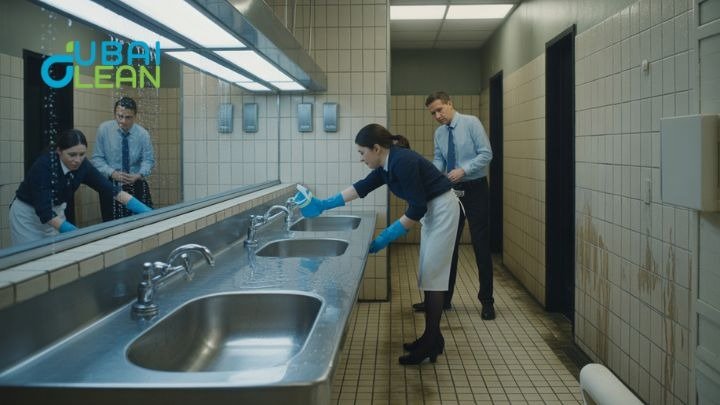
Routine Cleaning vs. Deep Sanitation
Understanding the difference between routine cleaning and professional deep sanitation is essential, as daily staff efforts often maintain appearance but cannot fully eliminate hidden bacteria, odors, and hygiene risks in restaurant washrooms.
| Aspect | Routine Cleaning | Professional Deep Sanitation |
| Purpose | Maintains a basic level of hygiene | Addresses deeper sanitation issues and compliance risks |
| Methods | Wiping visible surfaces, emptying trash bins, mopping floors | Uses specialized equipment, disinfectants, and techniques for hard-to-reach areas |
| Effectiveness | Keeps washroom looking presentable | Eliminates odors and hidden contaminants that routine cleaning misses |
| Coverage | Visible areas only | Includes hidden zones where bacteria and grime accumulate |
| Outcome | Temporary cleanliness | Long-term hygiene, odor control, and compliance |
Critical Areas Often Missed by Daily Cleaning
Daily cleaning frequently overlooks high-risk zones that are prone to bacterial buildup and odor development. These include floor drains, which trap moisture and debris; grout lines, which are porous and harbor mold and stains; behind toilet fixtures, where grime can accumulate in hidden corners; and ventilation areas, such as air ducts and vents, which can spread odors if not cleaned properly. Neglecting these areas can compromise overall hygiene despite regular staff cleaning efforts.
Why Understanding the Gap Matters
Highlighting the difference between routine cleaning and professional deep sanitation is not about blaming staff but educating restaurant owners and managers. Recognizing these gaps allows for informed decisions regarding professional washroom deep cleaning, ensuring compliance with Dubai’s municipal regulations, controlling odors, and maintaining a positive experience for customers. Proper deep sanitation protects both the restaurant’s reputation and the health of its patrons.
5. Customer Impact: How Washroom Hygiene Affects Restaurant Reputation
Washroom Hygiene Shapes Customer Perception: Clean washrooms are a key factor in how diners judge a restaurant in Dubai. Poor sanitation can immediately affect customer impressions and overall trust.
Impact on Online Reputation: Dirty or odorous washrooms often lead to negative reviews on platforms like Google and Talabat, harming the restaurant’s online presence.
Loss of Repeat Customers: Customers who encounter unhygienic washrooms may avoid returning, directly reducing repeat business and long-term revenue.
Trust Among Sensitive Audiences: Families, tourists, and business clients are particularly conscious of hygiene, and unclean washrooms can erode confidence in food safety and professionalism.
Reflection of Operational Standards: In Dubai’s competitive dining market, washroom cleanliness signals overall operational quality, influencing perceptions of safety, reliability, and service excellence.
6. Health and Safety Concerns Linked to Unsanitary Washrooms
Unsanitary washrooms pose significant health and safety risks that go beyond unpleasant odors or visible dirt. Surfaces that are not properly cleaned can become breeding grounds for bacteria, allowing germs to transfer from sinks, door handles, and other high-touch areas to hands, increasing the risk of contamination.
Cross-contamination and poor maintenance can compromise overall hygiene, while trapped moisture or sewage gases can create unpleasant air quality, affecting both staff and customers. Ensuring proper washroom sanitation is essential for maintaining a safe, clean, and trustworthy environment, protecting public safety, and reinforcing customer confidence.
7. Conclusion
Maintaining proper washroom sanitation is essential for restaurants in Dubai for several critical reasons. First, it ensures legal compliance with Dubai Municipality hygiene standards, helping to avoid fines, inspection warnings, or operational disruptions. Second, it builds customer trust, as diners, especially families, tourists, and business clients expect clean and odor-free facilities as part of their overall dining experience. Finally, it supports business continuity, preventing reputational damage and encouraging repeat visits.
By proactively addressing washroom hygiene through regular deep cleaning and proper maintenance, restaurant owners can prevent issues before they escalate, safeguard public health, and maintain a positive, professional image. In Dubai’s competitive restaurant market, prevention is always more effective than reaction.